Huishi Huishi

Custom Conveyor belt used for conveying lightweight products Manufacturer, Manufacturers

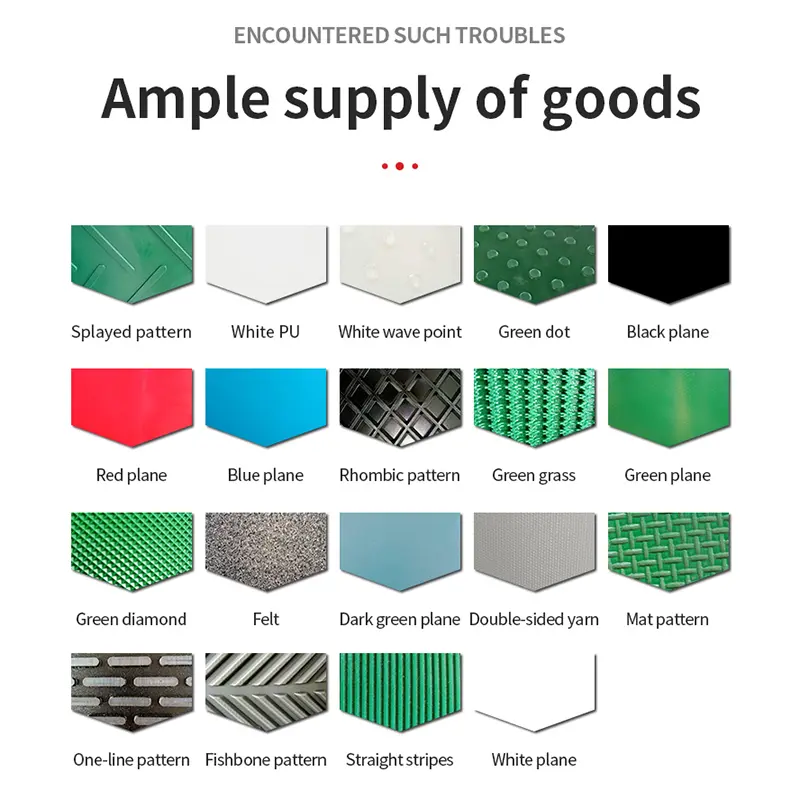
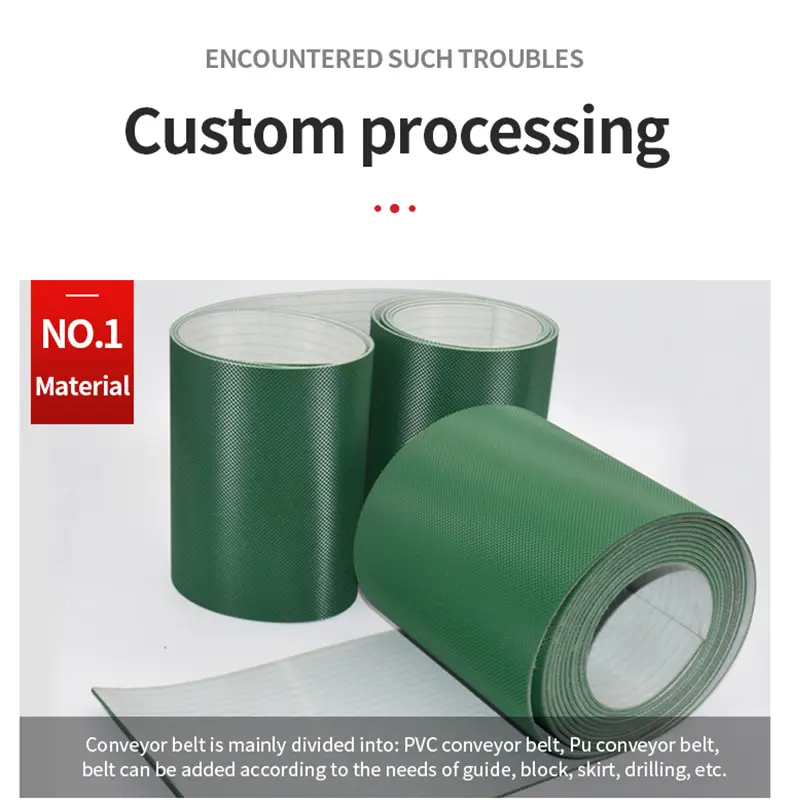
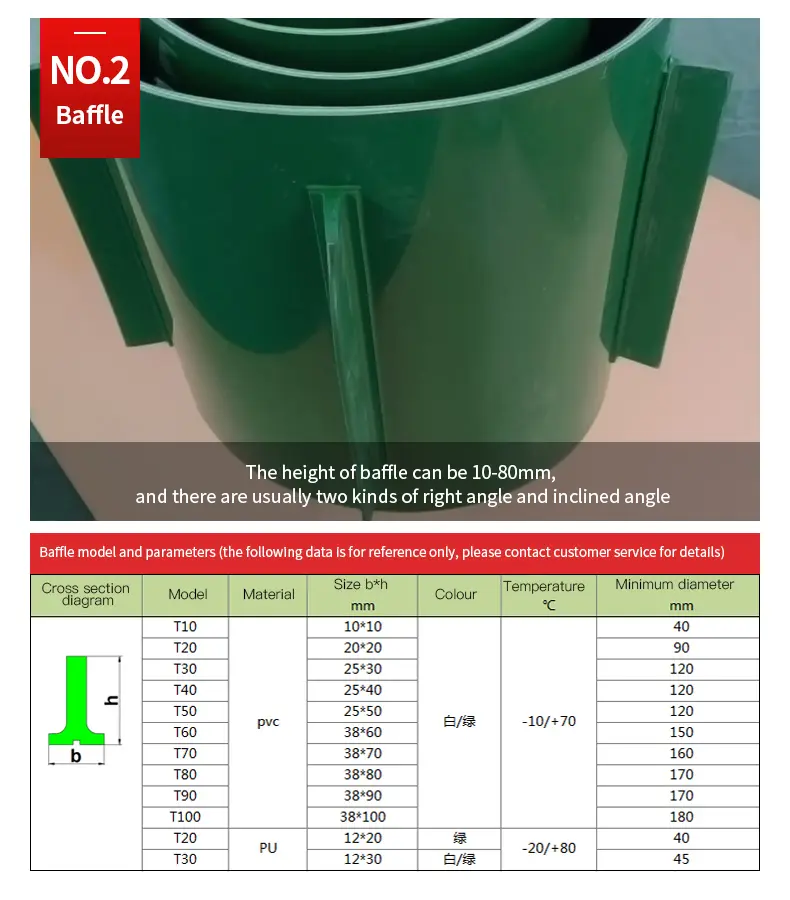
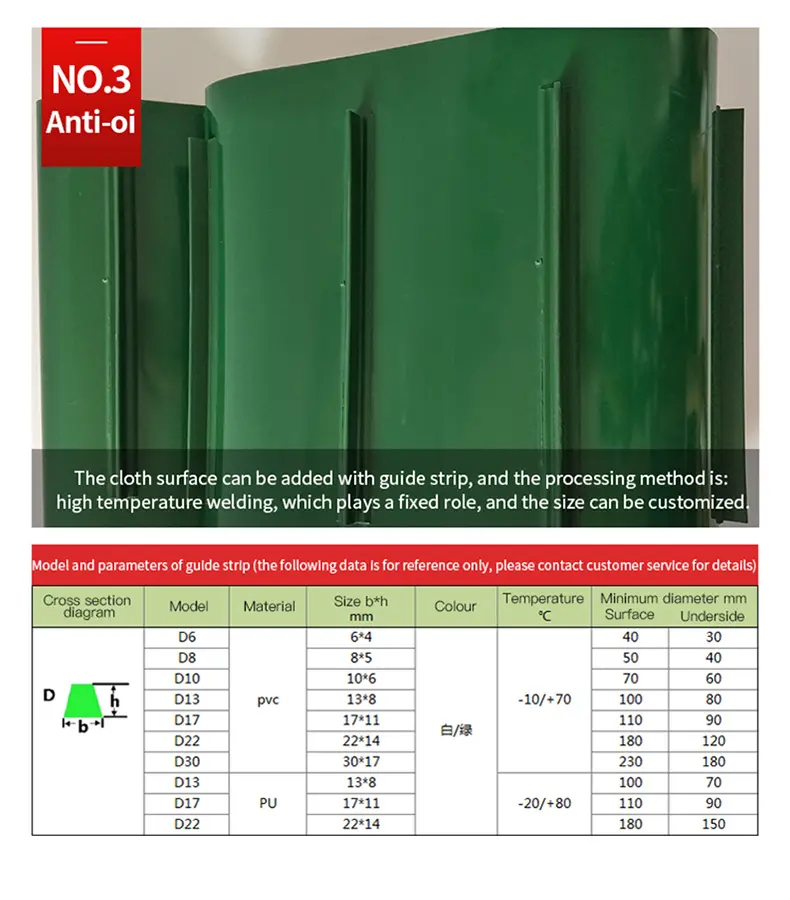
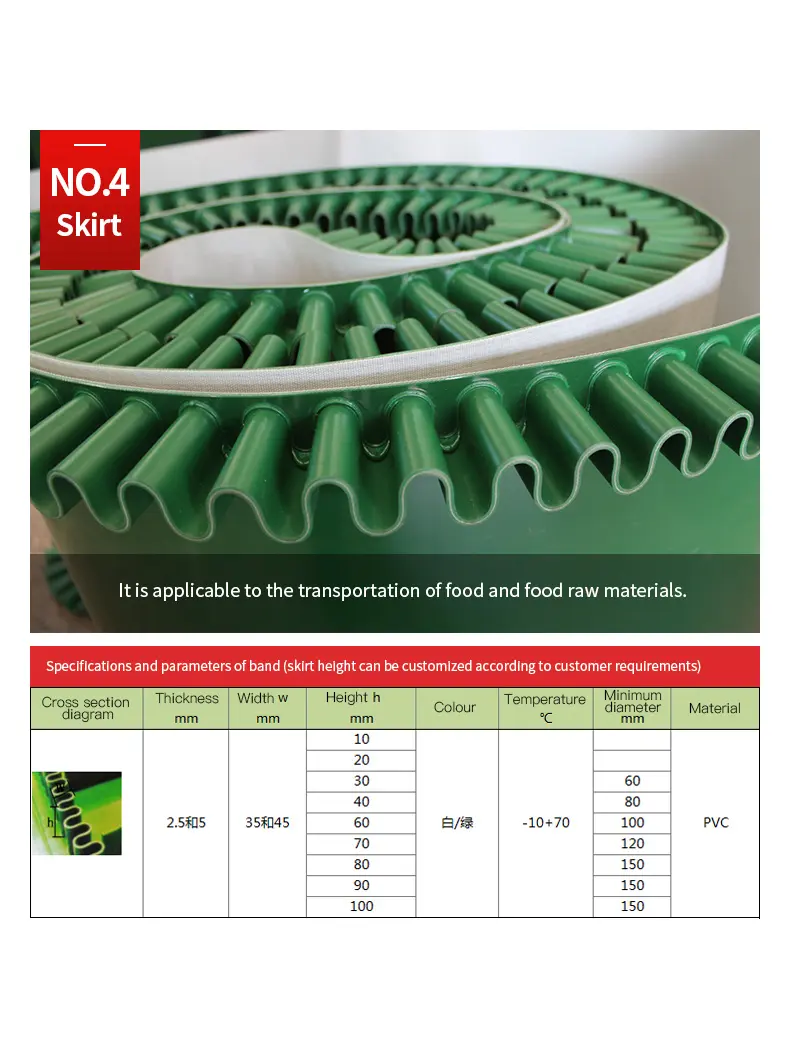
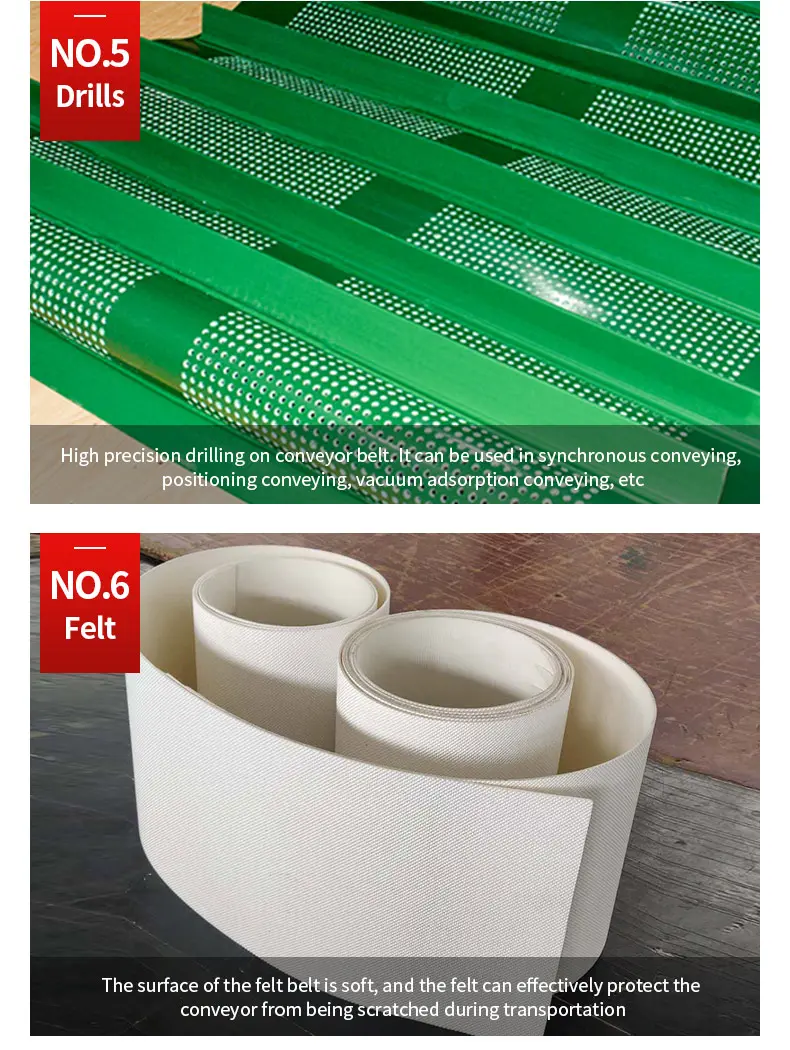
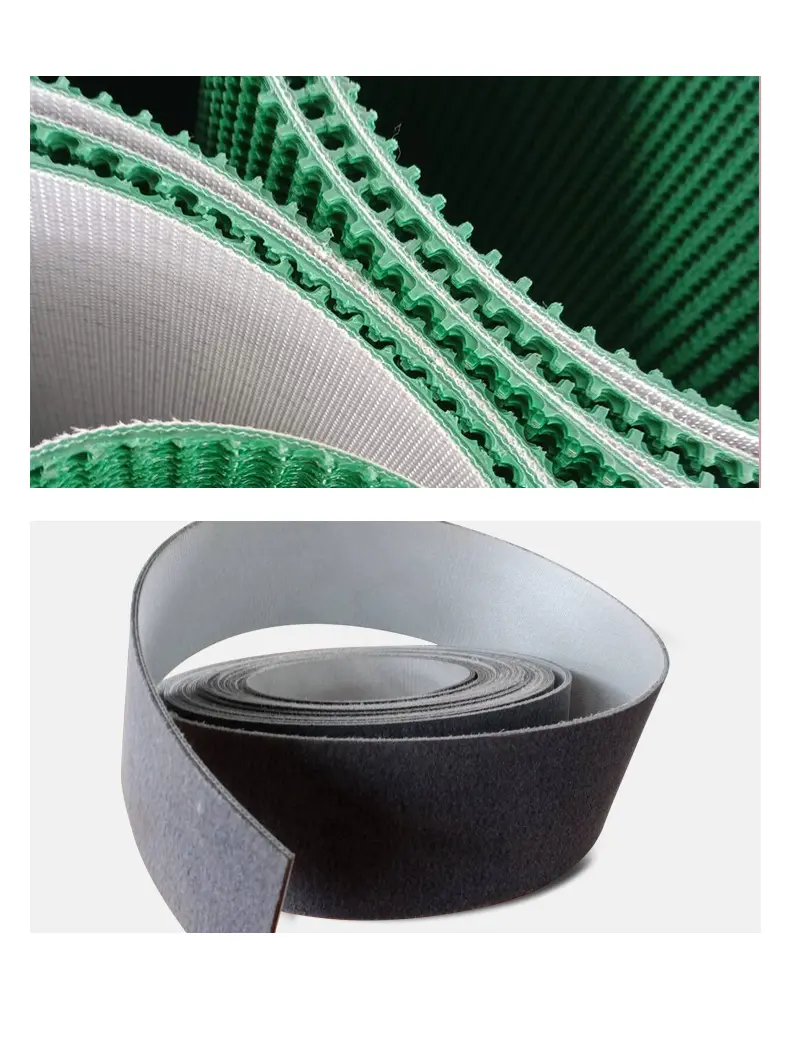
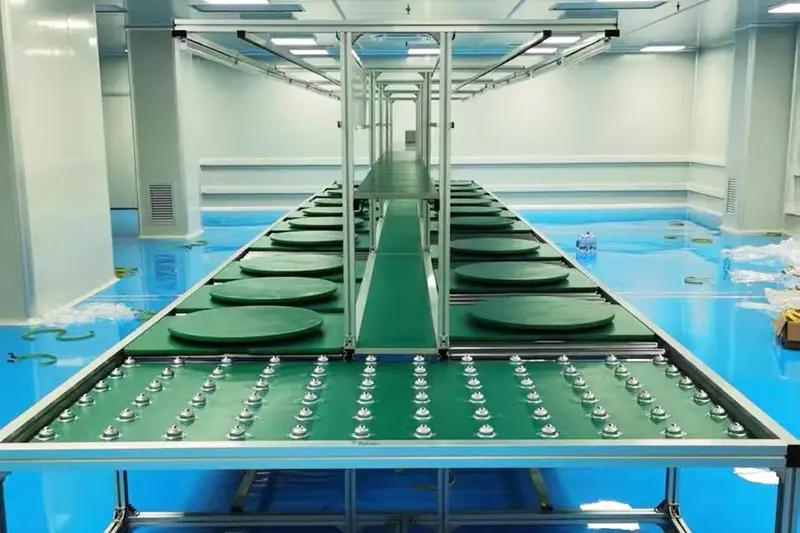
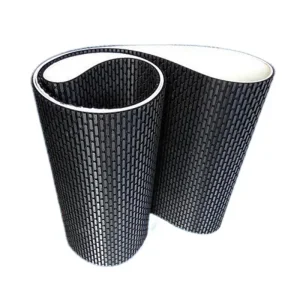
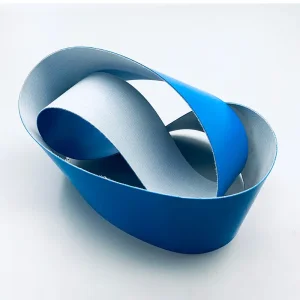
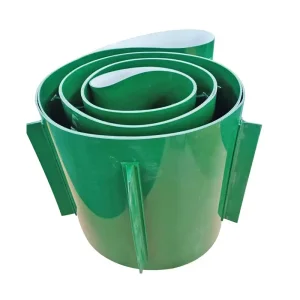
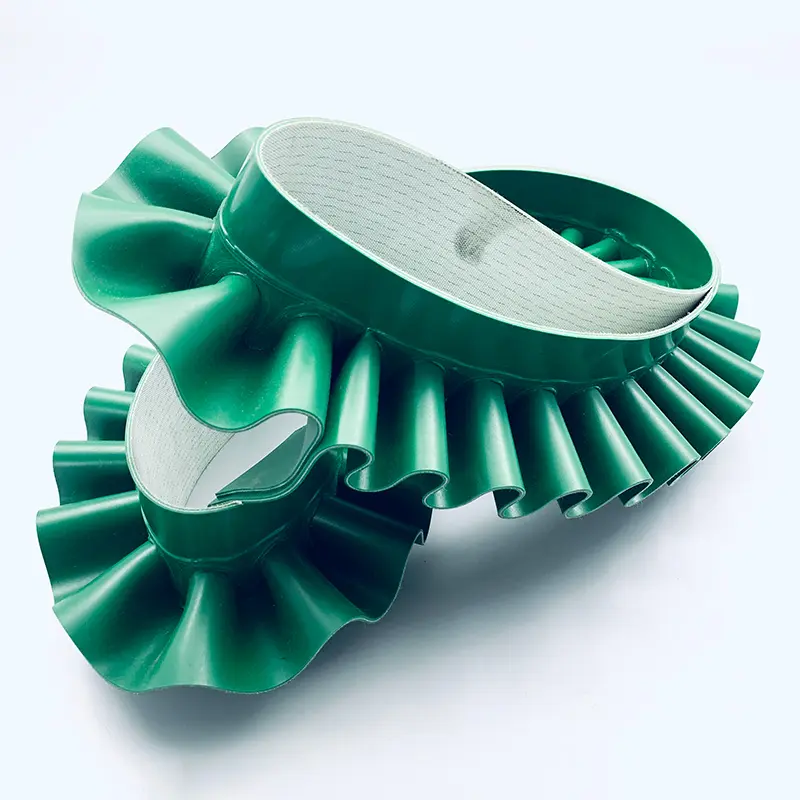
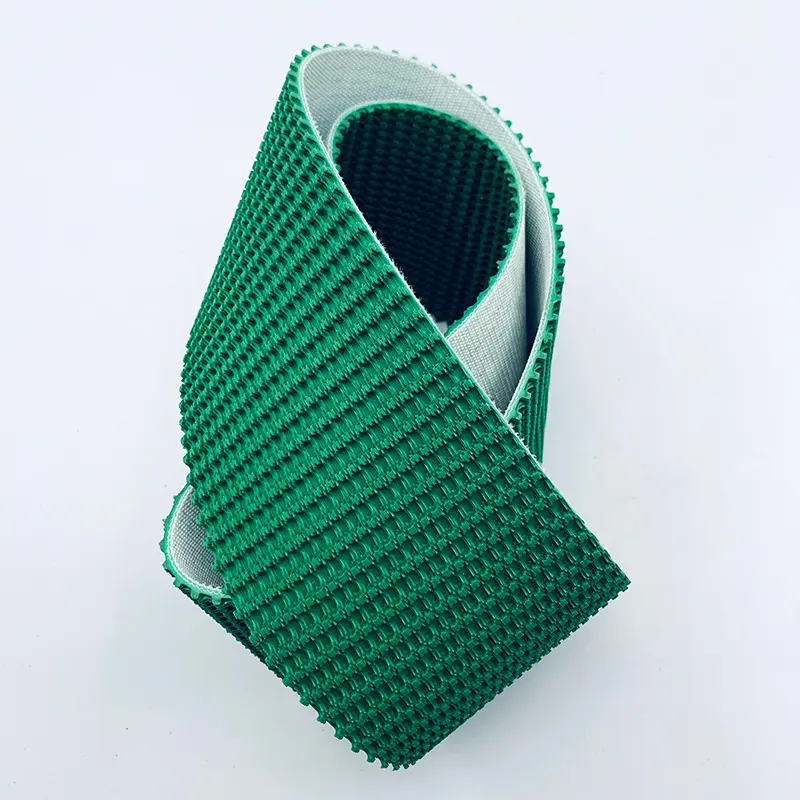
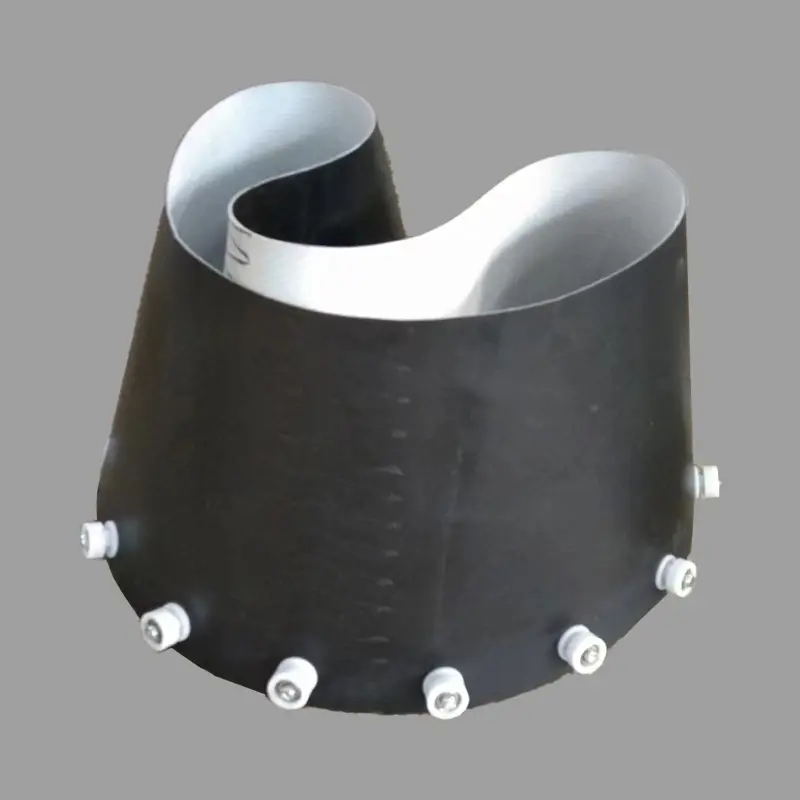
Conveyor belt for non-standard custom products, can be customized according to requirements, often can add conducting bar, add baffle, custom decorative pattern and so on,  the specific size is as follows:
Thickness Color
1mm Green/white
2mm Green/white
3mm Green/white
4mm Green/white
5mm Green/white
6mm Green/white
0.8mm whitePU
1.2mm whitePU
1.5mm whitePU

Product Description

Conveyor Belt Details

Definition and Purpose

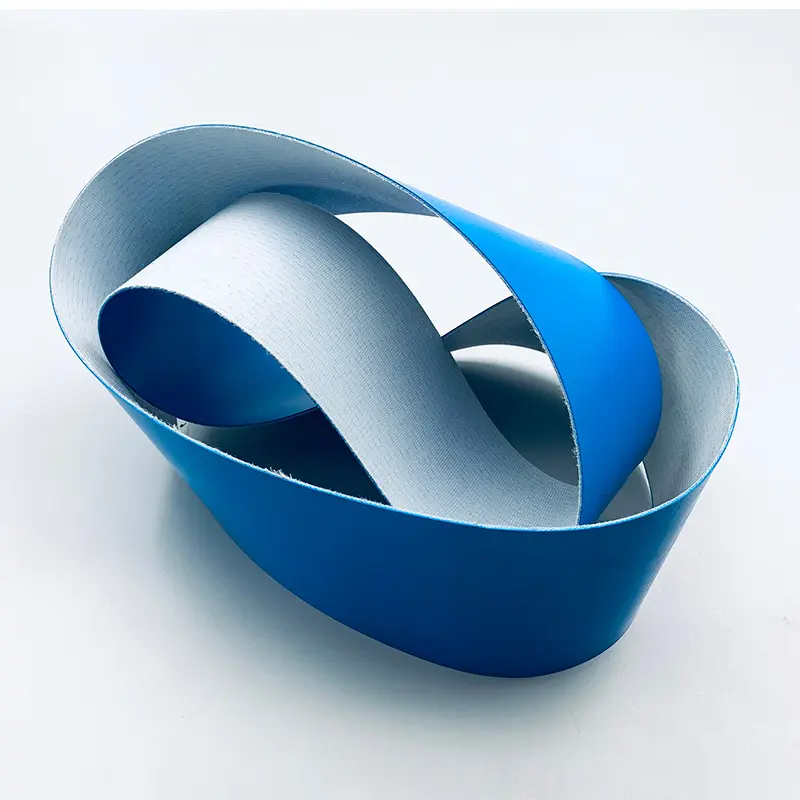
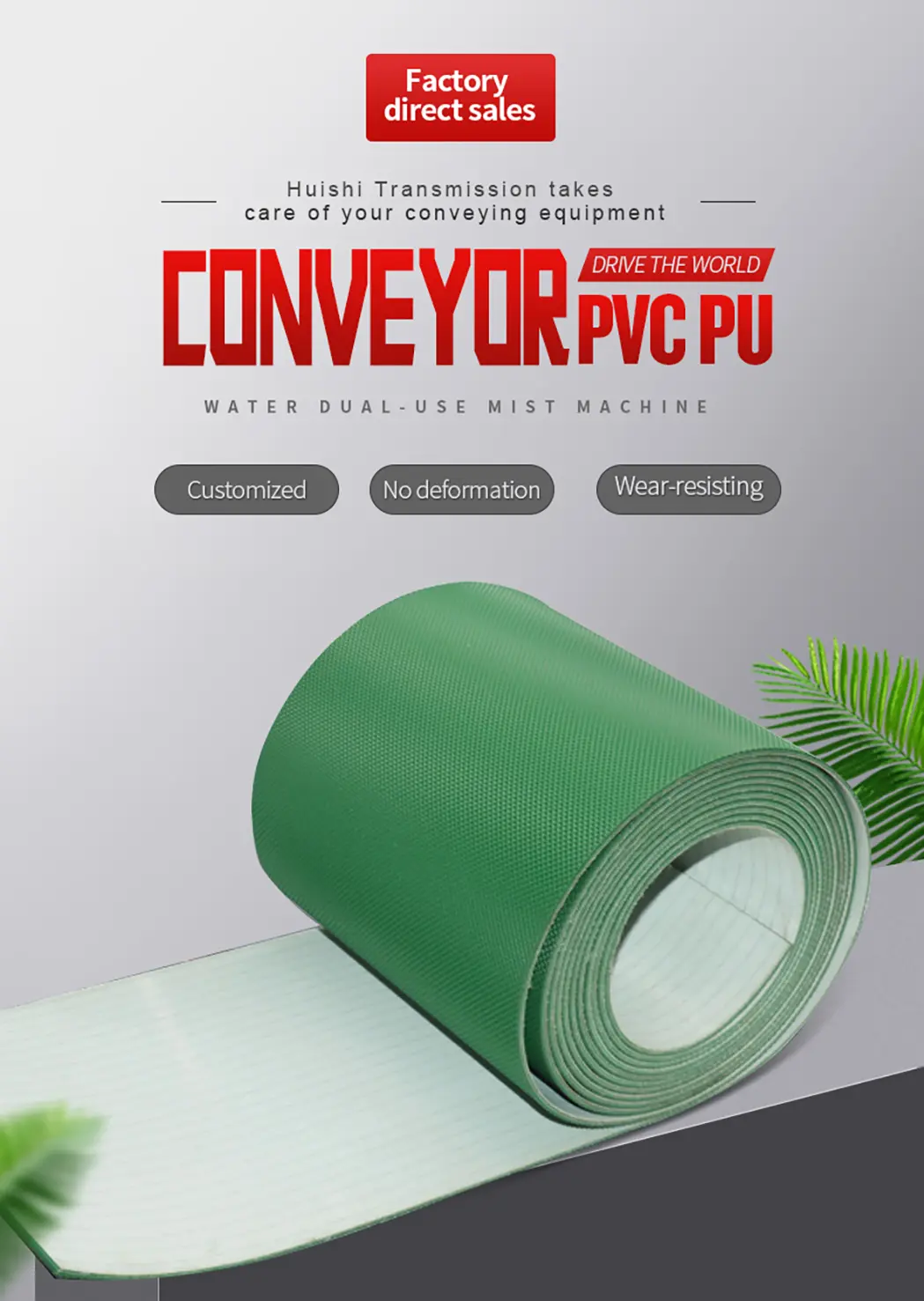
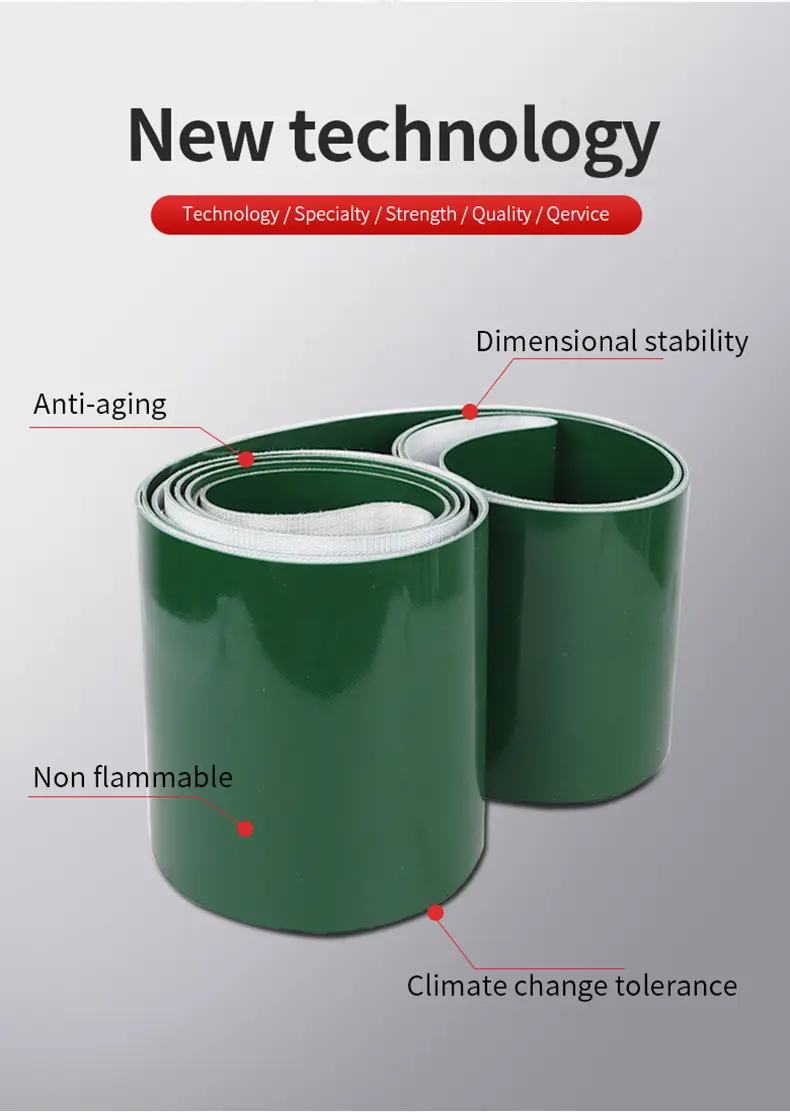
Lightweight conveyor belts are mainly used for transporting lightweight materials or small batch production, and are suitable for industries such as food, pharmaceuticals, electronics, tobacco, printing, packaging, and textiles. Its characteristics are thin, soft, light, good elasticity, low elongation, stable operation, long service life, large conveying span, high speed, etc.

conveyor-belts-04
conveyor-belts-03
Material and Structure

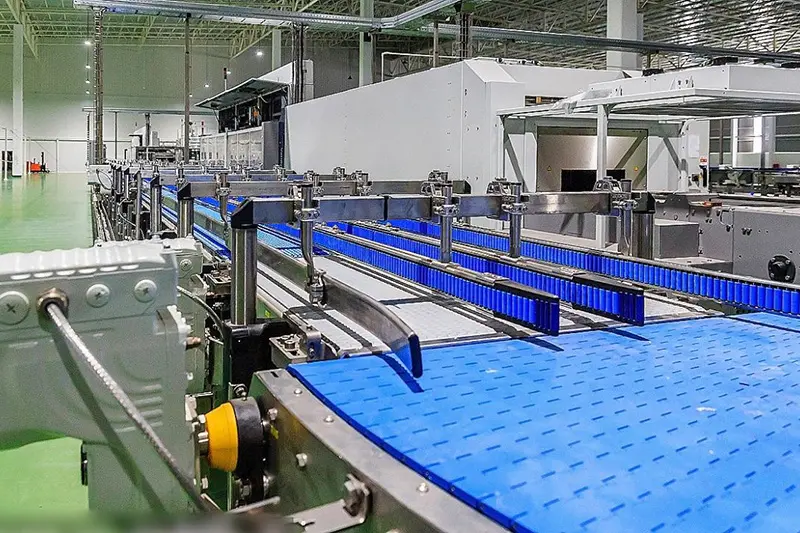
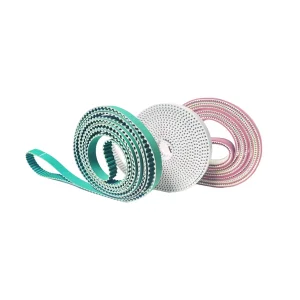
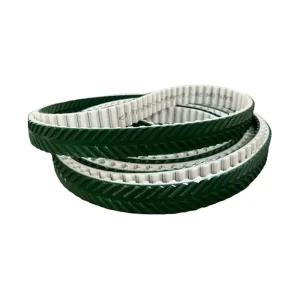
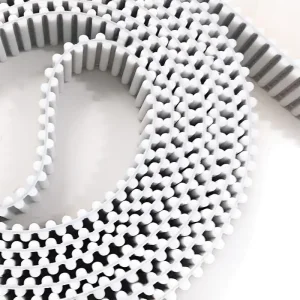
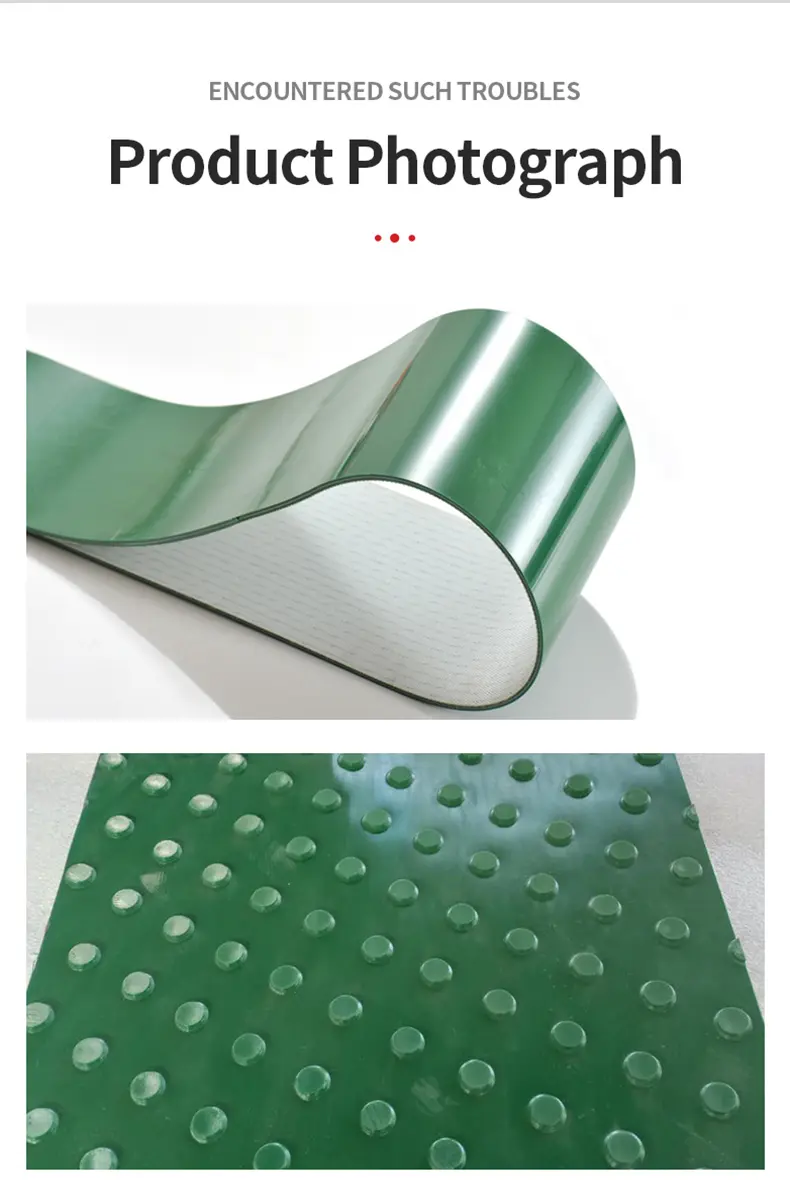
The surface material of lightweight conveyor belts is usually PVC or PU material, with a smooth or specific patterned surface. The strong layer is composed of fabrics made of different materials, and the bottom design affects its noise resistance, wear resistance, and adaptability to the supporting structure.

conveyor-belts-02
conveyor-belts-01
Installation and Maintenance

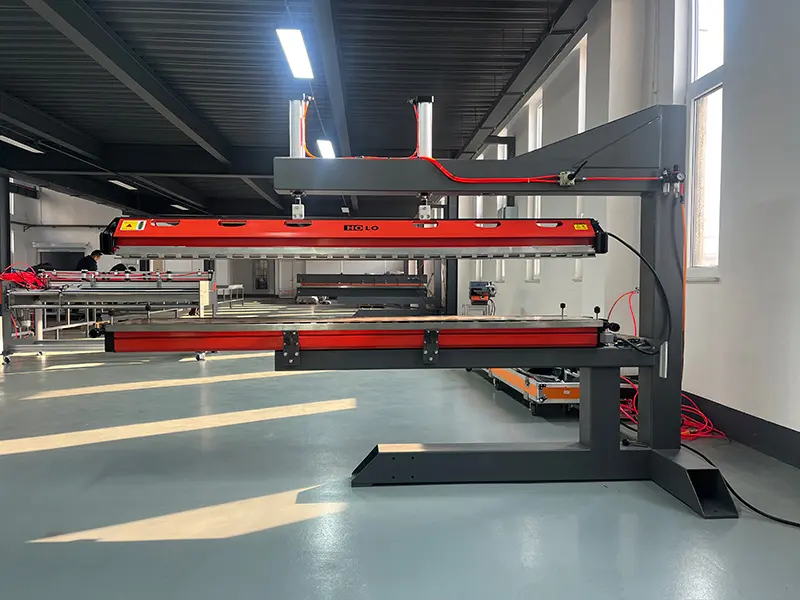
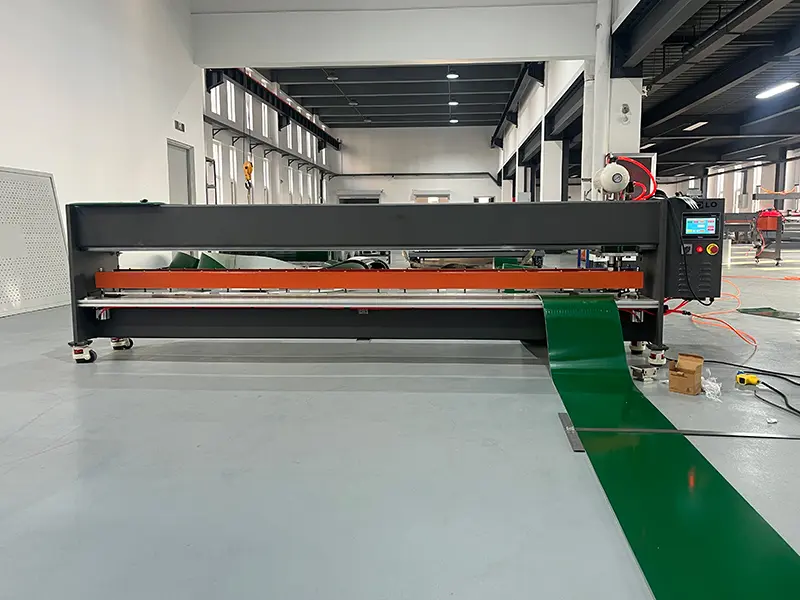
The installation of lightweight conveyor belts is relatively simple and suitable for both overhead and ground layout. During installation, it is necessary to ensure that the head and tail wheels and the driving device are firmly fixed to avoid shaking during operation. In terms of maintenance, regularly check the tension and wear of the conveyor belt, adjust and replace damaged parts in a timely manner, and ensure its long-term stable operation.
Description-01
Description (2)
Description (1)
Description-4
Description-5
Description-6
Description-7
Description-8
Description-9
Description-10
Description-11
Description-12
Description-13

Industry Applications of Conveyor Belts

A conveyor belt is a mechanical device that continuously transports materials and achieves automated handling through cyclic motion. It has the advantages of high efficiency, energy saving, reducing human dependence, and adapting to complex environments such as high temperatures and corrosive environments.

application-1
application-2
Efficiency and Adaptability

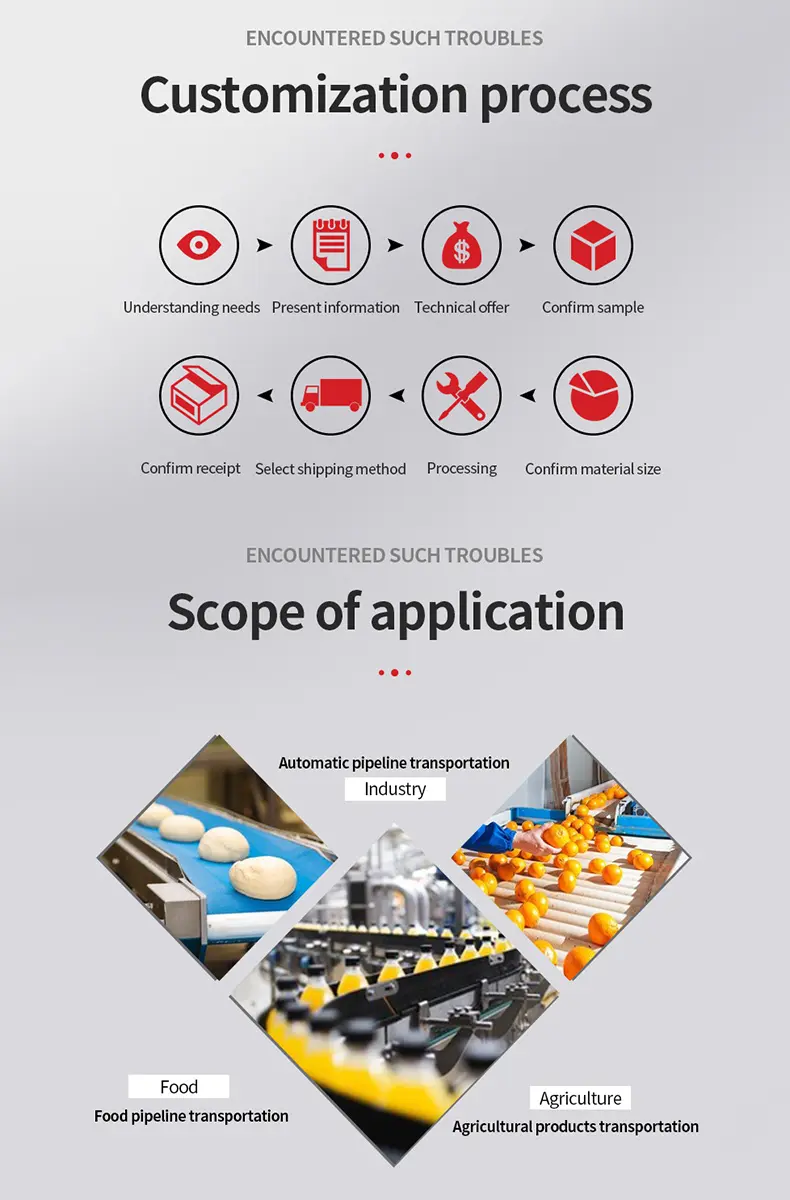
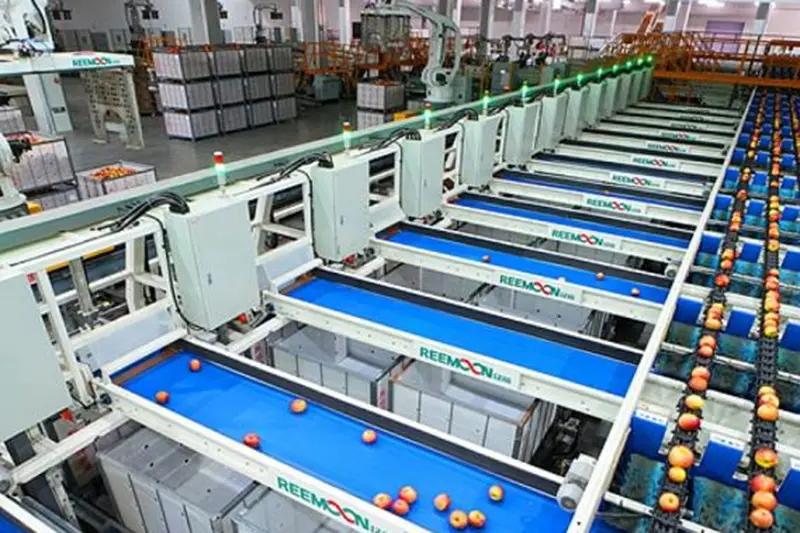
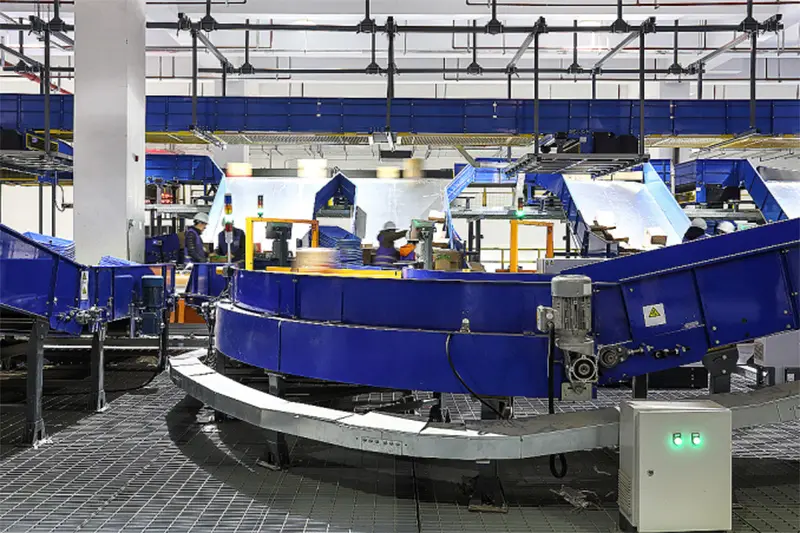
Mainly used in express sorting centers, e-commerce warehouses, port container loading and unloading, food grade materials (such as PU, silicone), easy to clean design, collaborating with robots to complete welding, spraying, assembly, grain drying lines, fruit and vegetable cleaning and sorting, livestock feed delivery and other industries.

application-3
application-4
Advanced Technology Integration

Specialized customization can be carried out, combined with 5G and digital twin technology, to promote the development of "unmanned factories".

application-5
application-6
Conveyor-belt-type-classification-(1)
Conveyor-belt-type-classification-(2)
Frequently Asked Questions
What industries are lightweight conveyor belts suitable for?
They are ideal for food, pharmaceuticals, electronics, tobacco, printing, packaging, and textile industries due to their soft and flexible nature.
What materials are used for the belt surface?
Surface materials are typically PVC or PU, offering smooth or patterned finishes depending on the application requirements.
What are the main advantages of using these conveyor systems?
Key benefits include high efficiency, energy saving, reduced labor dependence, and the ability to operate in complex or corrosive environments.
How should the conveyor belt be maintained?
Regular inspections of tension and wear are essential. Adjusting or replacing damaged components promptly ensures long-term stable operation.
Can these belts be used in automated "unmanned factories"?
Yes, they can be customized and integrated with 5G and digital twin technology to support fully automated and robotic production lines.

Related Products