Huishi Huishi

High-Quality Synchronous belt Suppliers, Factories

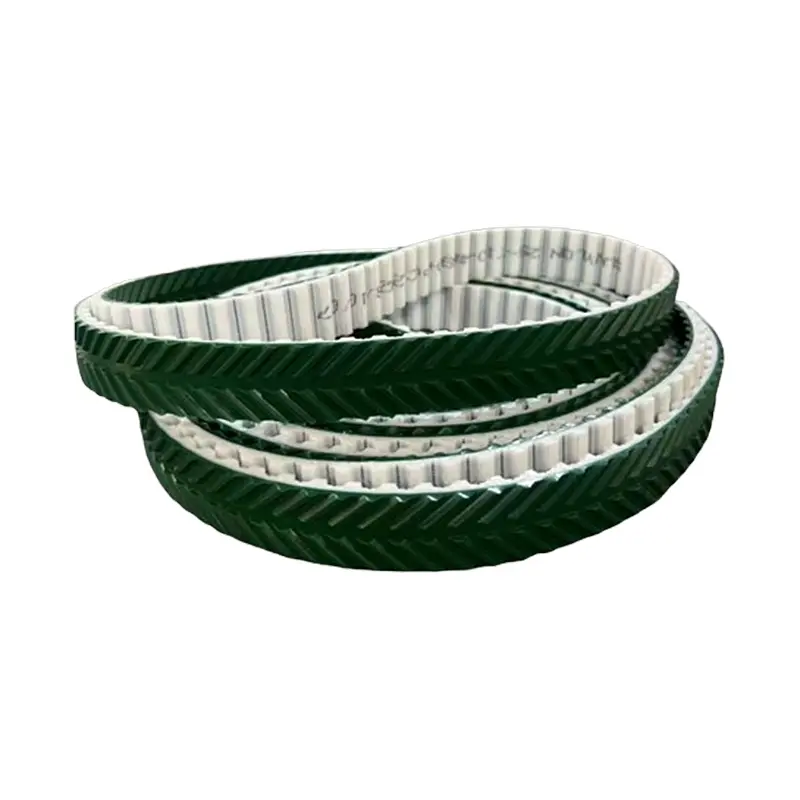
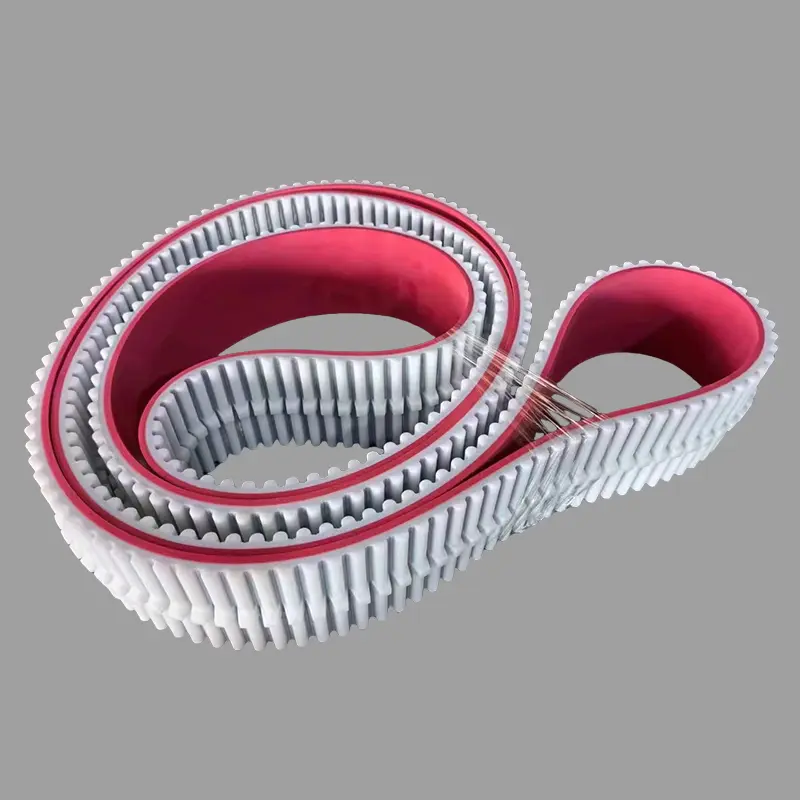
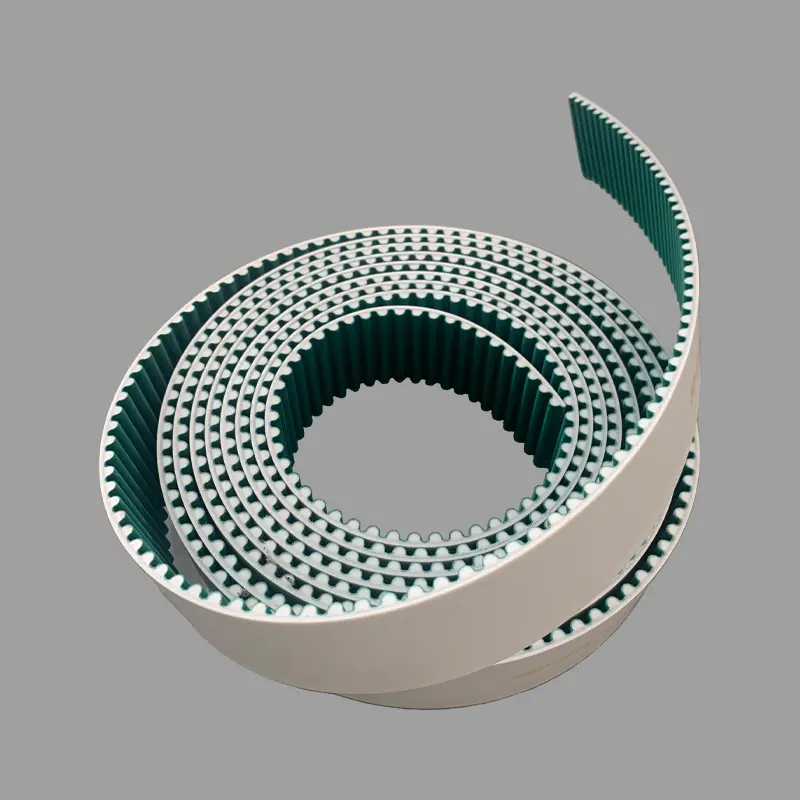
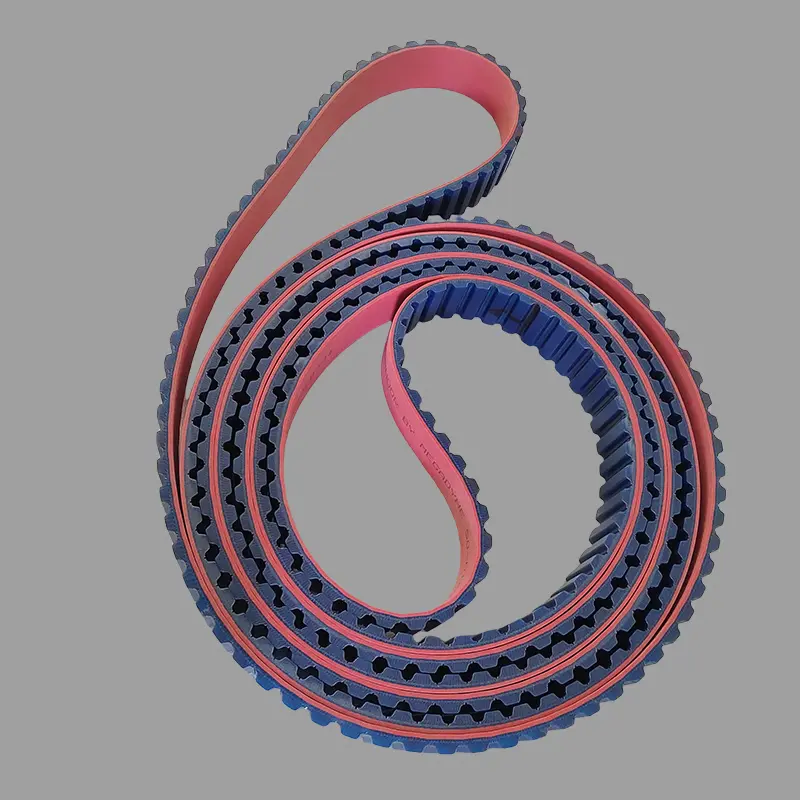
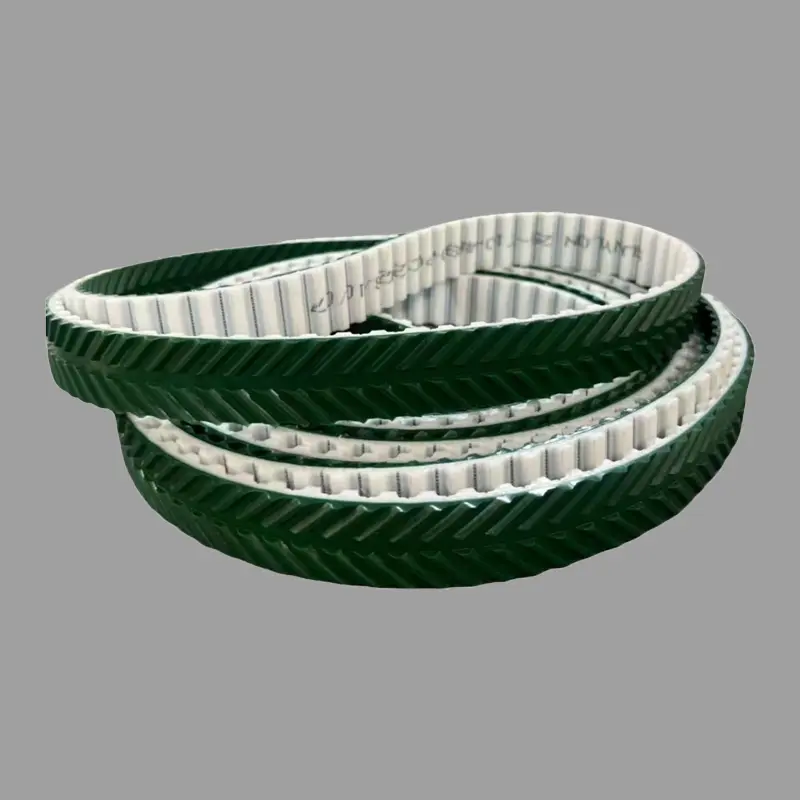
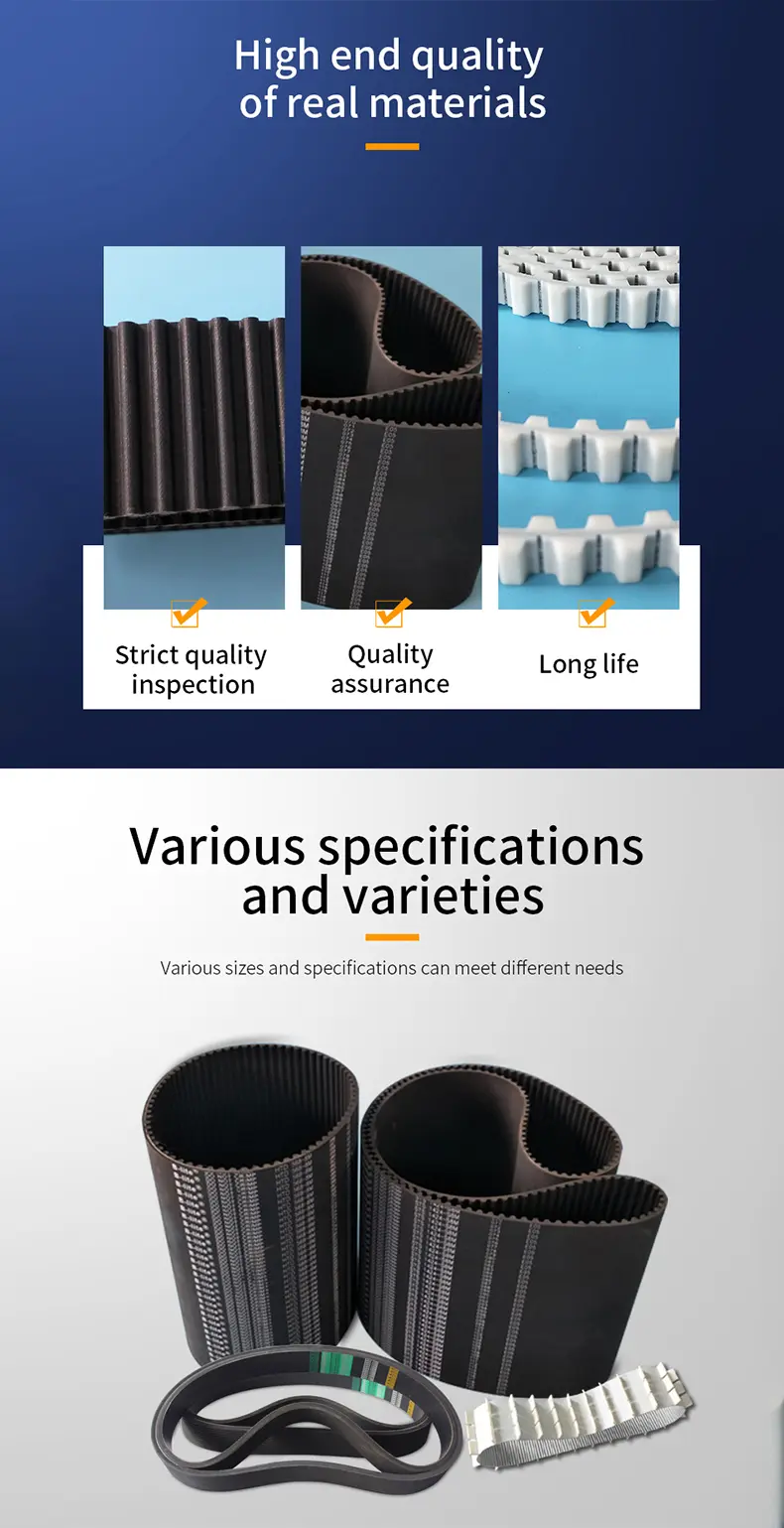
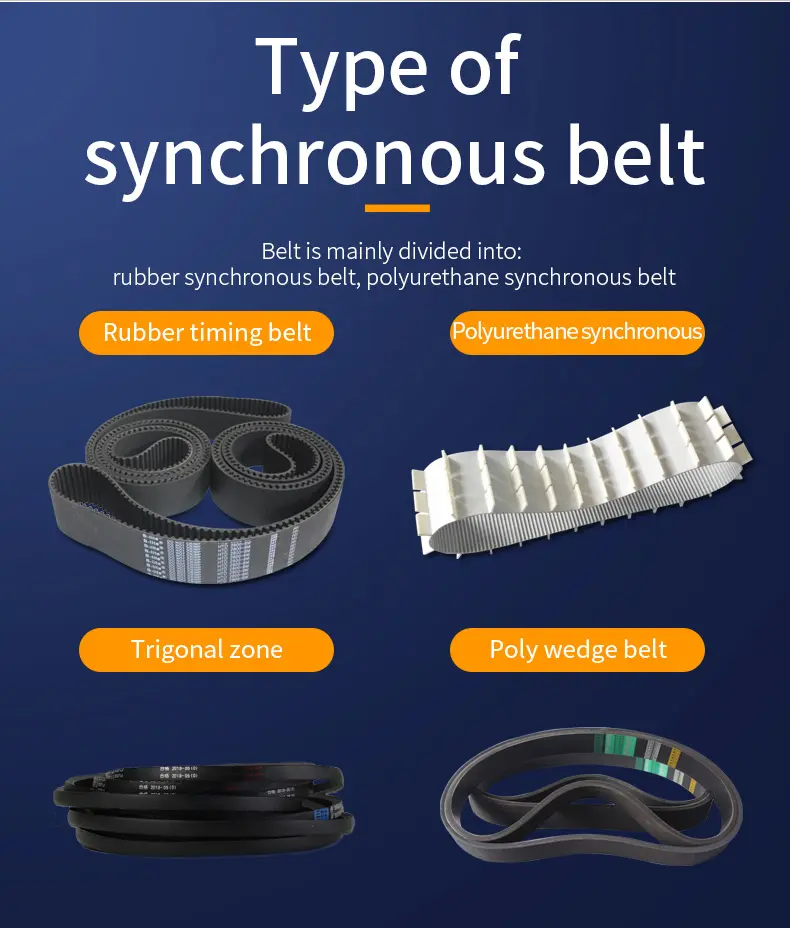
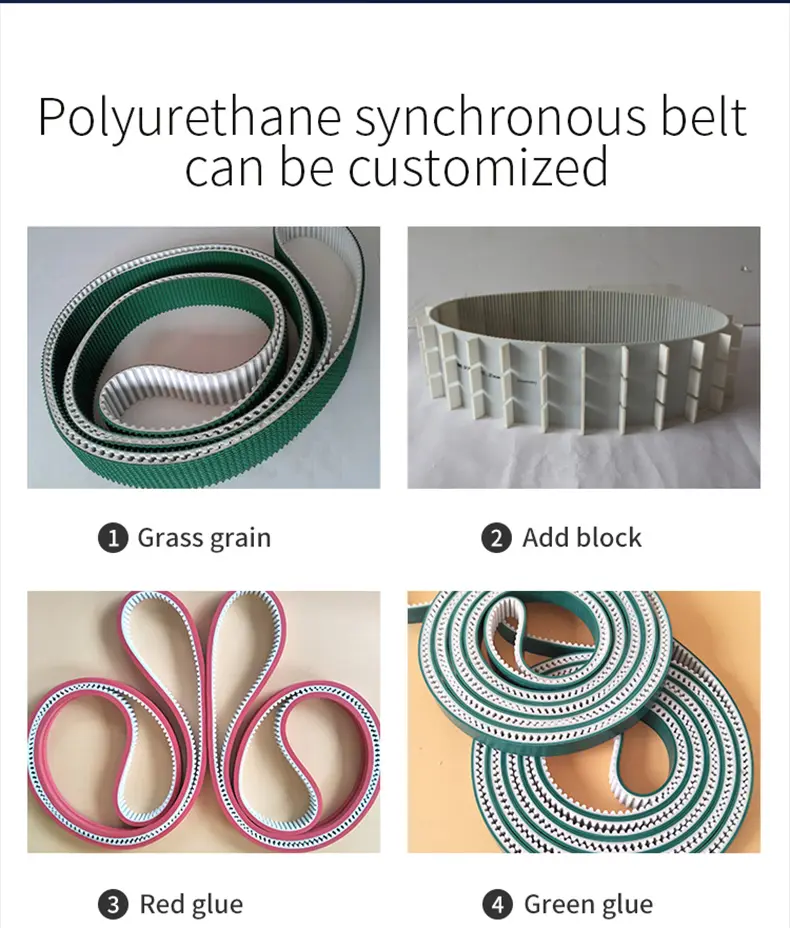
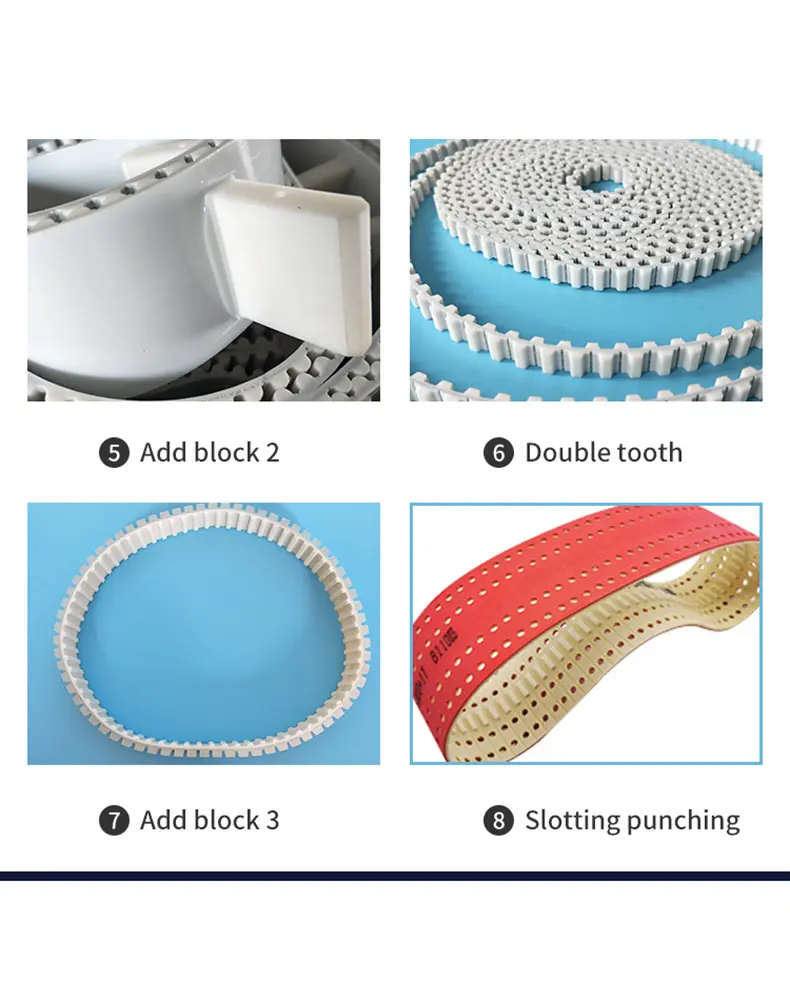
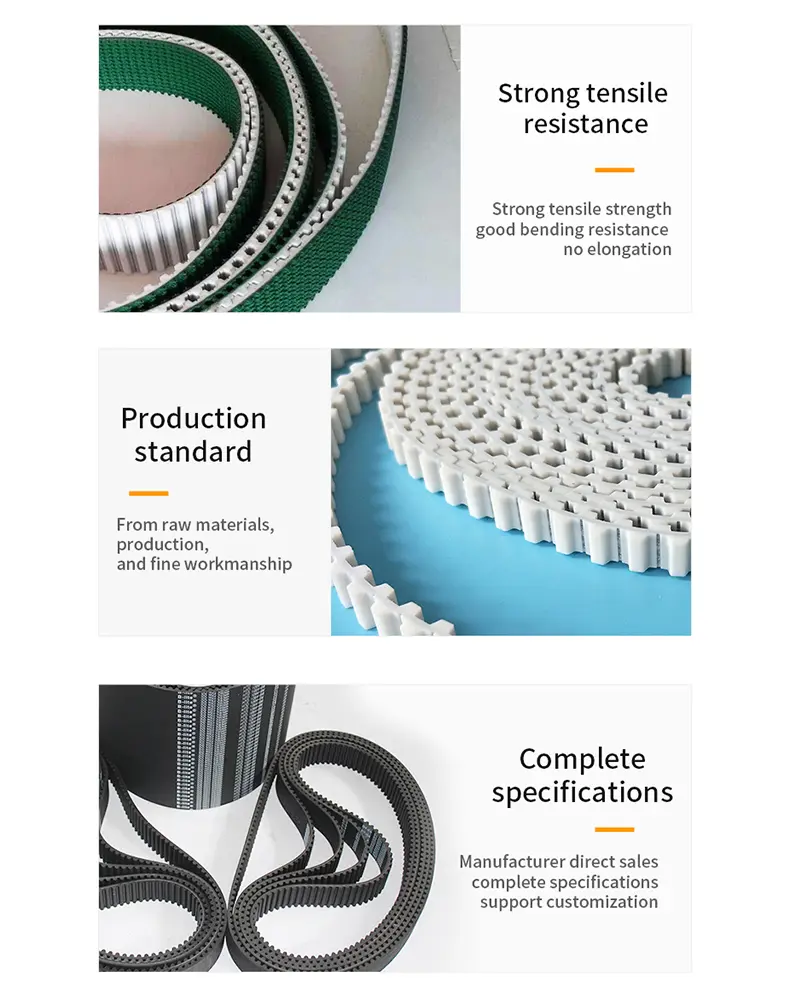
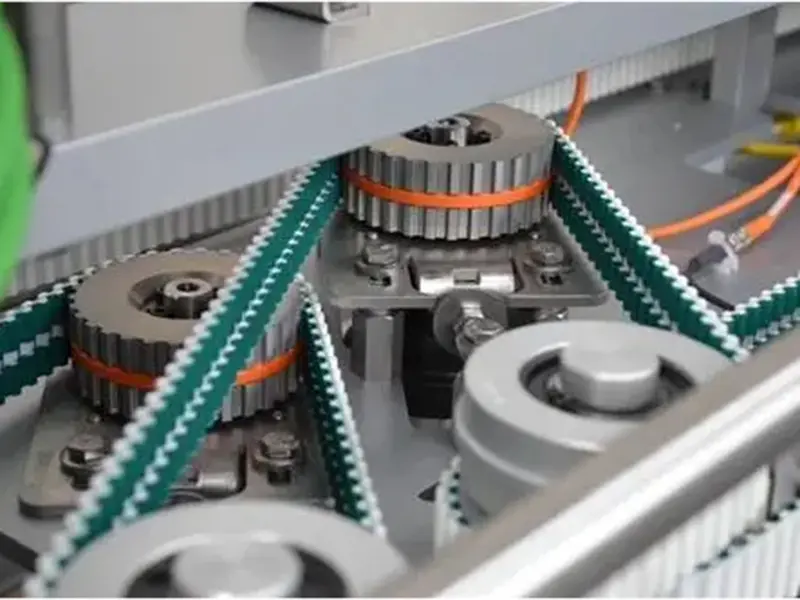
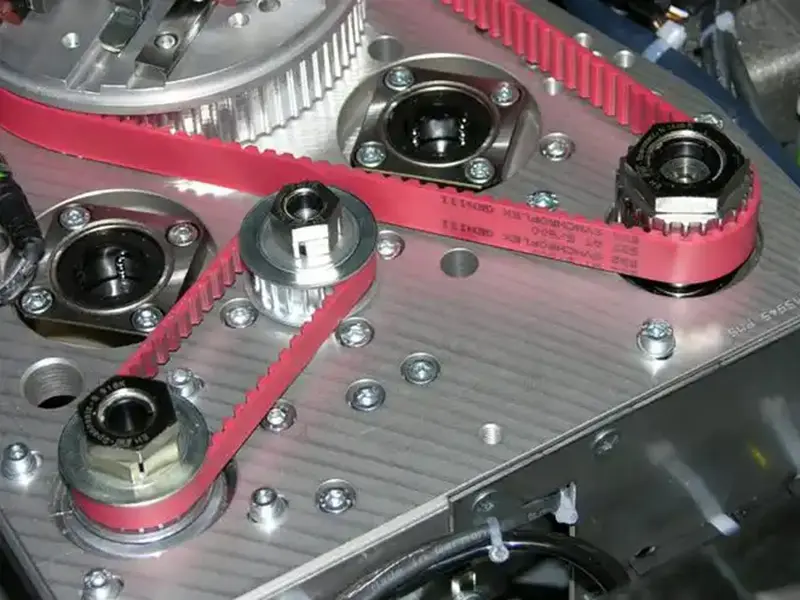
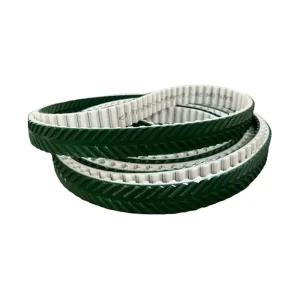
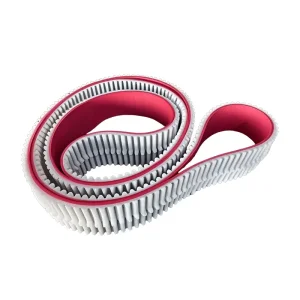
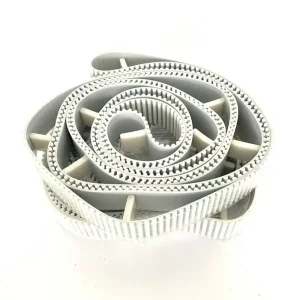
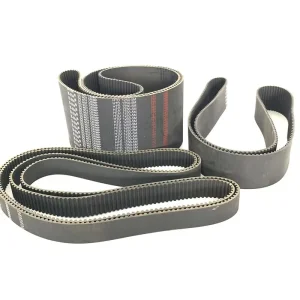
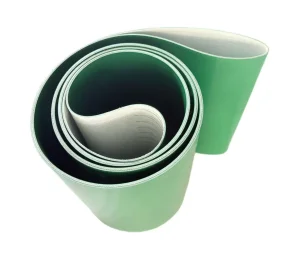
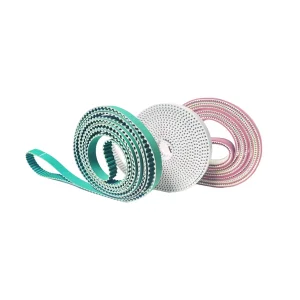
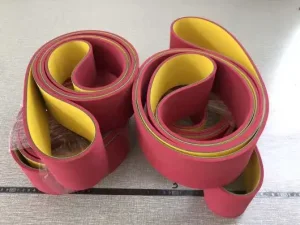
 Synchronous belt according to the material can be divided into rubber and polyurethane synchronous belt, synchronous belt  families, red plastic, green plastic as required above,decorative pattern and so on to increase friction, specific parameters are as follows:

Tooth profile pitch
3M/S3M 3
5M/S5M 5
8M/S8M 8
14M/S14M 14
H 12.7
XH 22.225
L 9.525
T5/AT5 5
T10/AT10 10

Product Description

Synchronous Belt

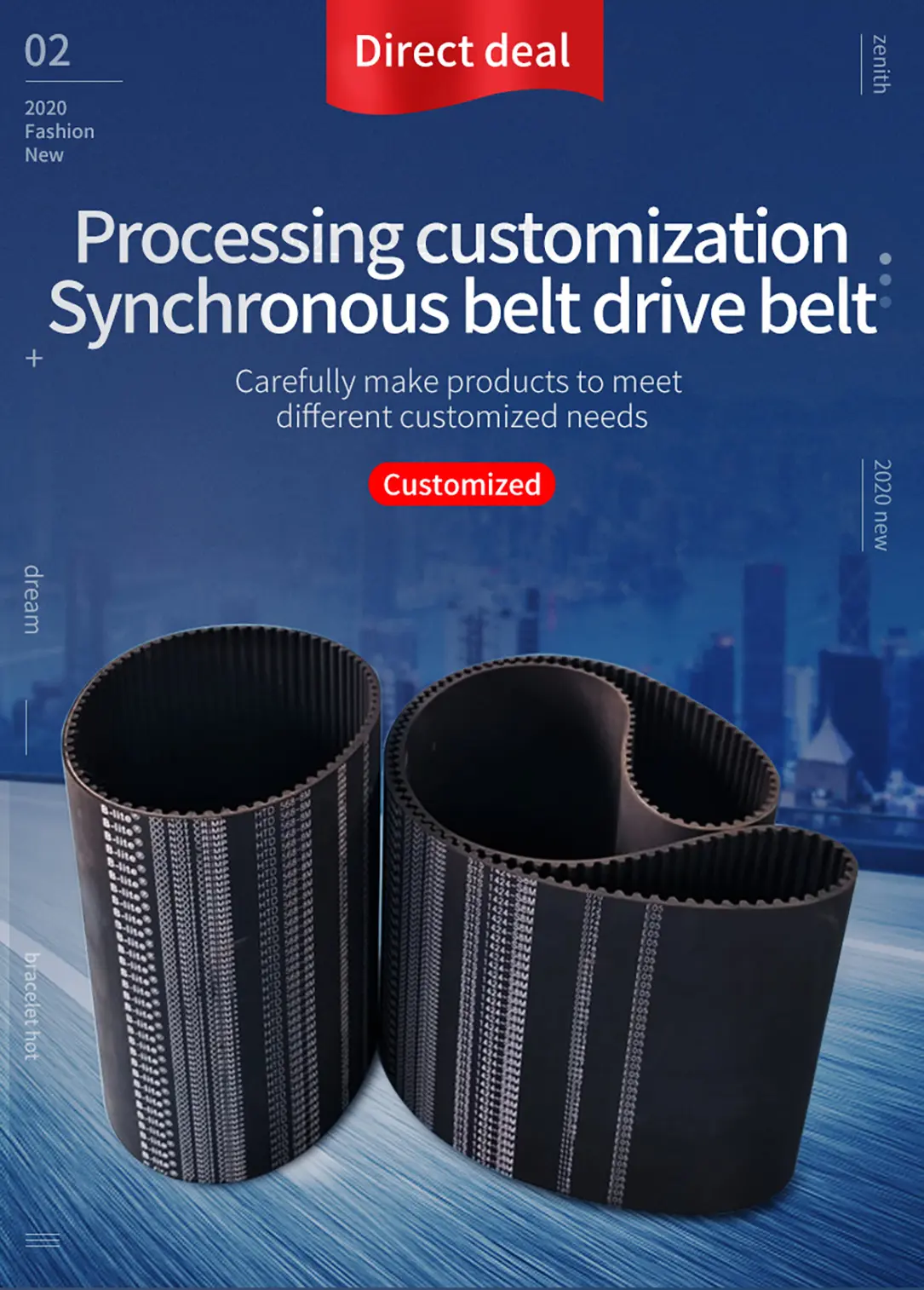
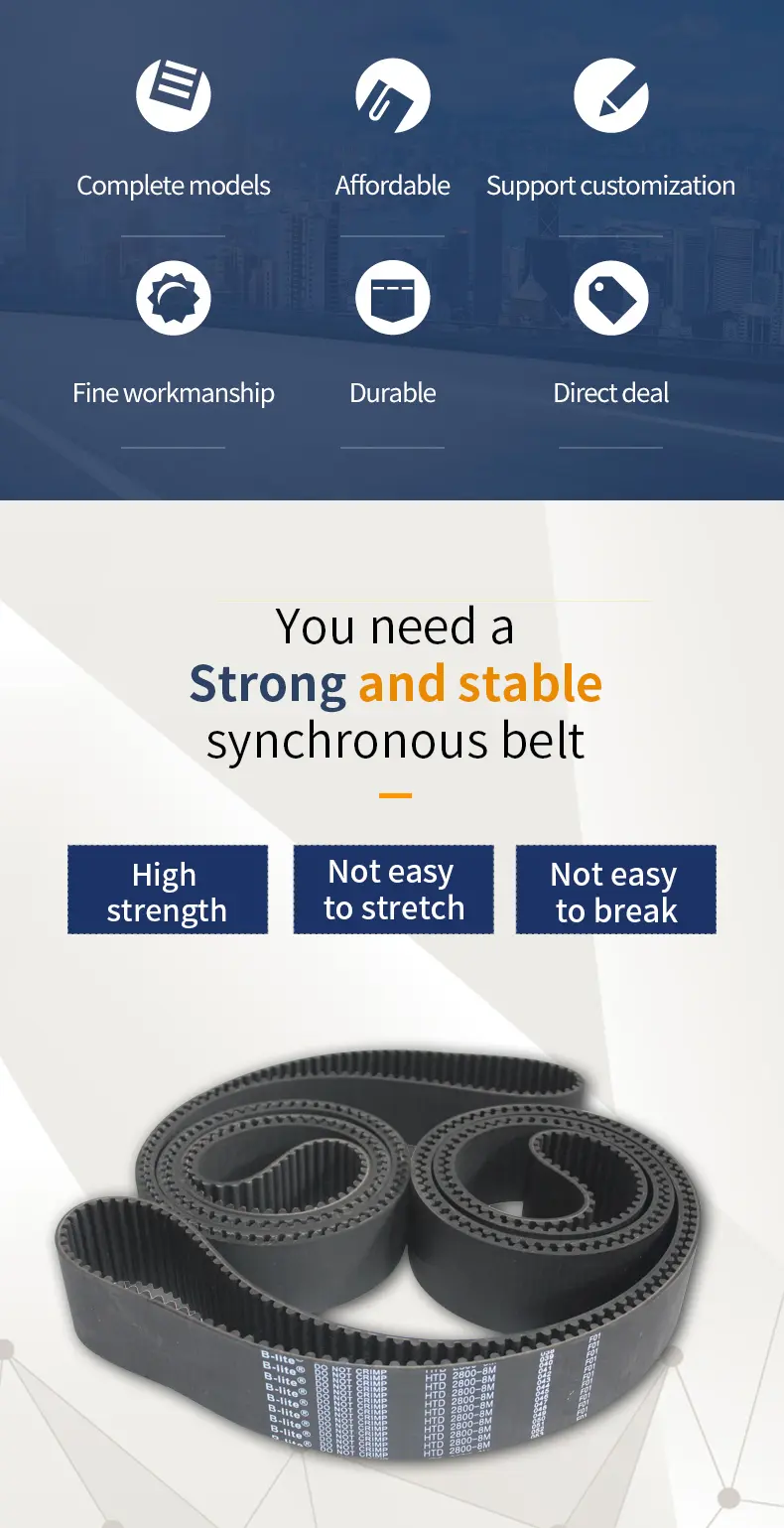
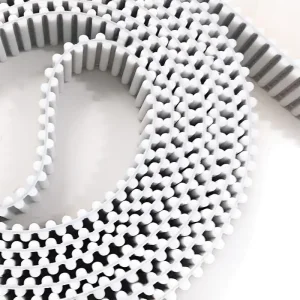
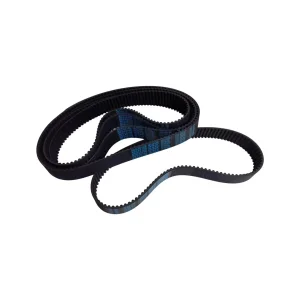
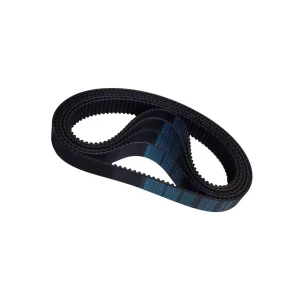
Synchronous belt, also known as toothed belt or timing belt, is an efficient and precise transmission device. It is made of steel wire rope or glass fiber as a strong layer, covered with polyurethane or chloroprene rubber, forming a circular structure. The inner surface of the synchronous belt is equipped with equidistant teeth, allowing it to precisely mesh with the toothed pulley for transmission, ensuring no relative sliding during the transmission process and thus maintaining a constant transmission ratio.
Synchronous-belt-1
Synchronous-belt-3

Structure and Components

The synchronous belt consists of the following key parts: Strong layer, Toothed layer, Wrapping layer, and Adhesive layer. Each component is engineered to provide maximum durability and performance under high-speed operations.
Synchronous-belt-4
Synchronous-belt-2

Key Advantages

Our synchronous belts offer several technical benefits for industrial applications:
Synchronous-belt-5
High transmission efficiency and no slip characteristics.
Smooth operation with minimal noise.
Strong load-bearing capacity for heavy-duty tasks.
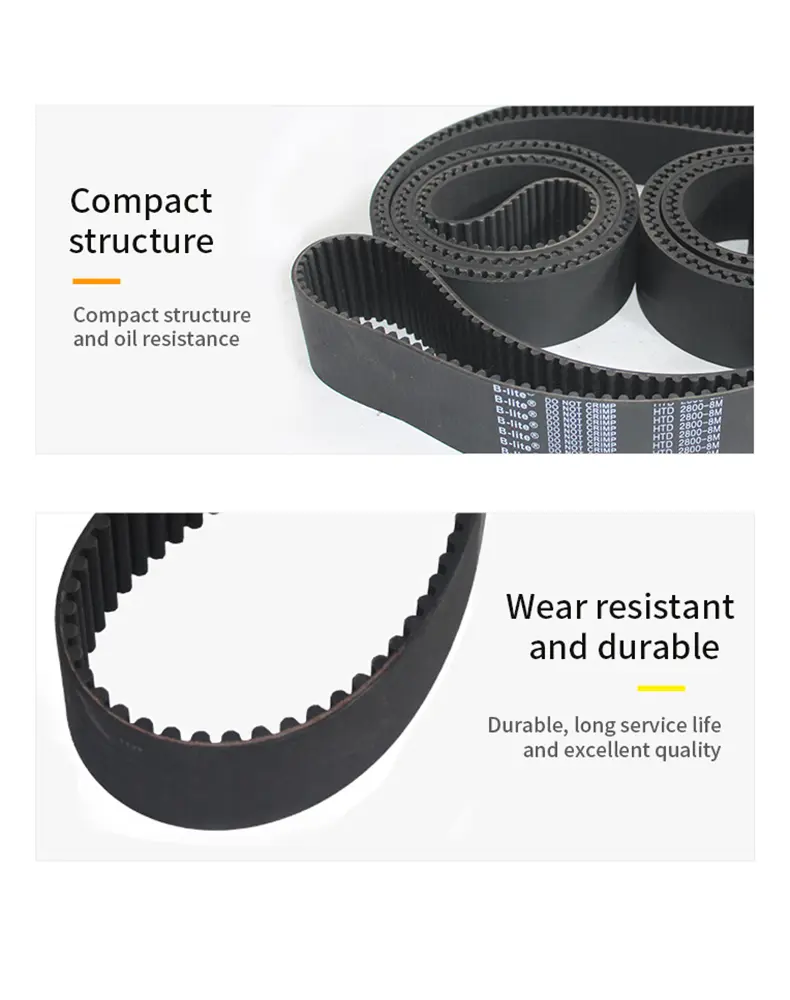
Low maintenance requirements and long service life.
Synchronous-belt-6
Synchronous-belt-7
Synchronous-belt-8
Synchronous-belt-9
Synchronous-belt-10
Synchronous-belt-11
Synchronous-belt-12
Synchronous-belt-13
Synchronous-belt-14

Application Areas

Automotive industry: Used for transmission of key components such as engines and transmissions.
Mechanical manufacturing: Power transmission for machine tools, textile machinery, and printing equipment.
Packaging machinery: Driving conveyor belts and cutting devices on automated lines.
Logistics industry: Driving stacker cranes and conveyor lines in automated warehouses.
application-1
application-2
Agricultural machinery: Power support for harvesters and seeders.
Aerospace: High-precision and lightweight special material timing belts.
Electronic equipment: Precise position control and motion transmission.
Fitness equipment: Used in treadmills and spinning bikes for smooth transmission.
Frequently Asked Questions
Q1: What are the main materials used in synchronous belts?
A1: They are primarily made of polyurethane (PU) or chloroprene rubber, reinforced with steel wire ropes or glass fiber as the strong tensile layer.
Q2: Why choose a synchronous belt over a standard V-belt?
A2: Synchronous belts provide a constant transmission ratio without slipping, offer higher efficiency, and require less tension compared to standard V-belts.
Q3: Are synchronous belts suitable for high-speed applications?
A3: Yes, due to their precise tooth meshing and lightweight materials, they are ideal for high-speed and high-precision motion control.
Q4: How do I maintain a synchronous belt?
A4: Maintenance is simple; regularly check for tooth wear, ensure proper pulley alignment, and keep the belt clean from oil and debris.
Q5: Can these belts be used in harsh environments?
A5: Yes, specialized synchronous belts are designed to resist heat, chemicals, and abrasion, making them suitable for various industrial environments.
Q6: What determines the load capacity of the belt?
A6: The load capacity is determined by the width of the belt, the pitch of the teeth, and the strength of the internal reinforcement (steel or glass fiber).

Related Products