 Huishi
Huishi
Huishi
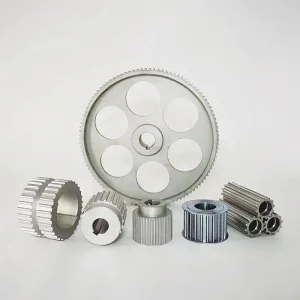
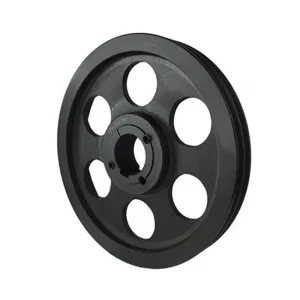
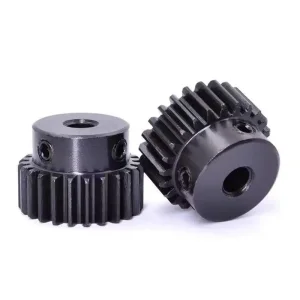
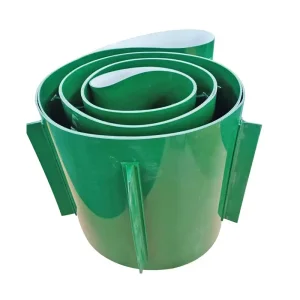
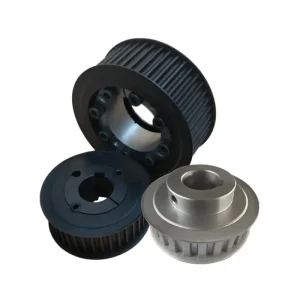
In the contemporary industrial sector, the efficiency of power transmission and mechanical motion is dictated by the precision of individual components. Wall pulleys, often overlooked, serve as critical infrastructure in industrial machinery, conveying systems, and automation platforms. As a global wholesale supplier, we observe a distinct shift toward miniaturization, high-durability materials, and standardized ISO compliance.
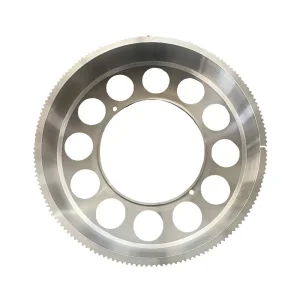
The global market for transmission pulleys is currently experiencing a CAGR growth driven by the expansion of automated warehousing and robotic assembly lines. Manufacturers are moving away from traditional cast iron toward CNC-machined aluminum and high-strength steel alloys that offer better weight-to-strength ratios, reducing energy consumption in high-speed machinery.
The "Industry 4.0" revolution is fundamentally changing how pulleys are manufactured. Our current technological roadmap focuses on three pillars:
Qingdao Huishi Transmission Equipment Co., Ltd. is not just a supplier; we are an engineering partner. Established in 2010, our journey has been defined by a commitment to R&D. By maintaining a 6,000 square meter facility equipped with over 60 advanced production and testing units, we bridge the gap between abstract engineering requirements and physical, durable hardware solutions.
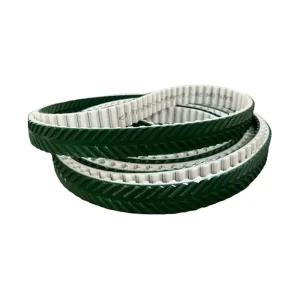
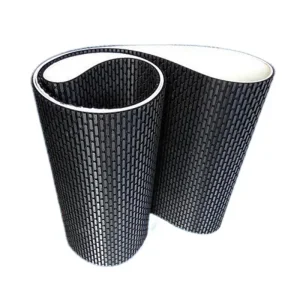
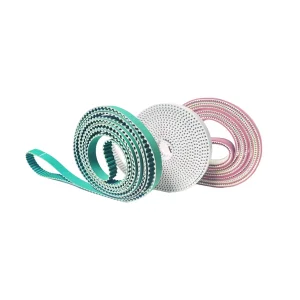
Our collaboration with global leaders such as Megadyne and Continental validates our quality management systems, which adhere strictly to ISO9001 standards. This professional endorsement ensures that every pulley and belt we export meets the most stringent international benchmarks.
A: The choice depends on torque requirements and environment. Aluminum is excellent for speed and lightweight applications (3D printing, robotics), while heat-treated steel is necessary for heavy industrial load-bearing applications.
A: Custom profiles allow for higher precision in synchronization, reducing the "backlash" effect common in standard off-the-shelf parts, ultimately increasing machine lifespan.
A: We utilize a multi-stage Quality Control (QC) process, including dimensional verification, material hardness testing, and stress-test simulation before final shipment.