
Huishi Huishi

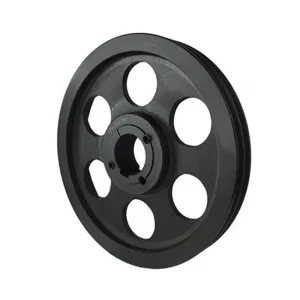
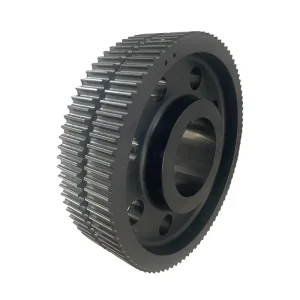
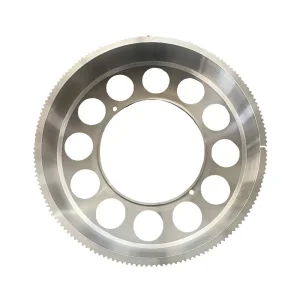
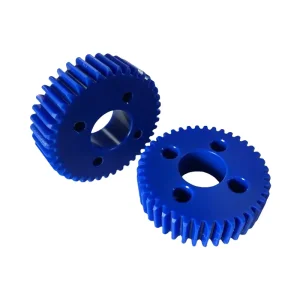
Wholesale Precision transmission high stability aluminum wheel synchronous wheel Manufacturers, Factory

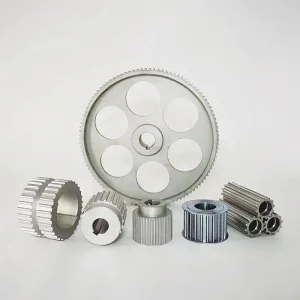
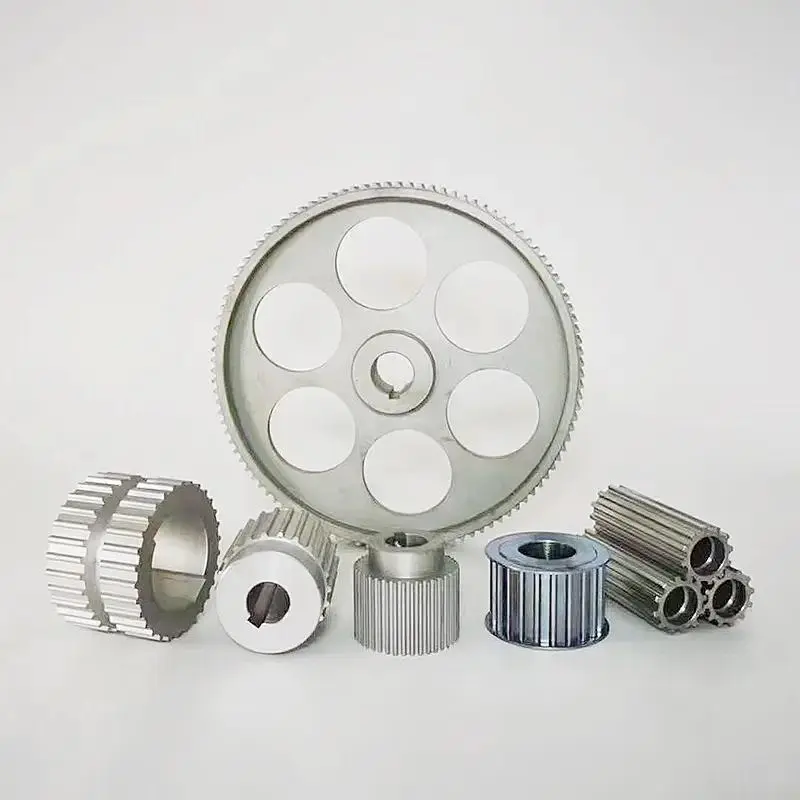
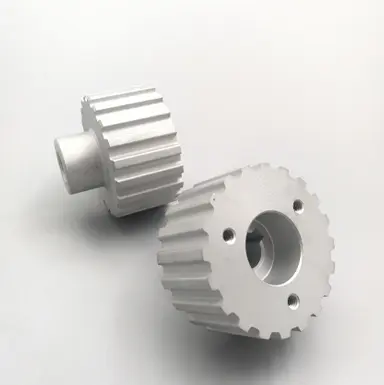
Synchronous wheel - the core force of precise transmission!

Using high-quality aluminum alloy, lightweight and high-strength, accurate transmission ratio without slip, low noise, and high efficiency.

Compact structure, easy maintenance, widely applicable to industries such as machine tools, printing, textiles, food packaging, etc., making your equipment operate more smoothly and reliably.

Product Description

Introduction to Synchronous Wheels

Synchronous wheel is a key precision transmission component in the field of mechanical transmission, widely used in various scenarios that require precise transmission, such as automation equipment, textile machinery, printing equipment, laser cutting equipment, medical equipment, and automotive power systems.

It usually consists of a wheel body (including a ring gear), a hub, and connecting structures (such as spokes, spokes, or solid structures), where the tooth profile on the wheel body is the core feature and needs to be accurately matched with the tooth profile of the synchronous belt to ensure the accuracy of transmission.

Material Selection & Performance

The commonly used materials for synchronous wheels need to be selected comprehensively based on transmission requirements, environmental adaptability, and cost:

Mainstream Material: Aluminum Alloy

Aluminum alloy combines lightweight properties, corrosion resistance, and good mechanical strength. It can effectively reduce equipment operating energy consumption and is widely used in precision transmission scenarios with low to medium loads.

Frequently Asked Questions

Q1: What are the primary applications of synchronous wheels?
A: Synchronous wheels are essential for automation equipment, textile machinery, medical devices, and automotive power systems where precise motion control is required.
Q2: Why is the tooth profile of a synchronous wheel so important?
A: The tooth profile must accurately match the synchronous belt to prevent slipping and ensure high-precision, constant-speed transmission.
Q3: What are the main components of a synchronous wheel?
A: A standard synchronous wheel consists of a wheel body (with ring gear), a hub, and supporting structures like spokes or a solid core.
Q4: What are the advantages of using aluminum alloy for these wheels?
A: Aluminum alloy offers a high strength-to-weight ratio, excellent corrosion resistance, and helps in reducing the overall energy consumption of the machinery.
Q5: How do I choose the right synchronous wheel material?
A: Selection should be based on the required load capacity, operating environment (such as exposure to chemicals or moisture), and cost efficiency.
Q6: Can synchronous wheels be used in high-load scenarios?
A: While aluminum is great for low to medium loads, other materials like steel may be used for heavy-duty industrial applications requiring higher mechanical strength.

Related Products