 Huishi
Huishi
Huishi
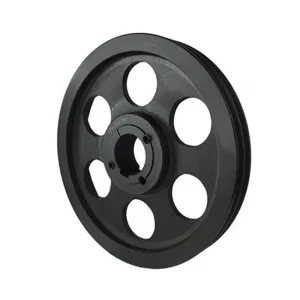
China V-belt pulley SPA SPB SPC
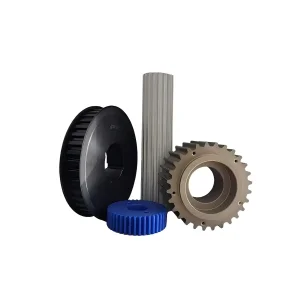
Custom Timing Pulley
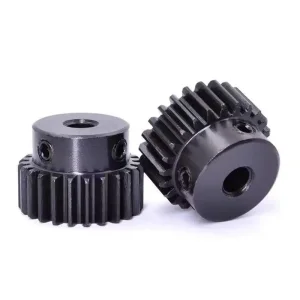
High-Quality Gear & Sprocket
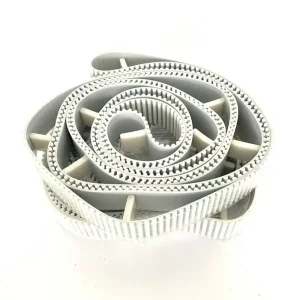
Custom Timing Belt
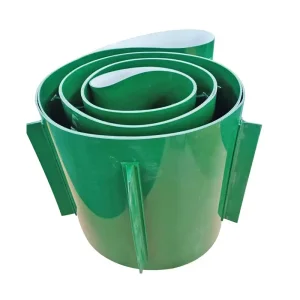
Custom Lightweight Conveyor
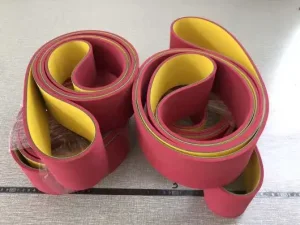
Custom Flat belts
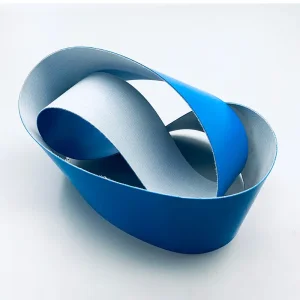
Wholesale Precision Conveyor
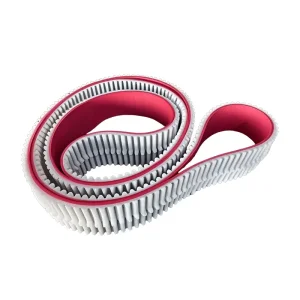
Viscous Polyurethane Timing Belt
In the modern landscape of high-speed automation, the sorting belt is the central nervous system of any fulfillment center. As a premier manufacturer and supplier, we understand that procurement managers are not just buying rubber or PU; they are purchasing uptime. Our engineering philosophy centers on three pillars: tribological optimization, tensile strength consistency, and modular compatibility.
When selecting a supplier for high-volume sorting operations, buyers must evaluate more than just price. Consider the following E-E-A-T validated factors:
The global industrial conveyor landscape is pivoting toward Predictive Maintenance. Our future roadmap integrates smart-sensing capabilities directly into the sorting belt structure.
We are transitioning from standard PVC to advanced thermoplastic polyurethanes (TPU) reinforced with aramid cords. This shift offers a 30% increase in load-bearing capacity while reducing elongation, effectively extending the service life of your material handling systems.
We are actively implementing "green" manufacturing protocols, utilizing recyclable materials and energy-efficient curing processes. This helps our clients meet their internal ESG (Environmental, Social, and Governance) targets.
Operating a global supply chain requires rigorous adherence to local standards. Qingdao Huishi Transmission ensures that every belt shipped internationally meets regional certification requirements, including REACH, RoHS, and ISO 9001:2015.
Our localized support model means you are never navigating complex installation alone. From on-site belt tracking adjustment guidance to custom cut-to-length services, our technical experts are available for remote or on-site consultation to ensure your downtime is kept to an absolute minimum.
A: It depends on the environment. PU is superior for oil resistance and high-abrasion environments, while PVC offers cost-effectiveness for general light-duty logistics.
A: Standard orders are typically fulfilled within 7-14 business days. Complex custom fabrications require 2-3 weeks depending on the material availability and specification complexity.
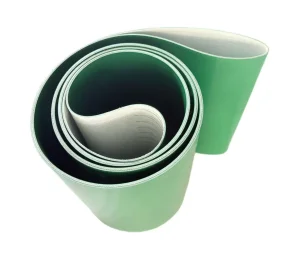
High wear-resistant industrial belt
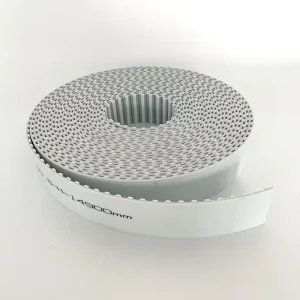
HTD5M PU Timing Belt
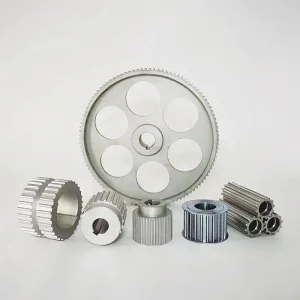
Precision Aluminum Wheel
Custom Conveyor belt
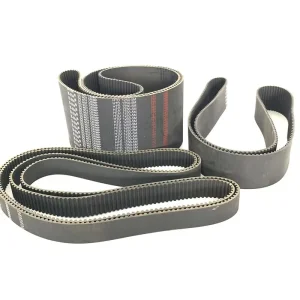
High-Quality Rubber Timing Belt
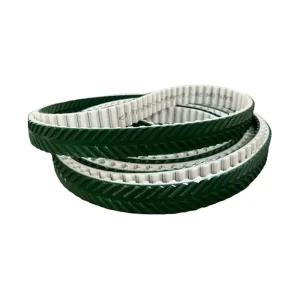
50at20 Seamless PU Belt
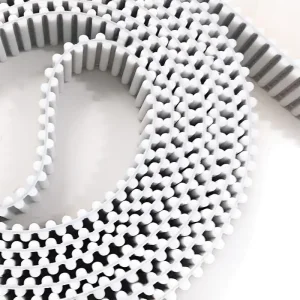
High-Quality Polyurethane Belt
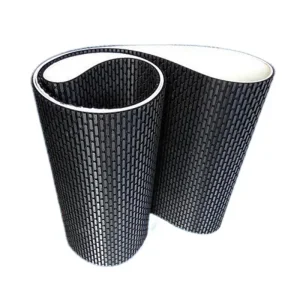
Versatile PVC Conveyor