 Huishi
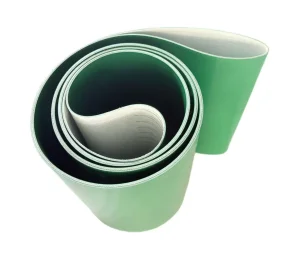
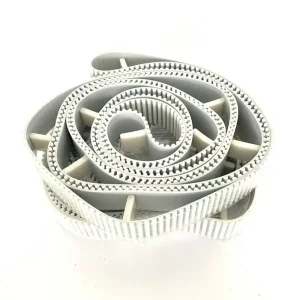
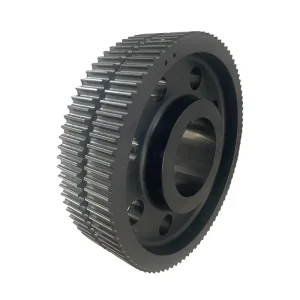
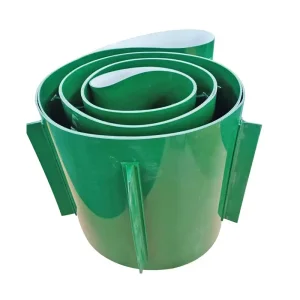
The Evolution of Modern Conveying: Why PVC Remains the Industry Standard
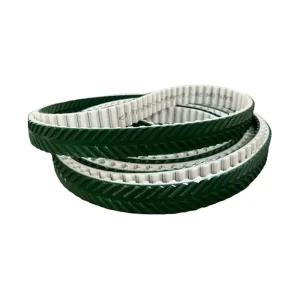
In the rapidly evolving landscape of industrial automation, the selection of the correct conveyor belting is no longer just a procurement choice—it is a critical engineering decision that impacts throughput efficiency, energy consumption, and total cost of ownership. As a leading manufacturer in Qingdao, we understand that "High-Quality" is not a marketing term; it is a measurable metric defined by material integrity, tensile strength, and abrasion resistance.
The China Factory Advantage: Why Global Procurement is Shifting
China has transitioned from a high-volume manufacturing hub to a high-precision engineering ecosystem. Our factory represents this shift, utilizing advanced vulcanization technology and ISO9001-certified quality control protocols. By integrating R&D with direct factory-floor production, we reduce intermediary overhead, allowing international buyers to secure enterprise-grade PVC conveyor belts at prices that sustain their competitive margins in local markets.
Localized Application Scenarios: Beyond Basic Transport
We do not just sell belts; we provide transmission solutions tailored to specific operating environments:
- Logistics & E-commerce: High-grip surfaces for inclines and rapid sorting mechanisms.
- Food Processing: FDA-compliant, antimicrobial PVC surfaces that resist oils and fats.
- Textile & Electronics: Anti-static properties and precise dimensional stability to prevent slippage during high-speed assembly.
Future Trends: Intelligence in Transmission
The industry is moving toward "Smart Conveying." We are currently researching self-monitoring belt surfaces and modular designs that allow for rapid onsite repair. The convergence of material science and mechanical engineering ensures that our products not only move goods but also protect the machinery they serve, reducing downtime and maintenance frequency.