 Huishi
Huishi
Huishi
Explore our premium select range of high-precision timing pulleys, industrial-grade synchronous belts, and optimized conveyor solutions built for high load capacity and minimal backlash.
Demystifying curvilinear tooth geometry and the physics of high-torque drive configurations.
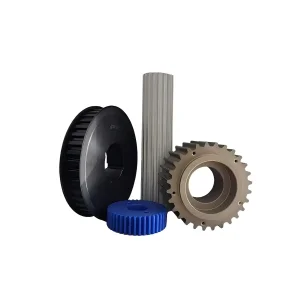
In modern industrial kinematics, the HTD (High Torque Drive) timing pulley represents a major technological leap from older trapezoidal tooth profiles. Originally designed to distribute stress more evenly during engagement, the curvilinear tooth profile of HTD pulleys significantly reduces stress concentrations at the root of the tooth. By eliminating the sharp corners characteristic of standard trapezoidal designs (such as XL, L, or H pitches), HTD profiles allow for a smoother transition of force and dramatically increase overall torque capacity.
HTD systems are categorized by their pitch—the distance from the center of one tooth to the center of the next—commonly measured in millimeters. The most prevalent sizes in heavy automation and precision machinery include:
Choosing the correct pitch is only the beginning. Achieving optimal power transmission requires strict manufacturing tolerances on the pulley’s outer diameter (OD), pitch circle diameter (PCD), and tooth profile consistency. Our factory utilizes high-precision hobbing machinery to maintain pitch tolerances within microns, ensuring perfect tooth nesting. This minimizes backlash, prevents premature belt wear, and prevents "tooth jump" under sudden load increases or high-torque starts.
The rounded curvilinear geometry distributes load throughout the entire tooth root, preventing crack initiation and tooth shear under extreme torque spikes.
Optimized manufacturing tolerances on timing pulley hobbing eliminate play, making them ideal for bidirectional and positioning applications.
Curvilinear mating provides a smooth sliding engagement between the belt teeth and the pulley groove, significantly reducing high-frequency decibel emissions.
Combining state-of-the-art Chinese industrial capacity with global precision standards since 2010.
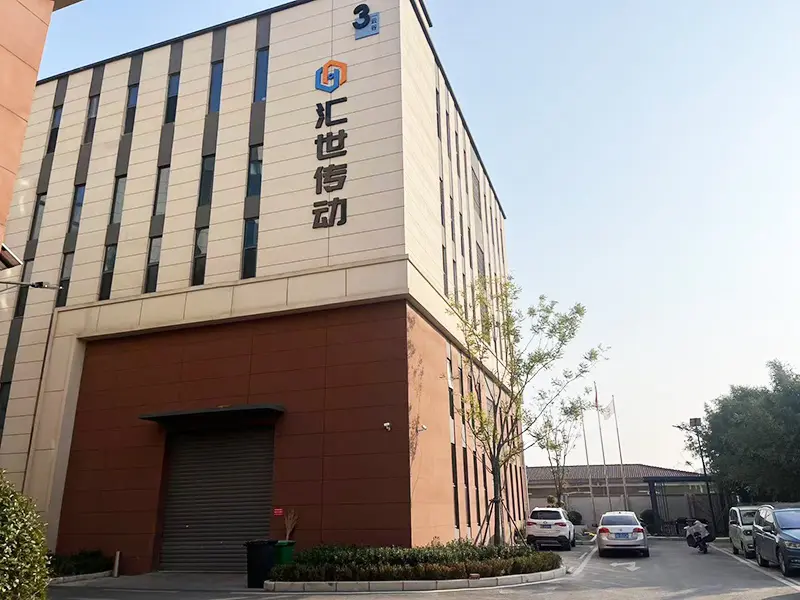
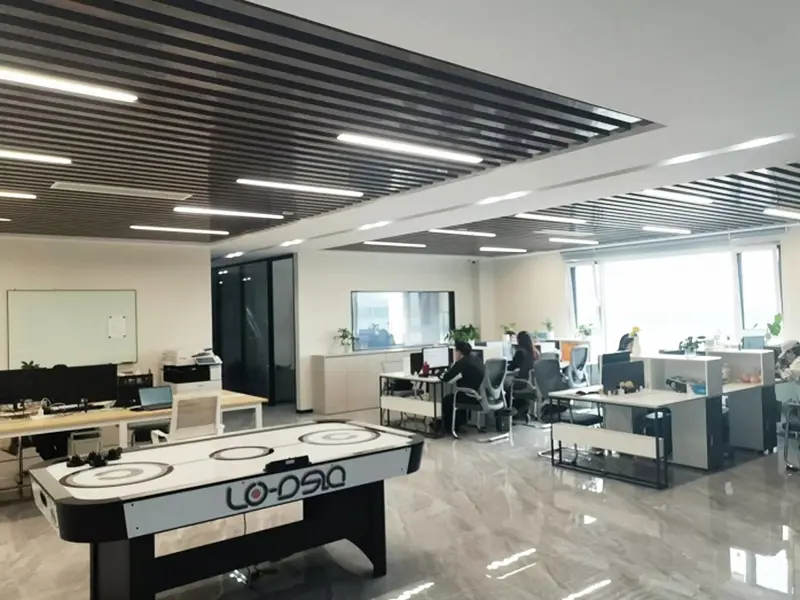
Qingdao Huishi Transmission Equipment Co., Ltd. has grown steadily since our founding in 2010. Today, we operate a modern facility spanning over 6,000 square meters and employ more than 50 highly skilled professionals. As a high-tech company focused on industrial belt transmission and conveying systems, we integrate R&D, manufacturing, and sales under one roof. Our mission is to supply premium products and reliable technical services to customers worldwide.
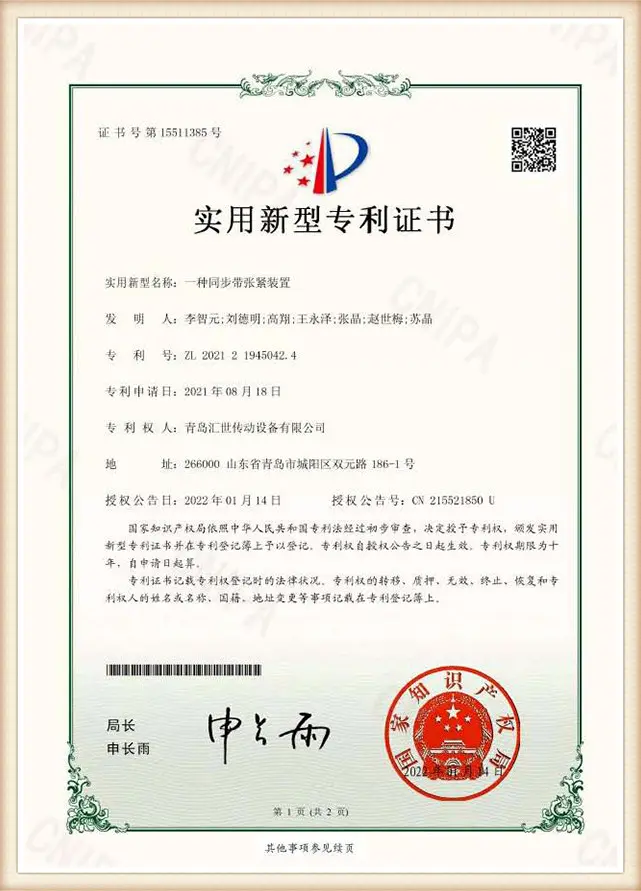
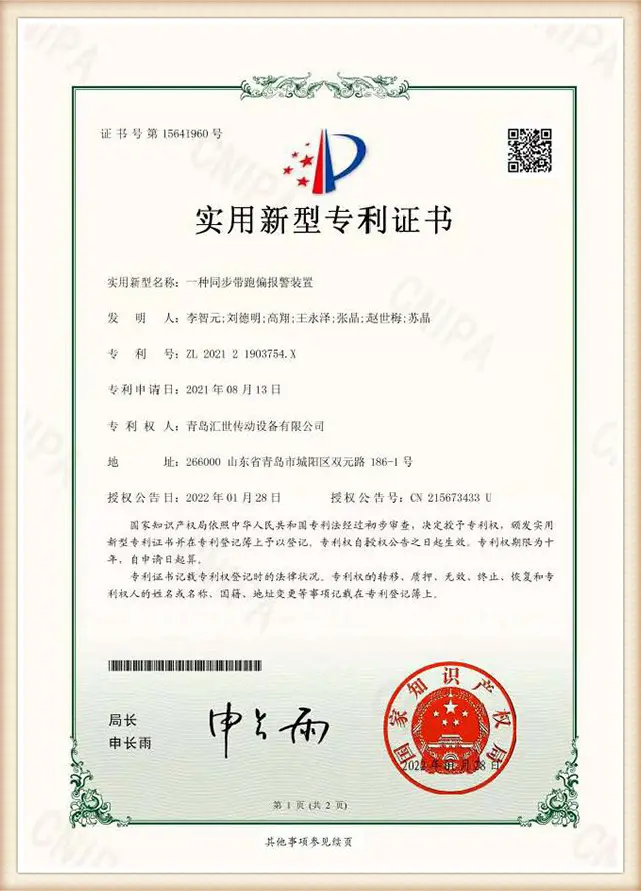
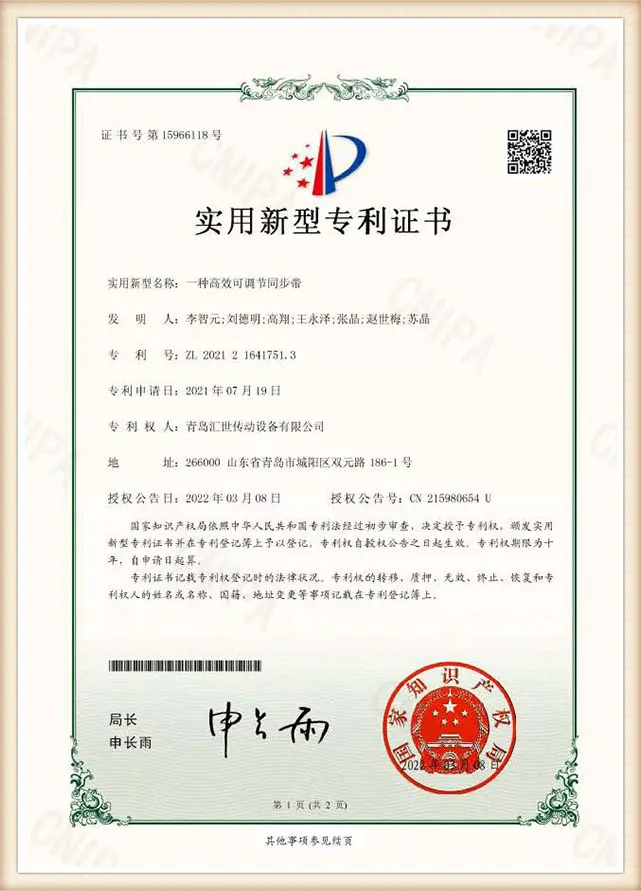
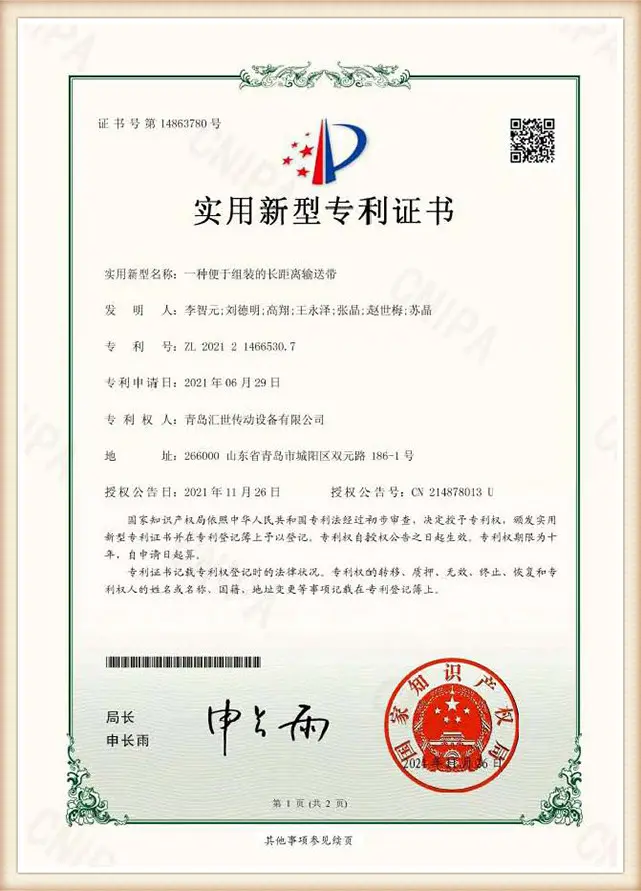
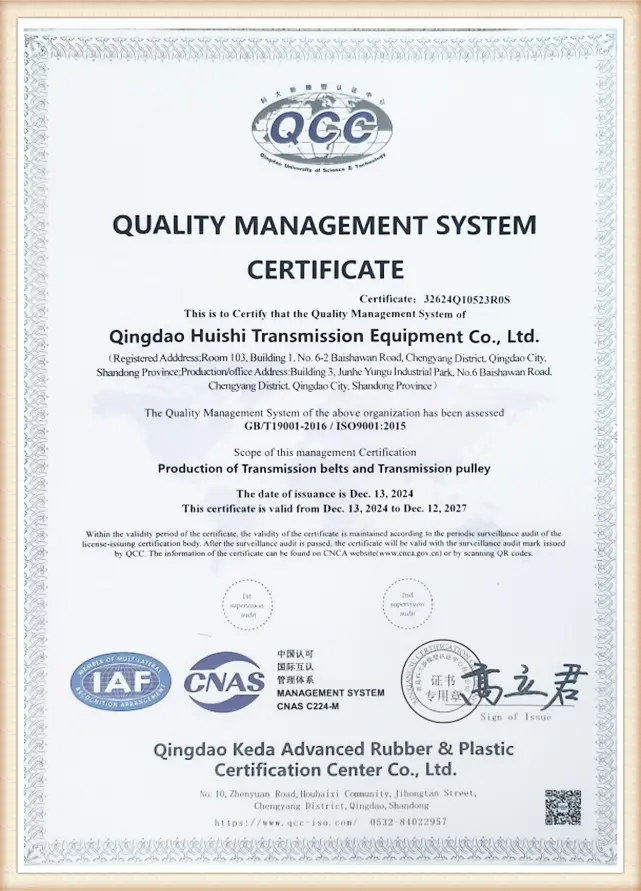
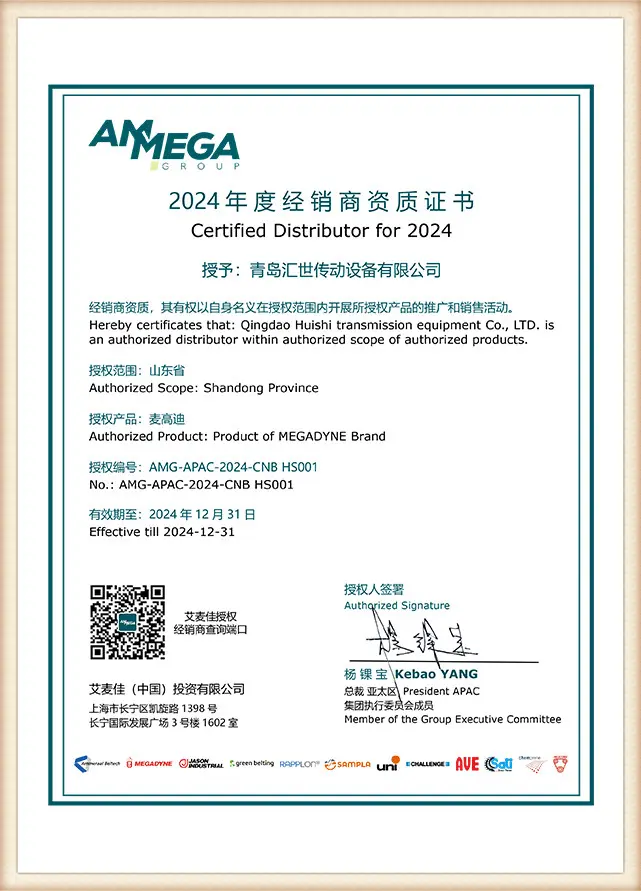
In addition to our proprietary high-end brand, BESTLITE, we maintain strategic partnerships with world-renowned industry leaders, including Italy's Megadyne and Germany's Continental. Operating as an authorized agent for these top-tier brands allows us to provide a comprehensive and versatile product portfolio to our clients. Through constant innovation and strict quality control, we have secured over 30 design patents and achieved full ISO9001 quality management system certification. These achievements have earned us official recognition as a designated "High-Tech Enterprise" and a "Specialized, Sophisticated, Unique, and Innovative" enterprise in China.
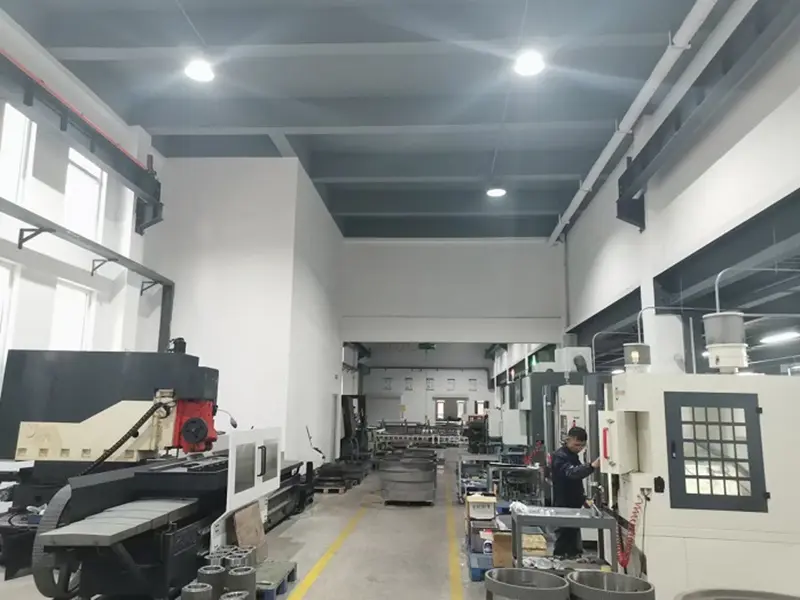
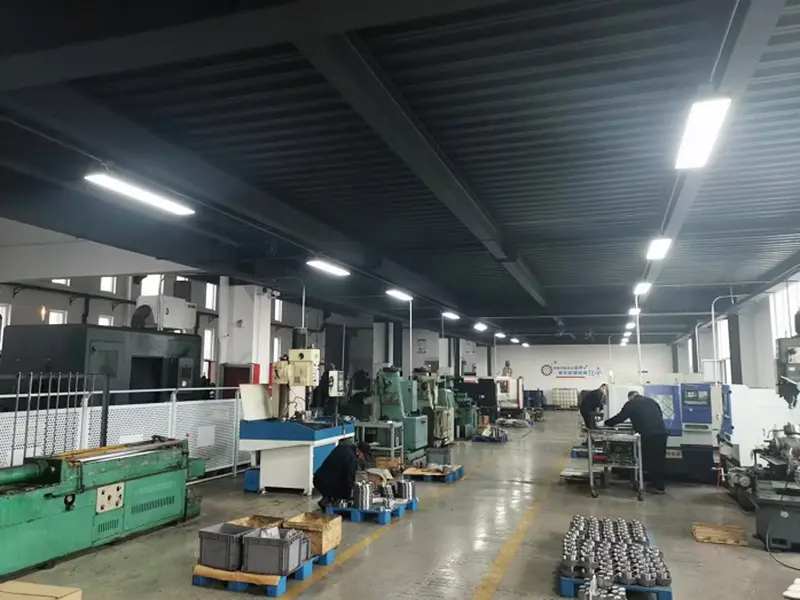
Inside our production facility: Precision machining, advanced raw materials, and strict QA protocols.
The foundation of our competitive edge is a robust manufacturing infrastructure. We are equipped with more than 20 advanced belt production lines and over 40 precision machining machines. This layout allows us to handle every phase of timing pulley production—from raw material sizing and turning to tooth hobbing, keyway broaching, flange mounting, and surface treatment—entirely in-house.
Our raw material selection is customized to meet the demanding environments of modern industrial operations:
Every timing pulley we manufacture undergoes a rigorous inspection protocol. We measure tooth profiles using coordinate measuring machines (CMM) and run dynamic balancing tests for high-RPM applications (to ISO 1940 G2.5 standards). This comprehensive quality control process ensures that every batch leaving our factory meets the precise requirements of our global customers.

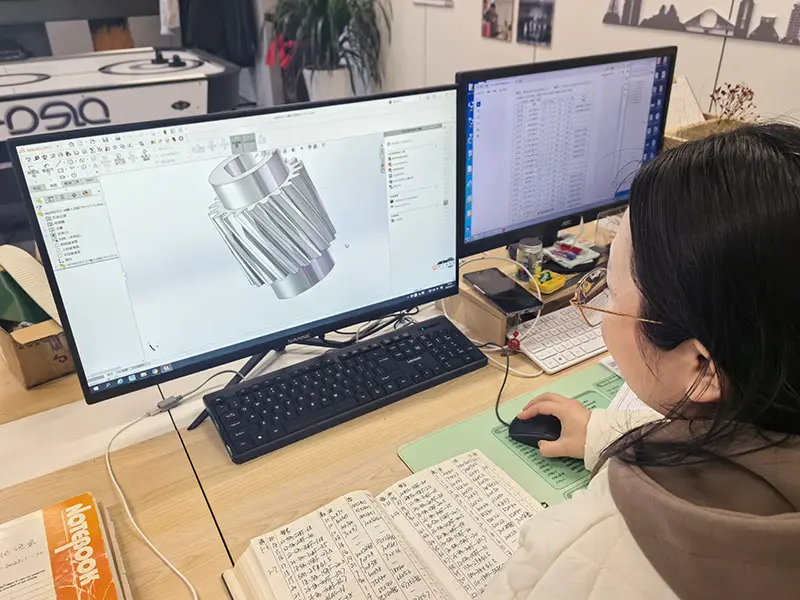
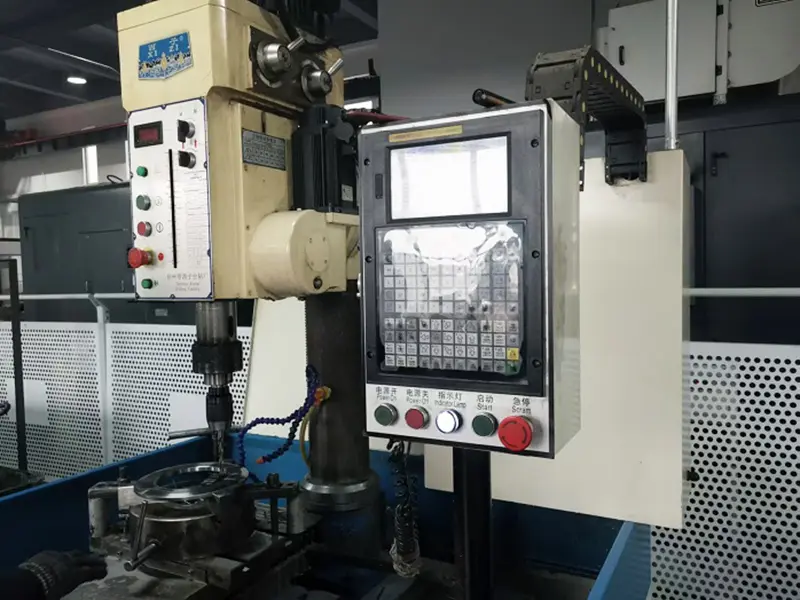
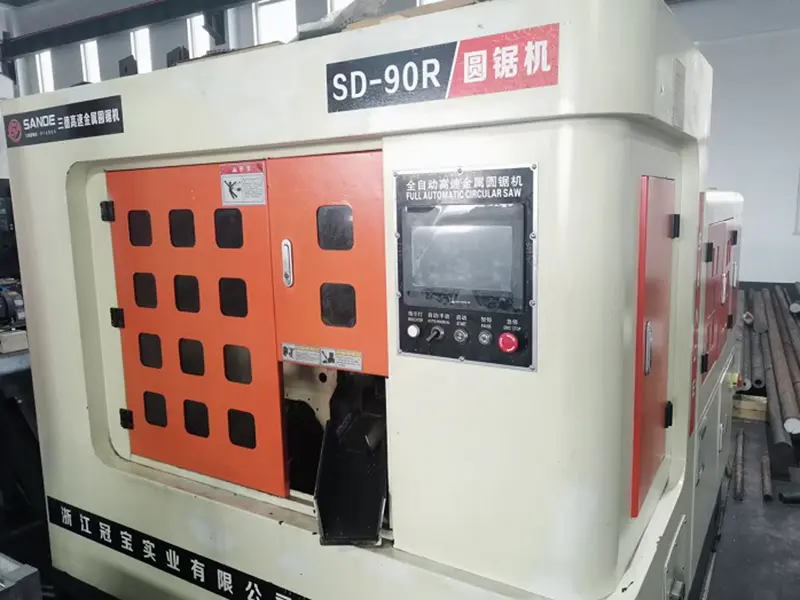
How global industries integrate our HTD timing pulleys and belts for maximum operational efficiency.
Industrial mechanical drives are rarely one-size-fits-all. Different operational environments present unique challenges, from extreme temperatures to chemical exposure and high-frequency start-stop cycles. At Qingdao Huishi, we analyze these environmental demands to deliver tailored components for specific applications:
In food-safe environments, cleanliness and corrosion resistance are primary concerns. We supply custom stainless steel HTD 5M and 8M pulleys paired with FDA-compliant food-grade conveyor belts. Our pulleys can be manufactured with special drainage holes and smooth pocket radius geometry to prevent bacterial buildup and make clean-in-place (CIP) procedures more effective.
Medical applications require quiet operation and absolute positioning accuracy. Using custom-milled aluminum timing pulleys with specialized wear-resistant anodized finishes, we ensure zero-backlash operation and long-term durability. These systems run silently and reliably in diagnostic devices like MRI machines, centrifuges, and liquid handling systems.
Operating in environments filled with abrasive dust and fibers requires robust mechanical components. Our heavy-duty steel and cast iron HTD pulleys are induction-hardened to withstand wear from airborne particles. Combined with high-integrity carbon-reinforced synchronous belts, they deliver consistent power transmission and require minimal maintenance, preventing costly production line shutdowns.
For additive manufacturing and automated assembly, positioning resolution is critical. We manufacture lightweight aluminum GT2 and HTD 3M timing pulleys with precise tooth counts and runout tolerances of less than 0.02 mm. This level of precision minimizes velocity variations and positioning errors, resulting in smoother finishes and higher manufacturing accuracy.
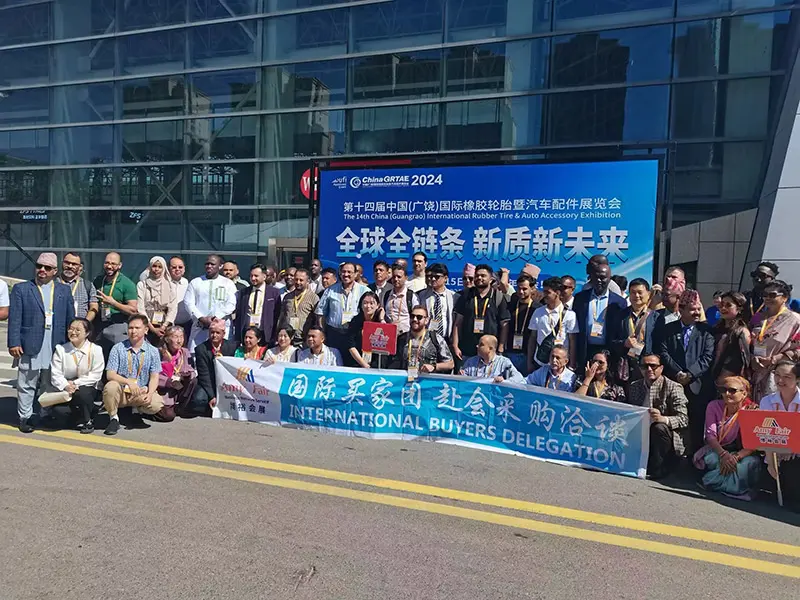
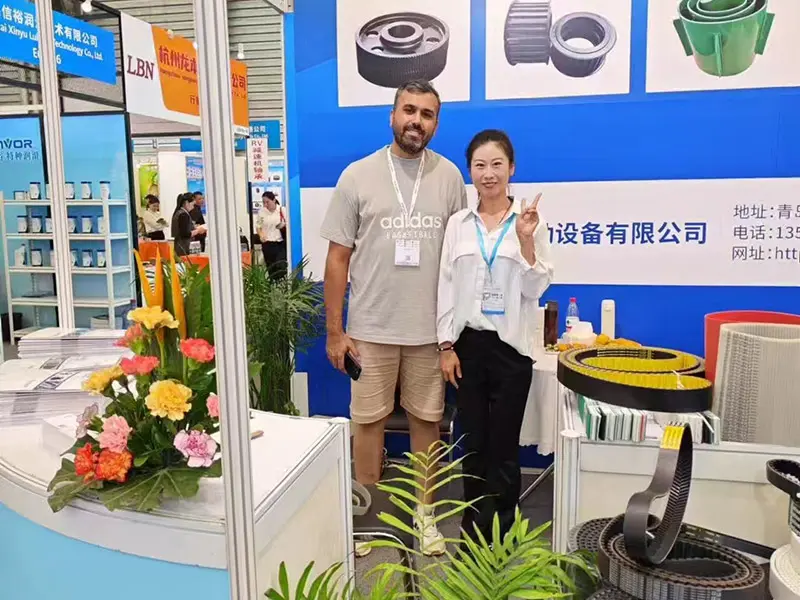
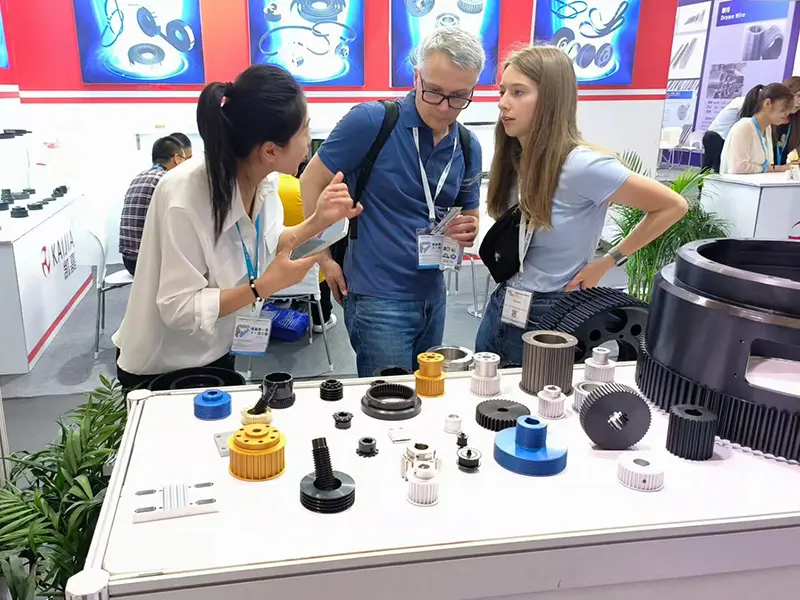
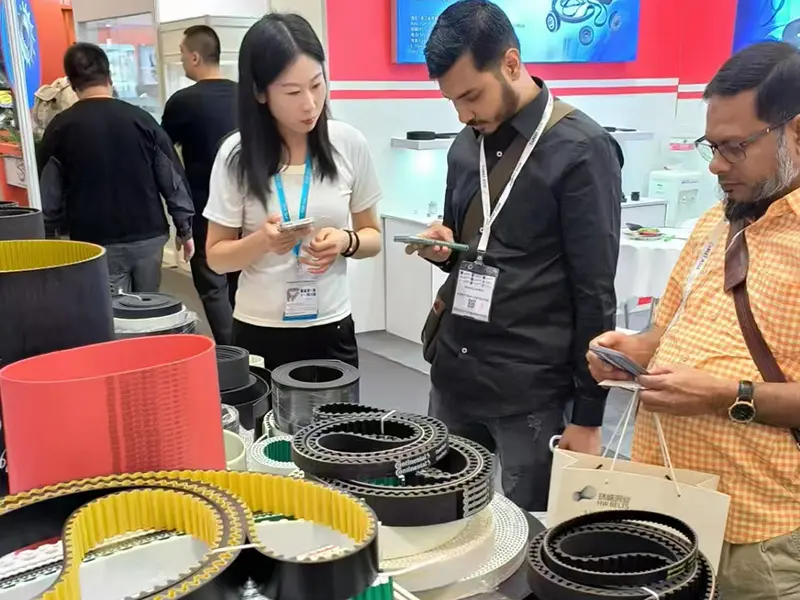
Streamlined supply chain logistics, rigorous quality audits, and compliance documentation for global buyers.
Procurement departments at large manufacturing companies require more than just a competitive quote; they need verified reliability, long-term stability, and complete engineering documentation. Over our 15-year history, Qingdao Huishi has developed a comprehensive service structure designed to simplify sourcing for international buyers:
Addressing the technical questions of mechanical engineers and procurement managers.
A: Standard metric T-series pulleys (such as T5 or T10) feature trapezoidal teeth, which can cause high stress concentrations at the tooth roots. HTD pulleys use a curvilinear tooth shape that distributes stress more evenly across the tooth. This design improves load capacity, minimizes tooth deflection, and reduces noise. As a result, HTD profiles are preferred for high-torque, industrial applications, while T-series are typically used for light positioning.
A: Material selection depends on your system's operating conditions. Aluminum (6061-T6 or 7075-T6) is lightweight with low rotational inertia, making it ideal for high-speed, fast-indexing systems like packaging machines or robotics. Carbon Steel (C45) is best for high-torque, heavy-duty applications where tooth wear must be minimized. Stainless steel (303 or 316) is recommended for washdown environments, chemical processing, and food processing applications due to its corrosion resistance.
A: Due to the slight side-to-side movement of timing belts during operation, flanges are used to keep the belt centered on the pulley. In standard two-shaft drive layouts, a single pulley with flanges on both sides is usually sufficient to guide the belt. In systems with long spans or multiple shafts, using flanged pulleys on alternating shafts can help maintain alignment without causing excessive belt edge wear.
A: Premature tooth wear is often caused by incorrect belt tension, misaligned shafts, or abrasive dust. Too much tension puts high radial loads on the teeth, while too little tension leads to tooth jumping and scraping. Misaligned shafts cause uneven loading along the tooth width. In dusty environments, using hardened materials (like induction-hardened steel) or protective surface coatings (such as hard anodizing or electroless nickel plating) helps extend pulley service life.
A: Yes. Our engineering and machining departments can manufacture custom pulleys from 2D drawings (DWG, PDF) and 3D CAD models (STEP, IGES). We customize dimensions, tooth counts, bore diameters, keyways, and weight-reduction holes to match your exact mechanical designs.
Complete your transmission systems with our high-durability industrial belts and lightweight conveying options.