In the competitive landscape of industrial manufacturing, choosing the right materials is crucial. "Pu Belting" has emerged as a top choice due to its incredible durability and versatility. Experts like Dr. Jane Morris, a leading authority in materials science, emphasize its importance: “Pu Belting enhances efficiency while ensuring longevity in industrial applications.”
Pu Belting is made from high-quality polyurethane, offering resistance to wear and tear. It remains flexible under various conditions, making it suitable for diverse industries. Manufacturing plants can rely on its performance for both light and heavy loads. This adaptability is essential for maintaining production schedules and reducing downtime.
However, it's important to consider the specific needs of your operation. Not every type of belting fits all scenarios. A thorough understanding of your requirements will lead to better decision-making. Investing in the right Pu Belting can yield significant returns. Therefore, careful evaluation and expert consultation are essential when exploring options in this field.
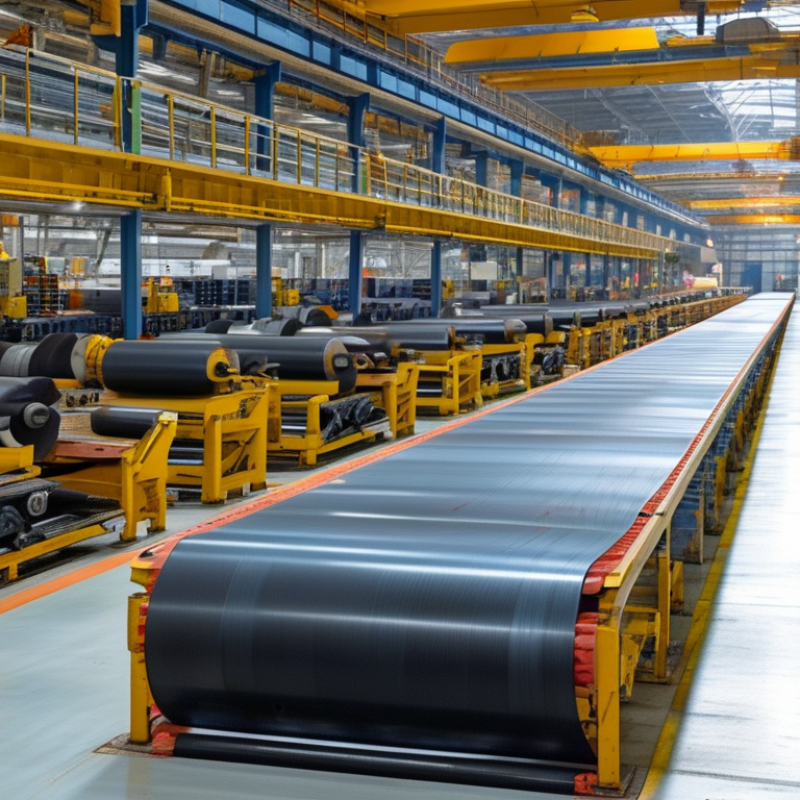
Benefits of PU Belting in Industrial Applications
PU belting is gaining popularity in various industrial settings due to its unique benefits. One of its primary advantages is durability. PU belts can withstand harsh conditions, including extreme temperatures and chemicals. This makes them ideal for diverse applications, from food processing to logistics. Their strong resistance to abrasion ensures a long lifespan, reducing the need for frequent replacements.
Another notable benefit of PU belting is its low maintenance requirement. Unlike traditional belts, they resist oil and water, making them easier to clean. This saves time and labor costs, enhancing overall productivity. Moreover, PU belts can contribute to a quieter operation, which improves the work environment for employees.
Tips for selecting PU belting include assessing the specific requirements of your application. Consider factors like load capacity and environmental conditions. Regularly inspect your belts for wear. A proactive approach can save costs in the long run. With ongoing advancements, staying informed about the latest developments in PU materials is wise. This will ensure you make the right choice for your industrial needs.
Why Choose Pu Belting for Your Industrial Needs? - Benefits of PU Belting in Industrial Applications
| Benefit |
Description |
Applications |
| Durability |
PU belting is resistant to wear and tear, ensuring longer lifespan compared to traditional materials. |
Manufacturing, Food Processing |
| Chemical Resistance |
PU belts can withstand various chemicals, making them suitable for diverse industrial environments. |
Chemical Processing, Automotive |
| Lightweight |
Being lighter than traditional belting materials, PU belts ease installation and operation. |
Packaging, Material Handling |
| Flexibility |
These belts can be easily molded to fit various equipment configurations. |
Conveyor Systems, Automation |
| Hygienic |
Non-porous material prevents bacterial growth, making it ideal for food-related industries. |
Food & Beverage Industry |
Key Characteristics of PU Belting That Enhance Performance
PU belting is gaining popularity in various industrial applications due to its remarkable characteristics. One of the most significant benefits of PU belting is its exceptional durability. This material can withstand wear and tear, making it ideal for demanding environments. Many factories have reported fewer disruptions thanks to the increased longevity of PU belts compared to traditional options.
Another key feature is the versatility of PU belting. It can be manufactured in a variety of thicknesses and widths, accommodating different machinery and conveyor systems. This adaptability allows manufacturers to customize solutions to fit specific needs. However, some users may overlook this aspect during installations, leading to compatibility issues.
Additionally, PU belting is resistant to various chemicals and temperature fluctuations. This resistance is crucial for industries dealing with oils, solvents, or extreme temperatures. Yet, not all PU belts are created equal. Users must pay close attention to specifications to ensure they select the right type for their specific requirements. The wrong choice can hinder performance, leading to unplanned maintenance and increased costs.
Key Characteristics of PU Belting That Enhance Performance
Comparative Analysis: PU Belting vs. Other Materials
When considering materials for industrial applications, PU belting stands out in several critical areas. Compared to traditional rubber belts, PU belting offers superior resistance to abrasion and chemicals. According to a report by the International Rubber Study Group, PU belts can resist wear and tear up to 30% better than rubber belts in intensive environments. This increased durability extends the operational lifespan of the belting, leading to lower replacement costs over time.
Another significant advantage of PU belting is its lighter weight. This factor can improve efficiency in conveyor systems, as lighter belts promote smoother operation and reduce energy consumption. Energy efficiencies can be significant; a study conducted by the Energy Department showed that using lighter materials in industrial settings can lead to a 15% reduction in energy use. However, while PU belts are highly effective, they may not always perform ideally in extreme temperatures. Their performance can degrade in environments below -20°C or above 80°C.
Furthermore, PU belting displays excellent flexibility and grip. This makes it suitable for a range of applications, including in food processing and packaging industries. Nonetheless, it's essential to acknowledge that while PU belting offers numerous advantages, its initial cost can be higher than alternatives. Evaluating the long-term benefits is crucial for making informed decisions in industrial settings. Ultimately, understanding these comparisons helps industries choose the right material for their unique needs.
Industries that Rely on PU Belting for Efficiency
PU belting has become a vital component across various industries. In manufacturing, logistics, and food processing, companies leverage PU belting for its durability and efficiency. A recent industry report indicated that around 70% of food manufacturers prefer polyurethane belts due to their resistance to chemicals and easy cleaning. This enhances hygiene, which is critical in food handling.
In logistics, PU belting plays a crucial role as well. A survey showed that nearly 65% of distribution centers use PU belts to minimize downtime and improve conveyor system performance. The lightweight nature of PU belting reduces energy consumption significantly. However, not all applications yield the same results. In environments with extreme temperatures, PU belts may not perform optimally, prompting businesses to assess their specific needs.
Furthermore, PU belts are favored in textile and packaging industries. Recent data suggested that about 60% of textile companies report increased production efficiency attributed to the use of PU belts. It’s important to recognize that while PU belting offers many benefits, selection should be based on individual operational requirements. Not every PU belt configuration will be suitable for all tasks, highlighting the need for careful consideration.
Guidelines for Selecting the Right PU Belting for Your Needs
When selecting the right PU belting for your industrial needs, consider the specific application it will serve. The right belting can enhance your production processes significantly. Think about the environment where the belting will operate. Will it be exposed to chemicals, moisture, or extreme temperatures? A detailed understanding of these factors is crucial for making the right choice.
Another important aspect is the load-bearing capacity. How heavy will the transported materials be? Make sure the width and thickness of the belt suit your requirements. Additionally, examine the surface properties of the belt. A textured surface can improve grip, while a smooth surface may reduce friction. Balancing these features often requires some trial and error, as one size does not fit all.
Lastly, evaluating the durability of the PU belting is essential. Some options may seem appealing but fail under specific conditions. Consider the long-term performance to avoid frequent replacements. It’s vital to gather feedback from colleagues in your industry. Understanding their experiences can illuminate potential pitfalls and best practices.
FAQS
: PU belting offers exceptional durability and can withstand wear and tear. It's ideal for demanding environments.
PU belting can be manufactured in various thicknesses and widths. This allows for tailored solutions for different machinery.
Yes, PU belting is resistant to many chemicals and temperature fluctuations. However, not all types are equal.
PU belting is widely used in manufacturing, logistics, and food processing. These sectors benefit from its efficiency.
Some users may overlook compatibility during installation. This can lead to issues with performance.
Its resistance to chemicals and ease of cleaning enhance hygiene, which is crucial for food processing industries.
Not always. In extremely high or low temperatures, PU belts may not perform optimally, requiring user assessment.
Around 70% of food manufacturers prefer polyurethane belts for their durability and chemical resistance.
The lightweight nature of PU belting significantly reduces energy use in logistics and distribution systems.
Selection should be based on specific operational requirements. Not every PU belt configuration suits all applications.
Conclusion
Pu Belting has become a popular choice for various industrial applications due to its numerous benefits, including durability, flexibility, and resistance to abrasion and chemicals. This type of belting is characterized by its excellent performance attributes, such as low friction and high tensile strength, which enhance operational efficiency in demanding environments. A comparative analysis reveals that PU Belting often outperforms other materials, making it an ideal option for industries like food processing, logistics, and manufacturing, where reliability and hygiene are paramount.
When selecting the right PU Belting for specific needs, it is essential to consider factors such as load requirements, environmental conditions, and intended use. By understanding these guidelines, businesses can effectively harness the advantages of PU Belting, ensuring optimal performance and productivity in their operations.
 Huishi
