Huishi
The Pu Belt Conveyor is a game changer in modern material handling. Businesses seek efficient and durable solutions. The rise of this technology reflects heightened demand for reliable logistics.
Understanding the features and benefits of the Pu Belt Conveyor is crucial. With advances in design, these conveyors offer reduced maintenance and ease of integration. They can handle diverse materials while maintaining efficiency. Buyers find that longevity and cost-effectiveness often outweigh initial investment concerns.
However, potential buyers should reflect on specific needs. Not every conveyor suits every operation. Analyzing unique operational requirements is essential. Ensuring that the Pu Belt Conveyor aligns with expected workflows can prevent future headaches. Investing in the right equipment is a significant decision, deserving careful consideration.
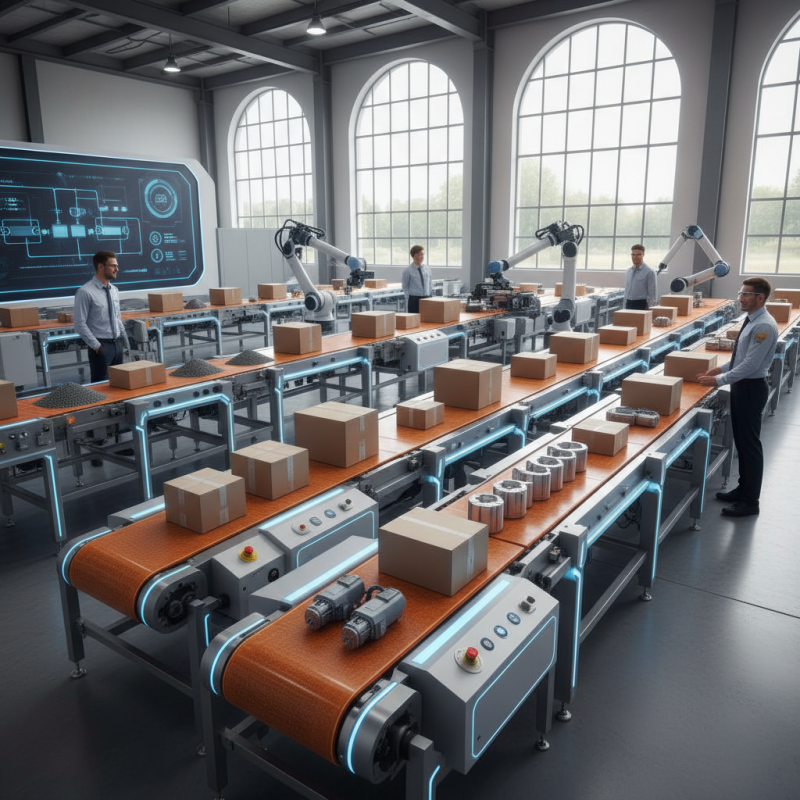
In 2026, the demand for PU belt conveyors continues to rise. These conveyors are valued for their efficiency and adaptability. They play a crucial role in various industries, from logistics to manufacturing. The key feature is their flexibility, allowing them to transport diverse materials effectively. This design reduces the risk of product damage during transit.
Another significant benefit is the durability of PU materials. They resist wear and tear better than other materials. This resilience results in lower maintenance costs over time. Additionally, PU belts are often lightweight, which enhances energy efficiency. However, buyers should consider the initial investment and assess long-term gains.
Safety features are vital as well. Many modern PU conveyors include safety guards and emergency stop buttons. It’s essential for buyers to evaluate how these features can impact workplace safety. Not all options are foolproof. Some models may not fully meet safety regulations. Researching and understanding these aspects is critical for making informed decisions.
PU belt conveyors offer numerous advantages for material handling in various industries. These conveyors are designed for durability and flexibility. They feature a polyurethane belt, which provides excellent wear resistance. This makes them ideal for transporting materials that may be abrasive or sticky.
With their lightweight construction, PU belt conveyors are easier to install and maintain. They can be easily integrated into existing systems, minimizing downtime. The low-friction surface of the PU belts reduces power consumption during operation. This energy efficiency can lead to significant cost savings over time. Furthermore, the smooth operation of these conveyors decreases the risk of damage to transported materials.
However, it is crucial to consider their limitations. PU belts may not perform well in extreme temperatures or certain chemical environments. Potential buyers should evaluate their specific needs before committing to a purchase. Understanding the environment in which the conveyor will be used is essential. This attention to detail can optimize performance and ensure longevity.
When considering PU belt conveyors, durability is a key factor for many buyers. These conveyors are built from high-quality polyurethane, which offers resistance to wear and tear. This means they can endure harsh operational environments without significant degradation. Such resilience reduces the frequency of replacements, ultimately lowering costs over time.
Maintenance is another critical aspect to address. Regular checks on the conveyor system can prevent unforeseen breakdowns. Users should inspect the components frequently, including the belt itself. Frayed edges or other damages can lead to greater issues down the line. However, some may overlook these routine inspections, which can be a costly oversight.
Another point of reflection is the cleaning process. PU belts are generally easier to clean than other materials, yet they can attract dirt and residues. Establishing a consistent cleaning schedule is vital. Failure to maintain cleanliness can impact efficiency and lead to more wear over time. The balance between durability and maintenance care is crucial for optimal performance.
PU belt conveyors have gained traction due to their cost-effectiveness in industrial applications. Recent industry reports show that these conveyors can reduce operational costs by up to 25% compared to traditional systems. This significant savings primarily stems from their durability and low maintenance requirements, which attract many buyers looking for long-term investments.
Another factor contributing to the appeal of PU belt conveyors is their versatility. They can be adapted for various applications, from food processing to heavy materials handling. This adaptability can yield higher returns on investment. For example, the lightweight design facilitates easier installation and reduces energy consumption by up to 15%. Lower energy expenses are particularly advantageous in today's energy-constrained market.
However, buyers should consider that while PU belt conveyors are generally reliable, they may not suit every environment. For instance, exposure to certain chemicals can affect the belt's longevity. A careful assessment of operational conditions is essential. Despite potential drawbacks, the efficiency of these conveyors often outweighs costs, making them a compelling choice for businesses seeking productivity without sacrificing quality.
In 2026, PU belt conveyors are set to advance significantly through innovative technologies. Industry reports indicate that the adoption of smart sensor technology can enhance operational efficiency by up to 25%. These sensors monitor various parameters in real-time, including load weight and belt speed. They help minimize downtime and prevent overload situations.
Moreover, the integration of AI-driven analytics allows for predictive maintenance. This technology analyzes data patterns to foresee potential equipment failures. Studies show that companies implementing predictive maintenance can reduce maintenance costs by as much as 15%. The accuracy of these analyses provides a layer of reliability that traditional methods cannot match.
However, the shift towards automation poses challenges. Not all workers are equipped with the skills needed to handle advanced systems. This skill gap may hinder adoption rates in some industries. As automation progresses, training programs must also evolve to ensure a competent workforce. Embracing technology will require both investment and a commitment to continual learning.
| Feature | Description | Benefits |
|---|---|---|
| High Flexibility | Able to adapt to various conveyor layouts and angles. | Optimizes space and allows for customized configurations. |
| Durability | Constructed with robust PU materials resistant to wear and tear. | Reduces maintenance costs and extends the lifespan of the conveyor. |
| Lightweight Design | Designed to be lighter than conventional belt materials. | Easier installation and operation, leading to lower energy costs. |
| Enhanced Grip | Special surface texture that increases friction. | Improves material handling and reduces slippage during transport. |
| Chemical Resistance | Able to withstand various chemicals used in industries. | Ensures reliability in harsh working environments. |
| Noise Reduction | Engineered to operate quietly compared to standard belts. | Creates a more pleasant working environment. |
: PU belt conveyors are durable and resist wear, reducing replacement frequency and costs in harsh environments.
Regular inspections are crucial. Users should check belts frequently for frayed edges or damage to avoid costly issues.
Cleaning prevents dirt buildup, which can impact efficiency and increase wear. A regular cleaning schedule is essential.
Smart sensors can enhance efficiency by monitoring parameters in real-time, reducing downtime and preventing overload.
AI-driven analytics help predict maintenance needs by analyzing data, which reduces maintenance costs significantly.
Many workers may lack the necessary skills for advanced systems, potentially slowing down automation adoption.
Companies must invest in training programs to ensure workers are equipped for new technologies and continuous learning.
Overlooking inspections can lead to unexpected breakdowns, resulting in costly repairs and production delays.
Durable PU belts diminish the need for replacements, which can save significant costs over time, despite initial expenses.
Many users neglect consistent cleaning, which can lead to decreased efficiency and increased overall wear on the system.
The article discusses the essential features and advantages of PU Belt Conveyors in 2026, highlighting their role in enhancing material handling efficiency. Key features include their versatility and adaptability in various industrial settings, making them suitable for transporting a wide range of materials. The benefits of using PU Belt Conveyors extend beyond their operational capabilities; they offer significant durability and low maintenance requirements, ensuring cost-effectiveness for buyers in the long term.
Furthermore, the article explores innovative technologies that are set to enhance the performance of PU Belt Conveyors, focusing on advancements that increase their efficiency and reliability. With a growing emphasis on sustainability and operational efficiency, PU Belt Conveyors are becoming an indispensable choice for businesses looking to optimize their material handling processes while managing costs effectively.