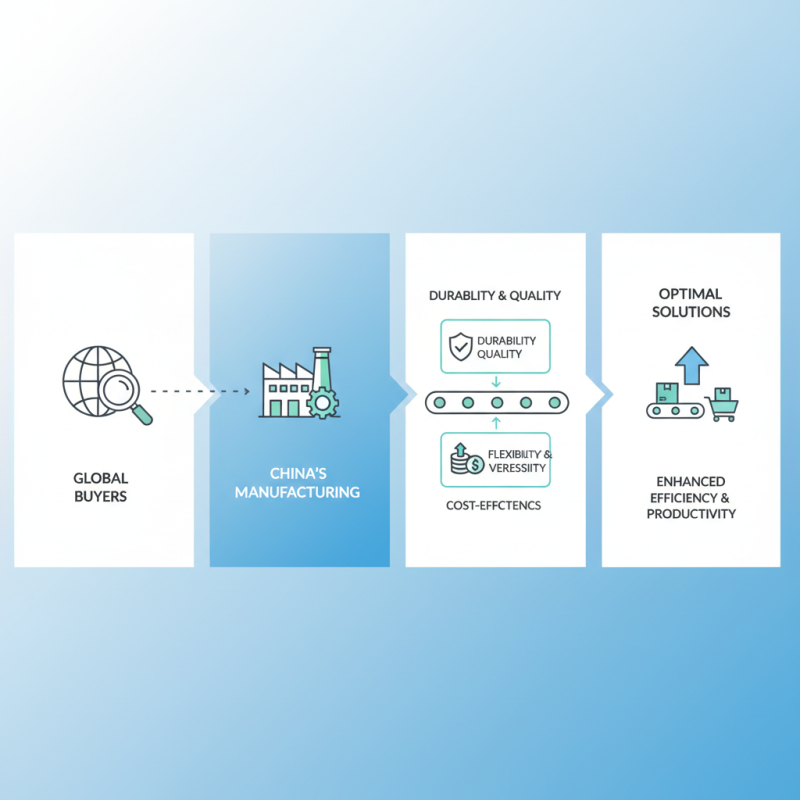
In the dynamic world of industrial machinery, the choice of a conveyor belt is crucial. High-quality conveyor belts enhance efficiency and productivity. China has emerged as a leading producer, offering a variety of options tailored for global buyers.
These conveyor belts cater to various industries, from mining to food processing. Buyers often seek durability, flexibility, and cost-effectiveness. China's manufacturing prowess ensures that these needs are met with precision. However, not all manufacturers maintain the same standards.
Sourcing reliable conveyor belts requires careful consideration. Researching suppliers is essential to avoid potential pitfalls. Ensuring that the chosen product meets international standards helps in achieving long-term success. The goal is clear: to find conveyor belts that combine quality and reliability in a competitive market.
Top Quality Conveyor Belts: An Overview of Chinese Manufacturers
When exploring top-quality conveyor belts from China, the focus is on manufacturing excellence and innovation. Many Chinese manufacturers lead the market with advanced technology. They produce belts that cater to diverse industries, including food processing, automotive, and agriculture. These manufacturers often invest heavily in research and development to enhance durability and efficiency. Understanding their capacity is crucial for global buyers.
However, the quality of products can vary significantly. Not all manufacturers maintain high standards, which may affect reliability. Buyers should conduct thorough due diligence when selecting suppliers. It's essential to assess certifications and customer reviews. Engaging in direct communication can provide insights into the manufacturer’s practices and capabilities. A collaborative approach can help mitigate risks and ensure quality.
While many manufacturers boast impressive facilities, the oversight in quality control processes can be concerning. It’s important for buyers to inquire about testing methods and materials used. Transparency in operations often reflects a manufacturer’s commitment to quality. Ultimately, choosing the right supplier is essential for ensuring that the conveyor belts meet global standards and expectations.
Market Demand for Conveyor Belts: Growth Trends and Statistics
The conveyor belt market has witnessed notable growth in recent years. This is largely due to the increase in industrial automation globally. As more factories and warehouses adopt advanced technology, there is a rising demand for high-quality conveyor belts. They are crucial for efficient material handling and production processes.
According to industry statistics, the growth rate is expected to remain strong. Many sectors, including manufacturing and logistics, require durable and reliable conveyor systems. This trend highlights the need for buyers to focus on quality when sourcing conveyor belts. However, choosing the right product can be challenging.
**Tip:** Always request samples before making bulk purchases. Testing a small quantity can reveal product durability and reliability.
Many buyers may overlook the importance of proper specifications. Understanding the unique needs of your operation is critical. Conveyor belts come in various materials and sizes. Each application may require a tailored solution for optimal performance.
**Tip:** Keep abreast of industry developments. Regularly review market reports and statistics to stay informed about trends. Being proactive can lead to better purchasing decisions.
Making informed choices will ultimately contribute to operational efficiency and cost-effectiveness. Consider these factors before committing to any supplier.
Quality Standards in Conveyor Belt Production: What to Expect
When considering conveyor belt production, quality standards play a pivotal role. Buyers should recognize that materials used in manufacturing significantly impact durability and performance. Typically, high-quality conveyor belts are made from synthetic fabrics, rubber compounds, or polymers, which enhance strength and resistance to wear. Understanding the characteristics of these components is vital for making informed purchasing decisions.
The production process itself often requires stringent quality control measures. Tests for tensile strength, abrasion resistance, and flexibility are common practices. Buyers should expect certifications from manufacturers, verifying standards compliance. However, not all companies maintain the same level of rigor. Some manufacturers may prioritize cost over quality, leading to inconsistent products. Research into the manufacturer's reputation can aid in avoiding pitfalls.
Quality assurance does not end with production. Regular inspections and maintenance are essential once belts are in operation. Companies must adopt a proactive approach to ensure longevity. It’s also important to note that the market’s demand for eco-friendly solutions is on the rise. This shift indicates a need for ongoing evaluation of production methods and materials. Buyers should engage in discussions on sustainability with potential suppliers, as this can influence both quality and environmental impact.
Quality Standards in Conveyor Belt Production
Comparative Analysis: China vs Global Competitors in Conveyor Belt Supply
When considering conveyor belts, China is a prominent player in the global market. Its manufacturing capabilities offer affordability and a wide variety of options. However, quality control can sometimes be an issue. Many manufacturers lack consistent standards, leading to product variability. Buyers must navigate these challenges to find reliable suppliers.
Contrastingly, Western manufacturers often emphasize stringent quality assurance. This provides a level of reliability that some suppliers in China may struggle to match. However, higher production costs can make these products less accessible. Global buyers face a dilemma: choose cost-effective options or invest further for guaranteed quality.
The landscape of conveyor belt supply is complex. Chinese manufacturers are improving, but not all meet international standards. Some companies excel in innovation, while others may lag. Buyers should educate themselves and seek out trustworthy partners. Transparency in production processes is vital. Balancing cost and quality remains a challenge for many in the industry.
Case Studies: Successful Global Buyers of Chinese Conveyor Belts
When exploring the global market for conveyor belts, it’s interesting to analyze case studies of successful buyers. Reports indicate that, in the past five years, about 30% of industrial users have turned to Chinese suppliers for their conveyor belt needs. These buyers often cite competitive pricing and quick delivery as key factors in their decisions.
One notable case involved a large manufacturer in Europe. They faced escalating costs with local suppliers. They shifted to a Chinese supplier and saw significant savings, reducing costs by nearly 25%. This move also allowed them to customize their belts for specific applications. Yet, they also encountered challenges. Communication issues occasionally arose, leading to delays. Feedback indicated that while the quality met their standards, improvements in service could enhance the overall experience.
Another buyer, an American retailer, reported success after switching suppliers amid rising competition. They found that the Chinese conveyor belts offered durability and efficiency. However, they noted the need for careful quality checks upon arrival. Though the initial trials were promising, they experienced some variations in product dimensions. Such experiences highlight the importance of establishing a clear quality assurance process when working with international suppliers.
FAQS
: The growth is driven by increased industrial automation and the demand for efficient material handling.
Buyers should request samples and test small quantities to assess durability and reliability.
Proper specifications cater to unique operational needs and ensure optimal performance for specific applications.
Regularly review market reports and statistics to stay updated on industry developments.
Some buyers report up to 25% savings when shifting from local to international suppliers.
Communication issues and product variations can lead to delays and quality concerns.
A clear quality assurance process is vital to ensure consistent product quality upon arrival.
No, different applications require tailored solutions based on material and size specifications.
While quality may meet standards, buyers often suggest improvements in service and communication.
It's important to assess operational needs carefully and weigh cost against quality.
Conclusion
The article "Top Quality Conveyor Belts from China for Global Buyers" provides a comprehensive overview of the conveyor belt industry, focusing on the strengths of Chinese manufacturers. It highlights the growing market demand and statistical trends, showcasing how this sector is expanding globally. The discussion includes the quality standards prevalent in conveyor belt production, which consumers can expect when sourcing from China.
Furthermore, a comparative analysis reveals how Chinese conveyor belts measure up against global competitors, emphasizing their cost-effectiveness and reliability. Through case studies, successful global buyers are showcased, demonstrating the practicality and performance of Chinese conveyor belts in diverse applications. Overall, the article serves as a valuable resource for buyers looking to make informed decisions in procurement.
 Huishi