Huishi Huishi

What Is a PU Belt Conveyor?

Time:2026-11-02 Author:Liam
0%

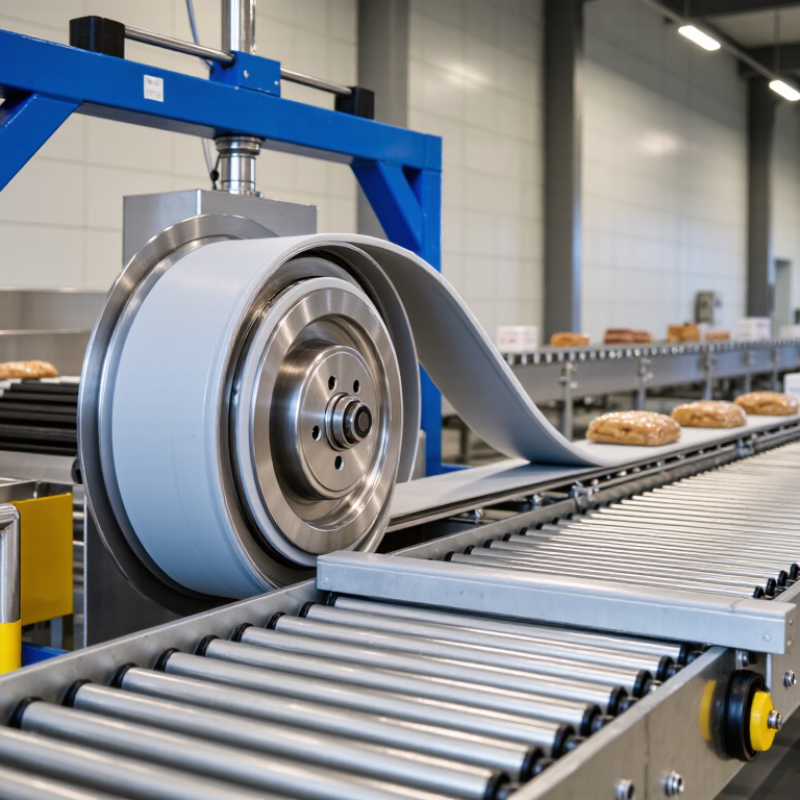
What Is a PU Belt Conveyor? It is a conveyor system fitted with a belt whose carrying surface is made from polyurethane, commonly called PU. The belt runs over rollers or a slider bed, moving products between workstations with steady, controlled motion. PU surfaces are valued for their smooth finish, flexibility, and resistance to oils and everyday abrasion. The right belt, however, depends on the job. A small bakery may need a hygienic, easy-to-clean surface, while a packaging line may prioritize grip and accurate product spacing. Belt thickness, reinforcement, pulley diameter, and operating temperature all matter.

“Choose the belt for the product, the cleaning routine, and the conditions it will actually face.” This is an illustrative summary, not a verified quotation, attributed here to fictional conveyor specialist Alex Morgan. It captures an important point: material labels alone do not prove that a belt suits a particular line. Buyers should confirm food-contact suitability where relevant, chemical compatibility, required friction, and cleaning methods with the manufacturer. Installation matters too. Poor tracking can wear belt edges, and an overly tight belt can strain components. Small details become costly when a line runs all day.

A PU Belt Conveyor can support clean, precise product handling in food processing, pharmaceuticals, electronics, and general packaging. Yet PU is not automatically the best option for every environment. Heat, sharp edges, heavy loads, or aggressive chemicals may call for another belt construction. Start with the product and operating conditions, then compare specifications and maintenance needs. A careful selection saves trouble. And sometimes, the first choice needs revisiting after a real production trial.
What Is a PU Belt Conveyor?

What Is a PU Belt Conveyor?

A PU belt conveyor moves products on a belt with a polyurethane surface, usually supported by fabric reinforcement. The belt runs over a drive pulley and rollers, carrying items through production, packing, or inspection areas. Its surface can offer useful resistance to abrasion, oils, and repeated cleaning, depending on the belt’s formulation and construction. It is often chosen for food handling and small-product lines, where a smooth surface helps limit debris traps. A small detail matters: “PU” alone does not guarantee food-contact suitability.

Operators should match the belt to the product, cleaning agents, temperature, load, and pulley diameter. A soft belt may grip delicate items, but it can wear faster under sharp edges or heavy scraping. Check the splice, edge condition, and tracking during routine inspections. Belt life depends on the whole system, not just its material. That distinction is easy to miss.

The market context is growing: Grand View Research estimated the global conveyor system market at USD 7.6 billion in 2023, with a projected 5.9% compound annual growth rate from 2024 to 2030. This figure covers conveyor systems broadly, not PU belts specifically. It signals wider investment in material handling, but does not prove that PU suits every line. A short trial under real operating conditions can reveal problems that a catalogue cannot.

What Materials and Components Make Up a PU Belt Conveyor?

What Is a PU Belt Conveyor? What Materials and Components Make Up a PU Belt Conveyor?

A PU belt conveyor uses a belt with a polyurethane (PU) conveying surface. Beneath that surface, a textile carcass, often polyester or polyamide, provides strength and helps the belt hold its shape. Some belts use a solid PU construction instead. The right design depends on the load, belt width, operating temperature, and cleaning routine. Details matter. PU can resist abrasion and oils, but performance varies by formulation and belt thickness. A smooth surface may suit small packaged goods, while cleats or sidewalls can help control items on an incline.

The belt runs over a drive pulley and support rollers or a slider bed. A motor and gearbox turn the drive pulley; bearings support rotating parts, while a tensioning system keeps the belt tracking properly. The frame may be stainless steel, aluminum, or coated steel, depending on the environment. Guides, scrapers, and sensors can be added for product control and monitoring. These parts need to match the belt and expected load. A small alignment error can cause edge wear, and it is easy to overlook during installation.

Tips: Check the belt maker’s technical data for temperature, chemical, and cleaning compatibility. If the conveyor handles food, verify the specific belt’s suitability; PU alone does not guarantee it. Test tracking under a real load.

What Is a PU Belt Conveyor? — Materials and Components

Material or Component Typical Construction or Examples Function in the Conveyor Practical Notes
PU belt top cover Food-contact-grade thermoplastic polyurethane (TPU) is commonly used as the belt’s conveying surface. Provides a flexible, wear-resistant surface for carrying products. PU belt is a common industry term; many such belts use TPU. Suitability for food contact depends on the specific belt construction and applicable regulations.
Reinforcement layer Woven polyester fabric is widely used; some belt designs use other textile reinforcements. Provides tensile strength and helps the belt maintain its shape under load. The number and type of fabric plies affect belt strength, flexibility, and minimum pulley diameter.
Belt underside A PU coating, textile surface, or other specified backing, depending on the belt design. Contacts the slider bed or rollers and influences friction and belt tracking. Choose the underside to match the conveyor support surface and operating conditions.
Belt splice or joint Common options include an endless welded joint or a mechanical fastener. Joins the belt ends to form a continuous loop. Endless joints provide a smooth conveying surface; mechanical joints can make installation or belt replacement easier in some systems.
Drive pulley Typically a machined steel or stainless-steel pulley; its surface may be smooth or coated. Transfers drive torque to the belt through friction or a positive-drive profile. Pulley diameter and surface design should be compatible with the belt type and required traction.
Tail and idler rollers Steel, stainless steel, or engineered polymer rollers with suitable bearings. Support, guide, or redirect the belt at the conveyor ends and along the frame. Roller alignment and bearing condition help reduce tracking problems and unnecessary belt wear.
Conveyor frame Common materials include painted or coated steel, stainless steel, and aluminum profiles. Supports the belt, rollers, drive, and conveyed load. Material selection depends on load, cleaning method, corrosion exposure, and the operating environment.
Slider bed or support surface A flat plate or wear strip, often made from steel, stainless steel, or low-friction polymer. Supports the carrying side of the belt where a roller bed is not used. Surface finish and friction affect power demand, belt temperature, and wear.
Drive motor and gearbox An electric motor paired with a gearbox, selected for the required speed and torque. Supplies controlled motion to the drive pulley. Motor sizing depends on conveyor length, load, speed, incline, and starting conditions.
Belt tensioning and tracking parts Adjustment screws, take-up units, crowned pulleys, or tracking guides, depending on the design. Maintain suitable belt tension and help keep the belt centered. Excessive tension can stress the belt and bearings; tracking adjustments should follow the conveyor maker’s operating instructions.
Guards and safety devices Fixed or interlocked guards, emergency-stop devices, and other application-appropriate safeguards. Help protect operators from moving parts and allow the conveyor to be stopped in an emergency. Safeguards should be selected and installed in accordance with applicable workplace safety requirements.

How Does a PU Belt Conveyor Move Products?

What Is a PU Belt Conveyor?
How Does a PU Belt Conveyor Move Products?

A PU belt conveyor moves products by circulating a flexible polyurethane belt around drive and tail pulleys. A motor turns the drive pulley, and friction transfers that motion to the belt. The upper belt run carries items forward while rollers or a support bed hold it in position. Simple, but not effortless.

Products ride directly on the belt surface. A flat carton may travel steadily, while a small bottle can wobble if the belt accelerates too quickly. Side guides help keep items aligned, and sensors can control when products enter or leave a section. Their placement matters; a sensor set too high may miss a low-profile package.

Belt tension and tracking also affect movement. If the belt drifts sideways, edges can rub against the frame, causing wear and uneven travel. Operators typically check alignment, clean the surface, and adjust tension according to the conveyor design. Even then, real products behave differently from test pieces. A damp or dusty belt may provide less grip, so speed and loading need practical checks.

Where Are PU Belt Conveyors Commonly Used?

What Is a PU Belt Conveyor?
Where Are PU Belt Conveyors Commonly Used?

A PU belt conveyor uses a polyurethane belt to move products between workstations or through production lines. Its smooth surface and flexibility suit many light- and medium-duty applications. Food processing is a common setting: bakeries use these conveyors to carry dough pieces and cooled loaves, while packaging lines move sealed trays toward inspection. Some belts are designed for food contact, but suitability depends on the belt’s specific certification and cleaning requirements.

Pharmaceutical and cosmetics facilities often use PU conveyors to transfer cartons, bottles, and small containers. Electronics assembly lines may use them for circuit boards or components that need steady, controlled movement. In distribution areas, they can carry parcels between sorting and packing stations. That matters. Operators should match belt width and speed to the product; small items can shift or catch if the setup is poorly suited.

PU belts are not a universal choice. Frequent washdowns, oily products, sharp edges, or high temperatures can affect belt life, so the operating conditions deserve careful review. A clean-looking surface can still hide wear near a splice or edge. Small details count. Checking the belt, tracking, and cleaning method regularly helps reduce unexpected stops, though maintenance needs vary with the line and product.

What Is a PU Belt Conveyor? Where Are PU Belt Conveyors Commonly Used?

A PU belt conveyor uses a belt with a polyurethane (PU) surface to move goods. PU belts are often chosen for their cleanable surface, abrasion resistance, and suitability for handling packaged or food products.

The 1–5 ratings are illustrative qualitative comparisons, not market-share figures or a measured industry survey. Actual suitability depends on belt construction, operating conditions, and applicable hygiene requirements.

What Factors Affect PU Belt Conveyor Selection and Maintenance?

What Is a PU Belt Conveyor?

What Factors Affect PU Belt Conveyor Selection and Maintenance?

A PU belt conveyor uses a polyurethane belt to move products through a production line. Selection starts with the product itself: its weight, shape, surface, and contact conditions. A belt carrying small cartons may need different support from one moving wet components. Check the required width, speed, incline, and pulley diameter, too. Details matter.

Temperature and cleaning methods also affect belt life. PU formulations vary, so confirm the belt’s stated limits rather than assuming every PU belt handles heat, oils, or cleaning chemicals equally well. If products touch the belt directly, assess hygiene needs and the cleaning routine. A belt that looks suitable on paper may prove awkward to clean around its joints.

Maintenance begins with regular observation. Look for frayed edges, cracked or lifting joints, unusual tracking, and residue near rollers. Clean with methods compatible with the belt material, then check tension without overtightening; excess tension can strain the belt and bearings. Small changes can matter. Record recurring wear and check alignment after adjustments. One judgment call remains: inspection intervals depend on operating hours, product debris, and washdown frequency, so a fixed schedule may need revision. That part is easy to overlook.

FAQS

What is a PU belt conveyor?

It moves products on a polyurethane belt supported by fabric reinforcement. The belt runs over pulleys and rollers. Details matter.

What products are PU belt conveyors commonly used for?

They often carry small products through production, packing, or inspection areas. A smooth surface can help reduce debris traps.

Does a PU belt automatically meet food-contact requirements?

No. “PU” alone does not confirm food-contact suitability. Check the belt’s specifications and assess the actual product contact.

What should I consider when choosing a PU belt?

Match the belt to product weight, shape, and surface. Check required width, speed, incline, pulley diameter, and operating temperature. Small differences matter.

How can cleaning affect belt life?

Cleaning agents and washdown routines can affect belt materials differently. Confirm the belt’s stated limits before use. A belt may be awkward to clean around its joints.

What should routine inspections cover?

Look for frayed edges, cracked or lifting joints, tracking changes, and residue near rollers. Check alignment after adjustments. It is easy to overlook the joint.

Can too much belt tension cause problems?

Yes. Excess tension can strain the belt and bearings. Adjust carefully, rather than tightening by habit.

How can I tell whether a belt suits my line?

Run a short trial under real operating conditions. Watch for wear, slipping, cleaning difficulties, and tracking issues. A catalogue cannot show everything.

What does the conveyor market estimate say about PU belts?

One estimate valued the global conveyor system market at USD 7.6 billion in 2023, with projected annual growth of 5.9% through 2030. It covers conveyor systems broadly, not PU belts specifically.

Conclusion

A Pu Belt Conveyor is a system that uses a flexible polyurethane belt to carry products smoothly between work areas. Its main parts typically include the belt, a supporting frame, rollers or pulleys, a drive motor, and controls. The motor turns the drive pulley, moving the belt and guiding items along a steady path. Depending on the setup, products may travel horizontally or along a gentle incline, with guides or other accessories helping keep them in place.

Pu Belt Conveyors are commonly used in food processing, packaging, pharmaceuticals, and general manufacturing, especially where a clean, durable conveying surface is important. Choosing a suitable system involves considering the products’ size, weight, shape, operating environment, required speed, and cleaning needs. Routine maintenance—such as inspecting the belt and rollers, checking alignment and tension, and cleaning the surface appropriately—helps reduce wear, maintain reliable movement, and extend the conveyor’s service life.

Liam

Liam

Liam is a dedicated marketing professional with a profound expertise in the industry, where he excels at highlighting the unique advantages of our core products. With a keen understanding of market trends and consumer needs, Liam frequently updates our company’s professional blog, providing......