Huishi
Choosing the right Polyurethane Timing Belt is crucial for enhancing the efficiency and lifespan of machinery. According to a recent report by the Timing Belt Manufacturers Association, the polyurethane timing belt market is projected to grow by 8% annually. This growth emphasizes the demand for high-quality belts that meet specific industry needs.
Experts like John Anderson, a lead engineer at GearTech Industries, emphasize the significance of material selection. He states, "The perfect polyurethane timing belt can drastically improve operational performance and reduce downtime." This highlights the importance of understanding the properties of the belt, such as its tensile strength and wear resistance.
Selecting a Polyurethane Timing Belt requires careful consideration. Factors like load capacity and application type play critical roles. It's essential to evaluate these aspects to avoid potential failures. For many users, the decision process can be overwhelming, leading to choices that may not align with operational requirements. This underscores the need for reflective evaluation in the selection process.
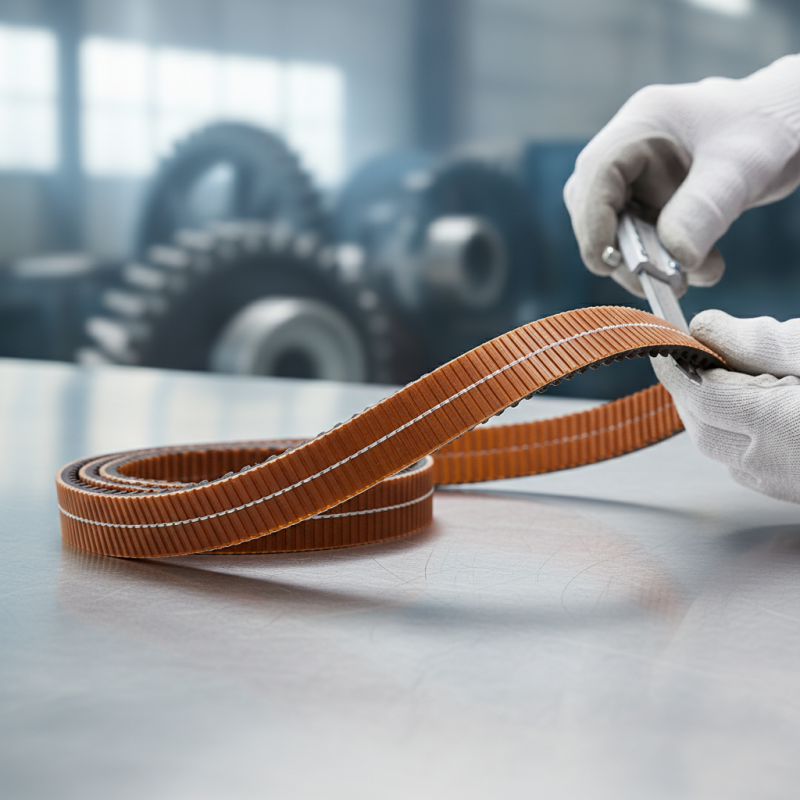
Polyurethane timing belts are vital components in various machinery and automotive applications. They are known for their durability and resistance to wear. According to industry reports, polyurethane belts offer a lifespan that can exceed 50% longer than traditional rubber belts. This long-lasting performance is a primary reason engineers choose polyurethane over other materials.
When selecting a polyurethane timing belt, consider its load capacity. Many belts support considerable tension while remaining flexible. This versatility enables use in diverse settings, from industrial equipment to high-performance vehicles. It's crucial to match the belt's specifications with your machinery's needs. Substandard choices can lead to premature failures and increased downtime.
**Tips:** Always evaluate the temperature range of the belt. Polyurethane can handle extreme conditions better than rubber. Test the belt under real conditions to ensure it meets your expectations. Pay attention to the manufacturing quality. A belt with inconsistent thickness may not perform effectively and could lead to issues.
Another critical aspect is the belt's resistance to chemicals. Many environments expose belts to oils and solvents. Selecting a belt with the appropriate chemical resistance can prevent degradation. It's important to review technical data sheets provided by manufacturers to assess this factor accurately.
When selecting a polyurethane timing belt, several key factors must be considered for optimal performance. Material quality plays a pivotal role. Polyurethane belts are known for their durability and resistance to wear. However, not all polyurethanes are equal. Understanding the specific application requirements is essential. The operational environment, such as temperature and exposure to chemicals, can affect belt longevity.
Another significant factor is the belt’s tensile strength. A belt with higher tensile strength can handle more load and stress. It's crucial to match the belt's capacity to the machine's requirements. An underpowered belt may lead to premature failure. Regular assessment of the belt's condition is also vital. Look for signs of wear or stretch that could indicate it’s time for a replacement.
Additionally, the design of the timing belt is important. Different applications require varying tooth profiles. These profiles impact grip and efficiency. Choosing the wrong design can result in slippage or noise during operation. Reflect on how modifications in your system might influence belt performance. A thoughtful approach leads to better reliability and efficiency in your machinery.
When selecting a polyurethane timing belt, it's essential to compare it with other materials like rubber and silicone. Polyurethane belts often offer superior durability. According to industry reports, they can last up to three times longer than rubber belts in certain applications. This longevity stems from their resistance to abrasion and cutting, making them ideal for high-tension environments.
However, it's crucial to acknowledge that not all applications benefit equally from polyurethane. In some cases, the rigidity of a polyurethane belt can lead to reduced flexibility. This could be problematic in systems requiring tight bends. Additionally, while polyurethane can handle higher loads, it may not perform well at extreme temperatures. A detailed examination of the operating environment is necessary.
To make an informed choice, consider the specific needs of your machinery. An industrial survey indicated that approximately 40% of users experienced wear issues due to inappropriate material selection. Testing different materials in real-world conditions can highlight the best option for your needs. Balancing strength and flexibility while being aware of environmental constraints is vital in this decision-making process.
Choosing the right polyurethane timing belt involves a thorough assessment of compatibility with your machinery. A study by the Power Transmission Distributors Association (PTDA) indicates that approximately 30% of equipment failures stem from mismatched components. Paying attention to your machinery's specifications is crucial.
Start by evaluating load capacities, as polyurethane belts offer various strength ratings. Analyze your application's requirements. For instance, if you're operating in high-humidity environments, specific polyurethane compounds can withstand moisture better than others. Performance in temperature variations is another critical factor; belts designed for extreme temperatures prevent premature wear.
Compatibility with drive systems is another area that deserves attention. A recent report by the American Society of Mechanical Engineers (ASME) reveals that improper belt selection can lead to a 20% increase in maintenance costs. It's essential to consult user manuals and technical specifications. Sometimes, a detailed analysis will reveal discrepancies that could affect longevity and efficiency. Consider taking a proactive approach to ensure you choose the ideal timing belt that aligns perfectly with your machinery's needs.
When choosing a polyurethane timing belt, it’s essential to evaluate its durability and performance specifications. Polyurethane belts offer high resilience against wear and tear. They can withstand significant loads and maintain their shape under stress, which is crucial for machinery applications. It’s important to check the tensile strength ratings. Higher figures indicate better performance in demanding situations.
Another critical factor is the belt’s resistance to environmental factors. Exposure to chemicals or extreme temperatures can affect belt longevity. Look for belts designed specifically for harsh conditions. In practical settings, understanding the context of belt usage can inform decisions. Some users may find that lower-cost options wear out faster, leading to increased maintenance.
Finally, consider the compatibility of the belt with existing equipment. Not all belts fit all applications. Take the time to assess not just specifications but also user experiences. This insight can reveal potential issues. Engaging with experts or reading reviews can provide valuable perspectives. The right choice often comes down to balancing specifications with real-world performance.
: They are known for their durability and resistance to wear.
They can exceed a lifespan that's 50% longer than traditional rubber belts.
Consider the load capacity, tensile strength, and design profile of the belt.
Polyurethane handles extreme conditions better than rubber, affecting performance.
Selecting a belt with chemical resistance can prevent degradation in harsh environments.
Mismatched components can lead to approximately 30% of equipment failures.
Regularly check for signs of wear or stretch that may indicate it's time for a replacement.
Different tooth profiles impact grip, efficiency, and can prevent slippage or noise.
Choose a polyurethane compound that can withstand moisture better in such environments.
It helps ensure ideal compatibility, reducing maintenance costs and enhancing efficiency.
When selecting a Polyurethane Timing Belt, it's essential to understand the fundamentals of this specialized component. Polyurethane timing belts are known for their flexibility and strength, making them suitable for various applications. Key factors to consider include the belt's tension capacity, tooth profile, and the environmental conditions it will face. Additionally, comparing polyurethane with other materials can help determine the best option based on specific needs.
Compatibility with your machinery is crucial; ensure that the timing belt matches your equipment's specifications and operational requirements. Finally, evaluating the durability and performance specifications of the timing belts available will provide insights into their longevity and efficiency, ensuring optimal performance in your applications.
