
Huishi
The Food Grade PU Conveyor Belt plays a pivotal role in various industries. It is critical in food processing, ensuring safety and hygiene throughout operations. This belt is designed with materials that are safe for food contact, complying with health regulations.
In food production, maintaining cleanliness is paramount. A Food Grade PU Conveyor Belt minimizes contamination risks. Its smooth surface allows for easy cleaning and reduces bacteria buildup. This feature is essential in maintaining product integrity.
Businesses must prioritize choosing the right conveyor belt. An incorrect choice can lead to costly safety breaches. Understanding the importance of a Food Grade PU Conveyor Belt is crucial for quality assurance. Investing in reliable products not only protects consumers but also builds brand loyalty.
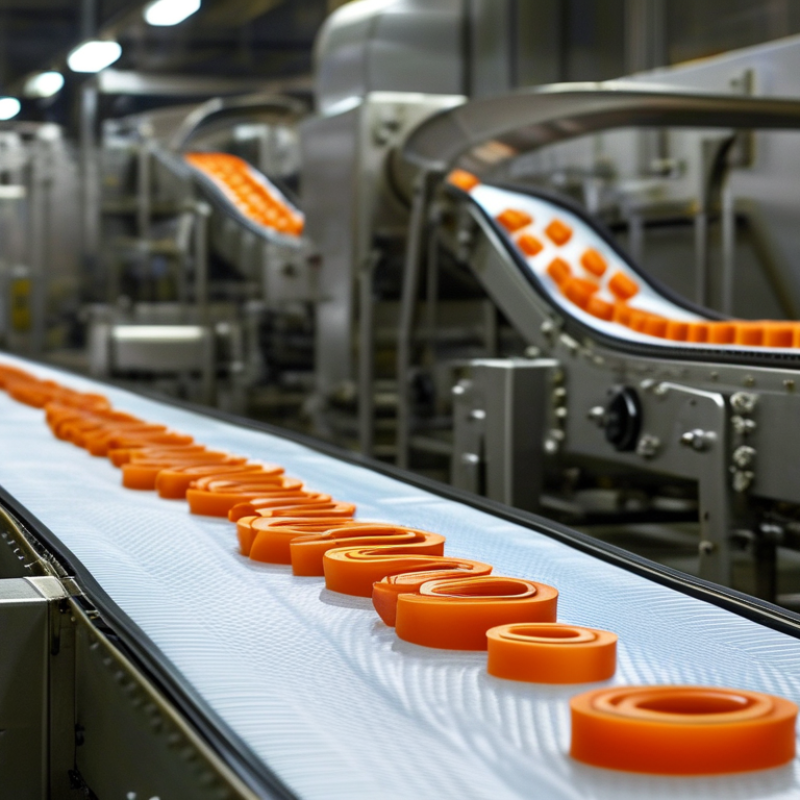
Food Grade PU Conveyor Belts are specialized transport solutions designed for food processing industries. These belts are made from polyurethane, a material known for its durability and safety in food handling. According to a report by MarketsandMarkets, the global food conveyor systems market is expected to reach $40.1 billion by 2026, indicating a growing demand for safe and efficient food transport.
These belts meet stringent safety and hygiene standards. They are easy to clean and resistant to oil and grease, ensuring that food products are not contaminated during transportation. In a survey by the Food Safety and Inspection Service, 60% of food manufacturers cited the importance of reliable conveyor systems in preventing contamination. This highlights a critical aspect of food safety that often gets overlooked.
However, the reliance on these conveyor belts raises questions about maintenance and inspection practices. Regular checks are essential to avoid wear and tear that could lead to food contamination. A study from the International Journal of Food Microbiology emphasizes that compromised conveyor systems can significantly increase foodborne illness risks. This shows the delicate balance between efficiency and safety that industries must navigate.
Food grade PU conveyor belts are designed specifically for the food industry. They are made from polyurethane, a material that offers a range of benefits. One key characteristic of food grade PU material is its resistance to chemicals. This ensures that food products are not contaminated during transport. Additionally, the surface of these belts is smooth, which facilitates easy cleaning. This reduces the risk of bacterial growth, an essential aspect for food safety.
Another important feature is the flexibility of PU. It can easily adapt to various production setups. The belts can run on different types of machinery without issue. However, potential drawbacks include temperature sensitivity. Extremely hot or cold environments may affect the belt's performance. Users must assess the specific conditions of their facilities to ensure optimal use.
Durability is also a crucial factor. Food grade PU conveyor belts can withstand wear and tear, but they require regular maintenance. Over time, even the best materials can degrade. Regular inspections can help prevent unexpected breakdowns. Thoughtful attention to these characteristics can significantly enhance food processing operations.
Food grade PU conveyor belts play a crucial role in the food industry. They are designed to handle various food items safely. This material is non-toxic and complies with food safety standards. The belts are resistant to oils and fats, which makes them suitable for diverse applications. They help keep food products safe during transportation.
In bakeries, food grade PU conveyor belts are essential. They handle dough, baked goods, and pastries. These belts prevent contamination while ensuring hygiene. In meat processing, they transport raw and cooked products. The belts withstand cleaning chemicals, which is vital for maintaining sanitation. Their durability reduces replacement costs over time.
In dairy processing, these conveyor belts support milk and cheese handling. They prevent spills and maintain product integrity. In vegetable packing, they aid in sorting and transporting fresh produce. However, choosing the right material is not always straightforward. Factors like temperature, contamination risks, and specific food types require careful consideration. Balancing these factors can help improve overall efficiency and safety in production.
Food Grade PU Conveyor Belts play a vital role in food processing industries. These belts are made from high-quality polyurethane, ensuring safety and hygiene. They are non-toxic, making them suitable for direct food contact. This characteristic helps reduce any risk of contamination. It’s essential for maintaining product purity throughout the transport process.
Using Food Grade PU Conveyor Belts offers numerous benefits. They are resistant to abrasions and cuts, which increases their lifespan. These belts also withstand a wide range of temperatures, from freezing to high heat. This flexibility is crucial for various food production environments. Regular maintenance is important, yet these materials typically require less attention than traditional belts. They are easy to clean and sanitize, promoting a more hygienic operation.
However, there are challenges. While Food Grade PU Conveyor Belts are durable, they can be more expensive than other materials. Companies must balance cost with the long-term benefits of safety and efficiency. There are situations where a mismatch of belt type and application can lead to issues. It's essential to evaluate specific needs before making a choice.
Food grade PU conveyor belts meet high compliance and safety standards. These belts ensure that food products do not become contaminated during transportation. According to the Food and Drug Administration (FDA), materials used in food handling equipment must be safe for contact with food. This implies rigorous testing and certification.
The European Union has its own set of regulations. For instance, Regulation (EC) No. 1935/2004 governs materials that come into contact with food. These standards verify the absence of harmful substances in the materials. Interestingly, a report from the International Conveyor Belt Association indicates that over 30% of food processing failures stem from non-compliance. Such statistics emphasize the importance of using certified food grade materials.
Employing non-compliant belts can lead to health risks. Contaminants may leach into food products, posing severe risks to consumers. Regular inspections and maintenance of conveyor systems can sometimes reveal gaps in compliance. Manufacturers must stay updated on evolving regulations. Only then can industries ensure both safety and quality in food processing.
| Feature | Description | Compliance Standards | Applications |
|---|---|---|---|
| Material | Polyurethane (PU) | FDA, EU 10/2011 | Food processing, Packaging |
| Temperature Resistance | -20°C to 80°C | ISO 9001 | Baking, Freezing |
| Cleanability | Easily washable with water and chemicals | HACCP | Dairy, Meat industry |
| Surface Texture | Smooth or textured options available | FDA, EU compliant | Conveying raw ingredients |
| Life Span | Long durable life with proper maintenance | ISO 9001 | Packaging lines |
: They are made from high-quality polyurethane, ensuring safety and hygiene.
They reduce the risk of contamination and help maintain product purity during transport.
Yes, they require less maintenance compared to traditional belts and are easy to clean.
They can handle a wide temperature range, from freezing to high heat.
They must meet high safety standards to ensure no contamination during food handling.
They can lead to leaching contaminants into food, posing health risks to consumers.
They may be more expensive compared to other types of belts.
Regular inspections are crucial to ensure compliance and safety.
A mismatch between belt type and application can lead to operational issues.
Over 30% of failures stem from using non-compliant materials.
The Food Grade PU Conveyor Belt is designed specifically for applications in the food industry, ensuring safe and hygienic transport of food products. This type of conveyor belt is made from polyurethane (PU) material, which is known for its durability, flexibility, and resistance to abrasion and chemicals. Key characteristics of food grade PU include non-toxicity and compliance with various health and safety standards, making it essential for environments where sanitation is critical.
Applications of Food Grade PU Conveyor Belts span a variety of food processing settings, from bakeries to meat processing plants. The use of these belts offers numerous benefits, including enhanced hygiene, easy cleaning, and long-lasting performance. Additionally, adherence to compliance and safety standards ensures that food products remain uncontaminated during transport, reinforcing the importance of Food Grade PU Conveyor Belts in maintaining food safety and quality.
