
Huishi Huishi

What is a Conveyor Belt and How Does it Work?

Time:2026-09-05 Author:Mason
0%

In the industrial landscape, a Conveyor Belt stands as a crucial component. According to Johnathan Smith, a leading expert in material handling systems, "Conveyor belts revolutionize the flow of goods." These systems facilitate movement in warehouses, factories, and distribution centers, enhancing efficiency. They manage everything from packaging to transportation of products, saving valuable time and labor.

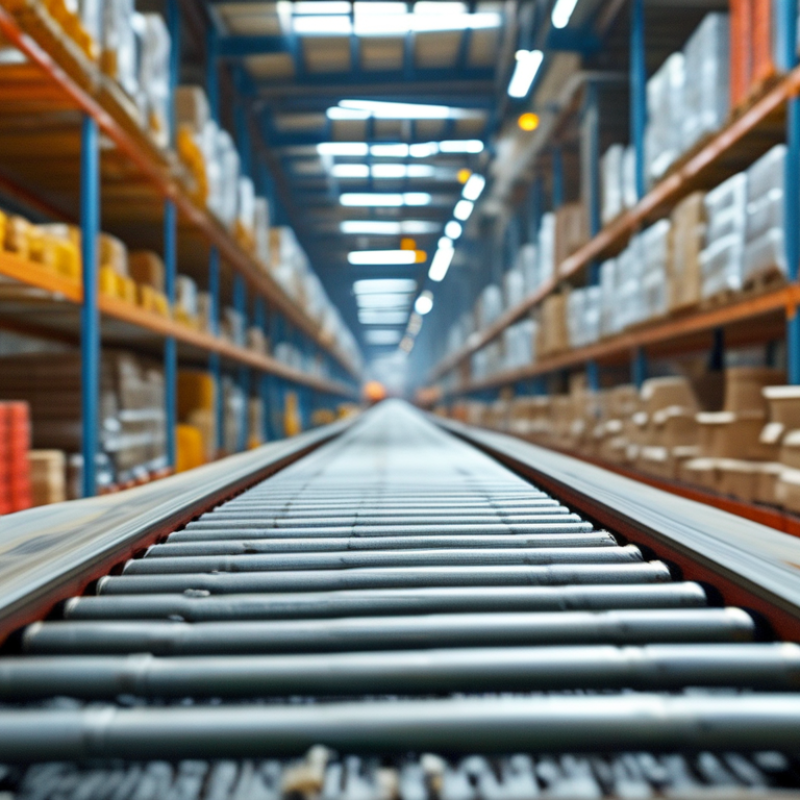
The mechanics of a conveyor belt involve a continuous loop that moves materials from one point to another. This system uses pulleys and rollers to drive the belt forward. Despite their effectiveness, challenges remain. Wear and tear can lead to maintenance issues, causing downtime. Reflecting on this, Smith asserts that regular inspections are vital for longevity.

Understanding the operation of a Conveyor Belt is essential for industries relying on smooth logistics. It not only boosts productivity but also requires careful management to avoid disruptions. As businesses adapt to evolving demands, the reliance on these systems will only grow, highlighting their importance in modern manufacturing.
What is a Conveyor Belt and How Does it Work?

Definition and Purpose of a Conveyor Belt

A conveyor belt is an essential tool in various industries. It is designed to transport materials from one point to another efficiently. Typically made of reinforced materials, these belts come in different types based on the application. According to a recent industry report, the global conveyor belts market is projected to reach $6 billion by 2025. This growth reflects the increasing demand for automation in manufacturing processes.

The primary purpose of a conveyor belt is to streamline operations. In warehouses, they reduce the need for manual labor, which can lead to operational inefficiencies. Data from the International Journal of Production Research indicates that implementing conveyor systems can improve productivity by up to 30%. Industries, such as mining and food processing, rely heavily on these belts for transporting goods and materials. Their use helps in minimizing product damage during transit.

Despite their advantages, conveyor belts require regular maintenance. Stress on these systems can cause wear and tear, leading to unexpected downtime. Reports highlight that 20% of conveyor system failures are due to inadequate maintenance. This underscores the importance of routine checks and proper training for staff. The reliability of a conveyor belt is critical to keeping production lines running smoothly.

Basic Components of a Conveyor Belt System

A conveyor belt system is integral to many industries. Understanding its basic components helps in appreciating how it functions. The main parts include the belt itself, pulleys, idlers, and a drive motor.

The belt, typically made of durable materials, carries products and materials efficiently. Pulleys at both ends support the belt's movement and maintain tension. Idlers, positioned along the length, help guide the belt and reduce wear. The drive motor powers the system, ensuring a smooth flow of items.

While these components seem straightforward, the system can face issues. Misalignment of the belt or wear on the components can lead to disruptions. Regular maintenance is crucial to prevent breakdowns. It’s essential to monitor wear and ensure all parts function smoothly. Understanding these basics aids in implementing an effective conveyor system.

Types of Conveyor Belts and Their Applications

Conveyor belts are essential tools in various industries. Different types serve unique purposes. For instance, flat belts are commonly used in manufacturing. They are ideal for moving light to medium-weight materials smoothly. In contrast, modular belts consist of interlocking plastic pieces. These are better for heavy loads and complex paths.

Steel belts are another type. They are durable and often found in high-temperature environments. These belts can handle abrasive materials effectively. Each type of conveyor belt has distinct applications. It’s vital to choose the right one based on your specific needs.

When selecting a conveyor belt, consider the material it will transport. Some materials might require a more flexible design. Others might need extra durability. It's important to evaluate your operation’s demands carefully. Not all belts are made equal. You may face challenges if you pick the wrong type. Regular maintenance is necessary for longevity. Ensure proper alignment and tension for optimal performance.

Types of Conveyor Belts and Their Applications

Mechanism of Operation: How Conveyor Belts Work

Conveyor belts are essential in various industries. They transport materials efficiently from one point to another. Their structure consists of a continuous loop of material, usually rubber or fabric. This loop moves over pulleys, creating a seamless flow. The weight and design of the items being transported affect the belt's performance.

The mechanism of operation involves several components. A motor powers the pulley system, driving the belt forward. Friction between the belt and the pulleys ensures movement, but too much friction can cause wear. Rollers also support the belt's load and aid in its movement. Understanding these elements helps in optimizing performance and reducing breakdowns.

Maintaining conveyor belts is crucial. Insufficient maintenance can lead to unexpected failures. Regular inspections identify issues like misalignment or wear. Workers must remain vigilant and learn from past mistakes. Errors in operation can result in costly delays. Continuous improvement is key in managing conveyor systems effectively.

What is a Conveyor Belt and How Does it Work?

Component Material Function Common Applications
Belt Polymer, Rubber, Metal Transporting materials Manufacturing, Warehousing
Pulley Steel Support and guide belt movement Heavy industry, Mining
Motor Electric Power source for the conveyor Packaging, Shipping
Frame Steel, Aluminum Structural support Material handling, Automotive assembly

Maintenance and Safety Considerations for Conveyor Belts

Maintaining a conveyor belt is crucial for smooth operations. Regular inspections can identify wear and tear early. Check for misalignment or unusual noises. These issues can lead to more serious problems if not addressed. Cleaning the belt regularly prevents build-up that affects performance.

Safety is equally important. Workers should be trained on how to operate and maintain conveyor systems. Clear signage should indicate restricted areas. Proper guards should be in place to protect workers from moving parts. Personal protective equipment is essential when near operating machinery.

Over time, belts can stretch or become damaged. Replacement parts should be readily available. A maintenance log helps track issues and repairs. This practice creates accountability and allows for better planning. Taking a proactive approach can save costs in the long run.

FAQS

: What is the primary function of a conveyor belt?

: A conveyor belt transports materials efficiently from one point to another in various industries.

How does a conveyor belt improve productivity?

It reduces the need for manual labor, potentially increasing productivity by up to 30%.

What materials are commonly used to make conveyor belts?

Conveyor belts are typically made of reinforced rubber or fabric.

Why is maintenance important for conveyor belts?

Regular maintenance prevents wear and tear, which can lead to unexpected system failures.

What should be checked during routine inspections?

Inspect for misalignment, unusual noises, and wear on the conveyor belt.

How can safety be ensured around conveyor systems?

Workers should receive training, and proper guards and signage must be in place.

What happens if a conveyor belt is not properly maintained?

Insufficient maintenance can cause costly delays and damage to production.

Why is continuous improvement necessary for conveyor systems?

It helps identify and rectify issues early, optimizing performance and reducing breakdowns.

What indicates that a conveyor belt needs repair or replacement?

Visible damage, stretching, or unusual performance issues may require attention.

How important is worker training for conveyor belt operations?

Training is crucial for safe and efficient operation, ensuring all employees understand the machinery.

Conclusion

A conveyor belt is a vital component in various industrial applications, designed to transport materials efficiently from one point to another. It consists of basic components such as a belt, pulleys, and rollers, which work together to facilitate the movement of goods. Conveyor belts come in various types, each suited for specific applications, ranging from transporting heavy loads in manufacturing to handling lightweight packages in warehouses.

The operation of conveyor belts relies on a simple mechanism where the belt is driven by pulleys, allowing continuous movement. Regular maintenance and adherence to safety considerations are crucial for ensuring the longevity and safe operation of conveyor belt systems. Understanding these aspects of conveyor belts is essential for optimizing their performance and minimizing downtime in any operation involving material handling.

Mason

Mason

Mason is a seasoned marketing professional with a deep expertise in the company's offerings and a passion for driving brand awareness. With a strong background in digital marketing strategies, he has an innate ability to connect with diverse audiences and effectively communicate product benefits.......