
Huishi
Choosing the right Timing Pulley for your project is crucial for ensuring efficiency and performance. The global timing pulley market is expected to reach $2.7 billion by 2026, reflecting the growing demand for precision engineering components. Timing pulleys are essential in many applications, from automotive engines to automated machinery.
When selecting a timing pulley, factors such as size, material, and tooth profile are key. Studies show that improper selection can lead to up to 20% energy loss in mechanical systems. This highlights the importance of understanding the project requirements and being aware of industry standards. A well-chosen timing pulley can enhance performance and reduce wear on components over time.
However, it's important to acknowledge the complexities involved. Not all projects will follow a straightforward approach. Engineers often face challenges in material compatibility and load requirements. Each choice has its implications, and reflecting on past experiences can guide future decisions. Balancing precision and practicality is vital in this selection process.
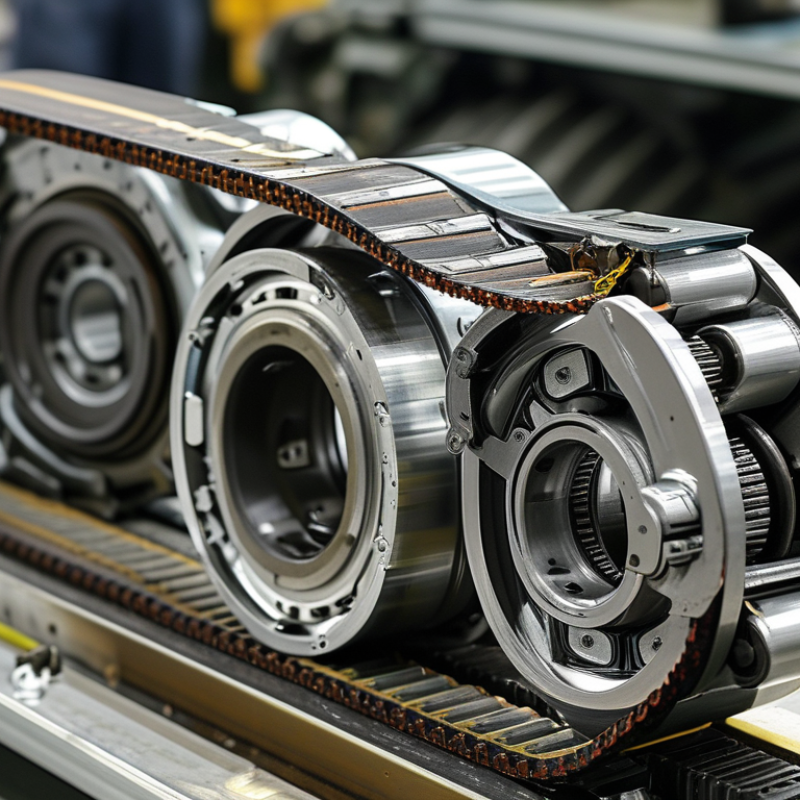
Timing pulleys are crucial components in mechanical systems. They synchronize movement between gears and belts. Understanding their basics aids in selecting the right type for your project. Timing pulleys come in various sizes and tooth configurations. Each configuration affects performance, torque transmission, and speed.
For applications ranging from robotics to automotive, the right pulley matters. A smaller pulley may increase speed while decreasing torque. Conversely, a larger pulley can boost torque but reduce speed. Consider the material as well. Aluminum offers a lightweight option, while steel provides strength for heavy-duty applications.
Matching the pulley with the belt is essential. Incompatible sizes can lead to slippage or wear. Evaluate your power needs too. A miscalculated load capacity can create failures down the line. Experimenting with different configurations can yield surprising results. Reflection on past projects can inform better choices. This iterative process enhances both current and future designs, ensuring reliability and efficiency.
Choosing the right timing pulley can significantly impact your project's success. Start by considering the load requirements.
The load dictates the size and material of the pulley. A pulley meant for heavy loads needs to be robust and durable. A lightweight option might suffice for smaller tasks but could lead to failures if miscalculated.
Another essential factor is the pulley’s pitch. The pitch denotes the distance between the teeth. It affects how efficiently power transfers from one pulley to another. A mismatch in pitch can cause slippage. This might seem minor but can lead to significant operational issues.
Also, consider the pulley’s alignment. Misalignment can lead to wear and premature failure. However, perfect alignment is challenging in real-world applications, so be prepared to adjust.
Bear in mind the environment where the pulley will operate. High temperatures or exposure to moisture can affect performance and longevity. Sometimes, materials will degrade faster than expected. This requires a reevaluation of your choices. Don't forget to think about future maintenance needs. Easy access for repairs might outweigh the initial cost savings of a less accessible design. It’s all about finding the right balance.
Choosing the right timing pulley requires understanding the various types available. Timing pulleys are crucial in mechanical systems for power transmission and motion control. There are primarily three types: open belt, toothed, and synchronous. Each type offers distinct advantages based on your project's needs. Open belt pulleys are simpler and can handle variable speeds. Toothed pulleys provide precise movement with less slip. Synchronous pulleys, meanwhile, excel in applications requiring exact timing.
When selecting a timing pulley, consider the load requirements. Heavier loads demand more robust materials and construction. Materials like aluminum or reinforced plastics often provide better durability. Look into the pitch size as well. Larger pitches offer increased strength but may also increase vibration. A balance between strength and flexibility is key. Pay attention to compatibility with your drive systems for smoother operation.
It's essential to evaluate the environment where the pulley will operate. Factors like temperature extremes and exposure to chemicals can influence the pulley’s performance. Regular inspections can help identify wear and tear early. Consider the noise levels too; some pulleys are quieter than others, impacting your project's overall efficiency. Mistakes in selection can lead to significant inefficiencies. Always cross-check your designs with experienced professionals before finalizing any components.
| Pulley Type | Material | Tooth Count | Pitch | Application |
|---|---|---|---|---|
| Synchronous Timing Pulley | Aluminum | 20 | 2mm | Robotics, Automation |
| Flat Timing Pulley | Steel | 30 | 5mm | Textile Machinery |
| Round Tooth Timing Pulley | Plastic | 24 | 4mm | 3D Printers |
| Wide Timing Pulley | Aluminum | 50 | 10mm | CNC Machines |
When selecting a timing pulley, precision in calculations is essential. The specifications of a timing pulley include pitch, tooth count, and material. A report from the American Gear Manufacturers Association suggests that choosing the right pitch leads to better performance in most mechanical applications. For instance, GT2 pitch pulleys offer a minimal backlash, making them suitable for robotics and automation.
Determining tooth count is equally vital. A higher tooth count improves speed and torque efficiency. However, it may lead to increased size, which could be a drawback in compact designs. The relationship between torque and speed is complex, as highlighted in various engineering studies. A project may benefit from smaller, higher RPM pulleys in some cases but suffer from reduced torque capacity.
Consider the material of the pulley as well. Common materials include aluminum and plastic. Aluminum pulleys are more durable but heavier, while plastic options are lighter but may wear out faster. An analysis by the Society of Manufacturing Engineers indicates that material choice significantly impacts both the weight and resistance to wear, often leading to trade-offs. Each project has unique demands, so understanding how these factors interplay is crucial for optimal results.
When selecting timing pulleys, evaluating supplier options is crucial. Check each supplier's reputation in the industry. Look for companies with years of experience and positive customer feedback. High-quality suppliers often provide detailed specifications and testing results. Don't hesitate to approach them for clarification or additional information about their products.
Quality assurance is essential for ensuring reliability in your project. Suppliers should have proper certifications that guarantee their products meet industry standards. Ask about their manufacturing processes. Understanding how a pulley is made can reveal much about its durability. Some suppliers may lack transparency about their supply chains, prompting further questions about their quality controls.
Consider the materials used in timing pulleys. Aluminum and plastics are common, each with unique properties and suitability based on the project. Take time to weigh the benefits and drawbacks of different materials. This reflection can guide you to make an informed decision. Ultimately, finding a reliable supplier requires diligence and attention to detail.
: There are three main types: open belt, toothed, and synchronous. Each serves unique mechanical needs.
Consider load requirements, material durability, and compatibility with your system for optimal performance.
Aluminum is durable but heavy. Reinforced plastics are lighter but may wear out more quickly.
Larger pitches offer strength but may increase vibrations. Balance between strength and flexibility is crucial.
Check their reputation and customer feedback. Ensure they provide detailed specifications and testing results.
A higher tooth count can improve efficiency but may increase size. Assess the trade-offs for your design.
Temperature extremes and chemical exposure can influence how a pulley performs. Regular inspections are important.
Material affects weight and wear resistance. Consider how it aligns with your project’s specific demands.
It’s essential for reliability. Check for proper certifications and understand manufacturing processes for insight.
Inaccurate specifications can lead to inefficiencies. Cross-check designs with professionals before finalizing components.
Choosing the right timing pulley for your project involves a thorough understanding of the basics and applications of timing pulleys. By identifying key factors such as required torque, speed, and load capacity, you can make informed decisions tailored to your specific needs. It's essential to compare different types of timing pulleys, considering their features and how they align with your project requirements.
Additionally, calculating the required specifications, including pitch and belt width, ensures optimal performance. Finally, evaluating supplier options and maintaining quality assurance for timing pulleys can significantly impact the success of your project. By focusing on these elements, you'll be well-equipped to select the ideal timing pulley that meets your project demands effectively.
