
Huishi Huishi

How to Choose the Right PVC Conveyor Belt?

Time:2026-10-10 Author:Isabella
0%

Choosing the right Pvc Conveyor Belt is not a simple matter of matching width and length. The belt must suit the product, conveyor design, working temperature, and cleaning routine. A belt carrying wet vegetables needs different performance from one moving cardboard boxes through a dry warehouse. Small details matter. Surface texture, pulley diameter, splice method, and belt tension can affect daily reliability.

R. Todd Swinderman, a respected conveyor-safety specialist and former Martin Engineering executive, has emphasized, “A conveyor is a system, not merely a belt.” That practical view should guide every purchasing decision. A Pvc Conveyor Belt may look suitable in a catalogue, yet fail early when exposed to sharp edges, oil, heat, or constant incline movement. Check the belt’s tensile strength, coating quality, food-contact requirements, and resistance to abrasion. Ask for technical data, test records, and installation guidance from the supplier.

Real operating experience is valuable here. Measure the existing belt path, inspect worn areas, and speak with maintenance staff before choosing a replacement. Their observations may reveal tracking problems that specifications overlook. There is no perfect belt. Even a high-quality product can perform poorly when misaligned or cleaned incorrectly.

A reliable selection also considers service support, spare-part availability, and the supplier’s technical reputation. Price matters, but downtime often costs more. The right decision balances performance, maintenance effort, hygiene, and total operating cost. One point deserves reflection: buyers sometimes focus on belt material while ignoring the conveyor structure. That mistake can quietly shorten the belt’s working life.
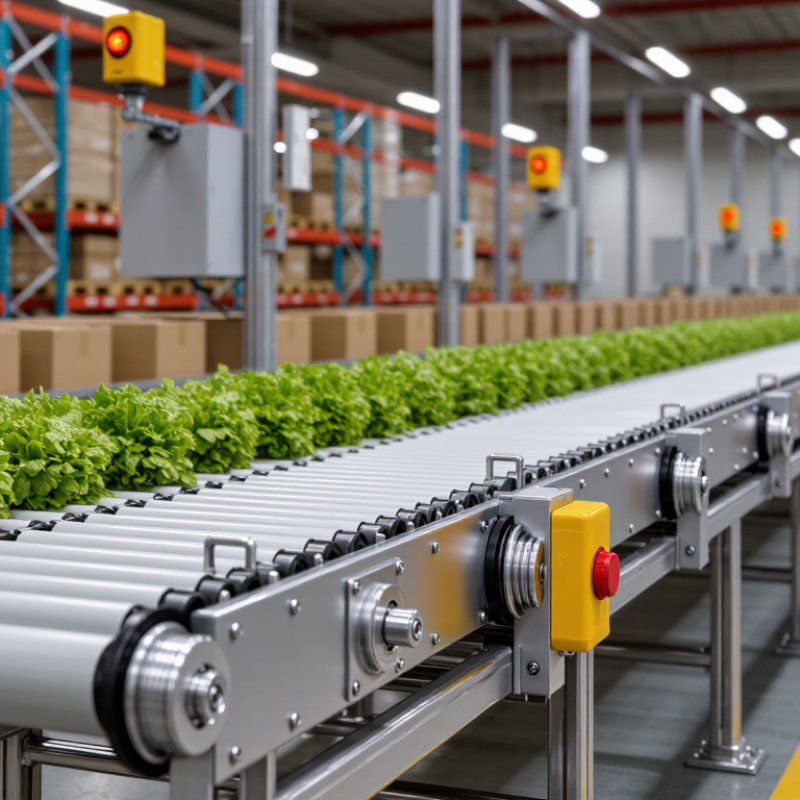
How to Choose the Right PVC Conveyor Belt?

Understanding PVC Conveyor Belt Construction and Performance

How to Choose the Right PVC Conveyor Belt?

Understanding PVC Conveyor Belt Construction and Performance

PVC conveyor belt performance begins beneath the visible surface. Most belts use a layered structure: a PVC top cover, a tensile fabric carcass, and a lower coating. Some designs add cleats, profiles, guides, or sealed edges for specific conveying tasks. The carcass controls stretch and load stability, while the covers influence grip, abrasion resistance, and cleanability. That distinction matters. A thick cover alone does not guarantee a long service life.

During conveyor inspections, I check the belt’s hardness, surface texture, and splice condition. A smooth surface may suit cartons, but small packages can slide during acceleration. A textured surface improves grip, yet it can retain dust or product residue. The belt must also match the conveyor’s pulley diameter. Excessive bending can damage the fabric layers and create cracks near the splice. I once focused too heavily on tensile strength and overlooked tracking behavior. That was a costly lesson.

Temperature, moisture, oil exposure, and load weight also shape performance. A belt rated for ordinary indoor work may soften near a hot process or stiffen in a cold room. Measure the actual operating conditions, not only the expected ones. Check belt width, conveying speed, incline angle, and cleaning method before choosing materials. Regularly inspect frayed edges, exposed fabric, uneven wear, and belt drift. Small defects grow quickly. Careful selection helps, but installation and maintenance still decide whether the belt performs reliably.

Identifying Your Material Handling and Production Requirements

How to Choose the Right PVC Conveyor Belt?

Identifying Your Material Handling and Production Requirements

Choosing a PVC conveyor belt starts with understanding the material, not the belt catalog. Measure each product’s weight, dimensions, shape, and surface condition. A small box behaves differently from a wet food tray or sharp metal component. Measure the load.

Production speed also matters. Record the belt’s required length, width, incline, and operating speed. Check whether products stop, accumulate, or transfer between conveyors. Speed changes everything. A belt that runs smoothly at low speed may slip during faster production cycles.

Consider the working environment carefully. Temperature, moisture, oil, cleaning chemicals, and dust can affect belt life. For food-related handling, confirm that the belt surface supports the required cleaning routine and hygiene controls. For inclined lines, choose a suitable surface pattern or flight design. Heavy loads may require stronger tension support and better tracking.

I have seen projects fail because only the product weight was considered. The belt carried the load, but the frame and pulley arrangement were unsuitable. My earlier estimate was too optimistic. Allow space for proper tensioning, edge clearance, and routine inspection. Ask for technical data, load ratings, and sample testing before purchase. A short trial with the actual product can reveal slipping, tracking, or transfer problems that specifications may not show. Recheck the requirements when production changes.

Selecting Belt Specifications for Load, Speed, and Environment

Choosing a PVC conveyor belt starts with the load, not the belt color. Record product weight, contact area, impact points, and accumulation time. A 20-kilogram carton may be manageable at steady speed, yet damaging during repeated stops. CEMA’s Belt Conveyors for Bulk Materials, 7th Edition, emphasizes capacity calculations based on belt speed, material density, and loading conditions. Use those variables together.

Speed changes belt behavior. Faster movement can reduce contact time, but it may increase vibration, tracking problems, and product sliding. For fragile cartons, begin with a controlled trial near the planned operating speed. Measure belt tension and observe transfer points. The 2024 MHI Annual Industry Report notes that 55% of surveyed organizations planned to increase supply-chain technology investment, making reliable conveyor performance more important in automated lines. Faster is not always better.

Environment decides whether PVC remains suitable. Check temperature, oil exposure, moisture, cleaning chemicals, and ultraviolet light. A food-processing line may need a sealed, easy-clean surface, while a dusty warehouse needs careful pulley and bearing protection. ISO 21183-1 provides guidance for light conveyor belts and their construction requirements. In practice, specifications are often incomplete. I have seen teams select belts from rated load alone, then overlook washdown frequency. That mistake deserves a second review. Allow a safety margin, but do not guess its size. Test the actual product, speed, and cleaning routine before final approval.

Comparing Surface Patterns, Profiles, and Belt Joining Methods

Choosing a PVC conveyor belt starts with the product, not the catalogue photograph. Smooth surfaces suit stable, clean loads and allow quick wiping. Embossed or rough patterns improve grip on inclined conveyors. However, deep textures can retain powder, moisture, or small fragments. I have seen operators choose maximum traction, then struggle with cleaning.

Profiles change how material moves. Cleats support loose products during elevation, while V-shaped guides help control packages across the belt. Sidewalls contain granular materials, but they also increase stress near the edges. Match profile height with the product size and pulley diameter. A tall cleat on a small pulley may flex repeatedly and fail early. Measure the pulley.

Belt joining deserves equal attention. An endless hot-welded joint gives a smooth running surface and reduces snagging risks. It requires accurate temperature, pressure, and alignment during installation. Mechanical fasteners are practical for field repairs and quick replacement. Yet they may mark delicate products or create noise near scrapers. Finger joints can offer flexible bending, but their quality depends heavily on cutting accuracy and welding control. I have made this mistake: judging a joint by appearance alone. Check tracking, tension, and joint movement under real load. Keep records. A short trial run with the actual product can reveal slipping, buildup, or profile interference before full production.

How to Choose the Right PVC Conveyor Belt? - Comparing Surface Patterns, Profiles, and Belt Joining Methods
Selection Category Option Typical Surface or Construction Main Advantages Limitations and Considerations Recommended Applications
Surface Pattern Plain Smooth Flat, non-textured PVC top cover Easy to clean, low product marking, low noise, and good suitability for small or fragile products Provides limited grip on inclined conveyors and may allow products to slide when wet or oily Food handling, packaging, inspection, sorting, and horizontal conveying
Surface Pattern Matte or Embossed Fine textured finish with a lightly patterned surface Improves traction compared with a plain surface while maintaining relatively good cleanability Texture can retain more dust or residue than a smooth belt and may increase product contact marks General material handling, cartons, parcels, and light-duty inclined conveying
Surface Pattern Grip Top Pronounced rough or rubber-like PVC texture High friction, improved load stability, and better control of products during acceleration or incline conveying More difficult to clean thoroughly; may not be suitable for delicate products or applications requiring very low friction Inclined conveyors, bags, boxes, agricultural products, and unstable loads
Surface Pattern Rough Top Irregular raised texture designed to increase surface friction Good grip for packaged goods and products that tend to slide on smooth belts Can create additional noise, product vibration, and cleaning requirements Inclined conveying, general industrial handling, and boxed products
Surface Pattern Diamond or Rhombus Repeating raised diamond-shaped pattern Balances traction and product support; the patterned surface can help prevent lateral movement Not ideal where a completely smooth transfer surface or maximum cleanability is required Packages, cartons, containers, and moderate-incline conveyors
Surface Pattern Chevron or Herringbone V-shaped directional ribs or grooves Channels loose material toward the belt center and offers strong grip on inclined conveyors Material may accumulate in grooves; belt direction and cleaning access must be considered Bulk products, packaged goods, recycling materials, and steep-incline conveying
Surface Pattern Food-Grade Smooth or Fine Texture Closed, hygienic PVC cover with a smooth or fine-grain finish Supports regular washdown, reduces residue retention, and is suitable for direct product contact when the belt construction is properly approved Cleaning chemicals, temperature, product oils, and regulatory requirements must be checked for compatibility Food processing, bakery lines, meat and poultry handling, and packaging areas
Profile Cleats Transverse raised flights attached across the belt Improves carrying capacity on inclines and helps separate products into controlled sections Requires adequate transfer clearance; cleat height and spacing must match the product size and conveyor geometry Inclined conveyors, metering, elevating, and controlled product separation
Profile Corrugated Sidewalls Flexible vertical walls bonded or welded along one or both belt edges Increases usable capacity and helps contain bulk material on steep inclines or vertical sections Needs careful installation and inspection because sidewall damage can cause spillage or tracking problems Bulk solids, powders, granules, recycling, and space-saving elevating conveyors
Profile Guides or V-Ribs Longitudinal profiles fitted to the belt underside or, in some designs, the carrying side Helps maintain belt tracking and can improve positional accuracy on crowned or grooved pulleys Requires compatible pulley grooves and correct guide alignment; unsuitable groove design may damage the belt Long conveyors, center-tracking systems, incline conveyors, and precise product positioning
Profile Perforations Regular holes or openings through the belt cover and carcass Allows air, water, or small particles to pass through and can support dewatering or vacuum applications Reduces effective belt area and may lower load-support capability; hole size must suit the product Washing, draining, cooling, drying, and vacuum conveying systems
Belt Joining Method Endless Thermoplastic Weld Prepared belt ends are heated and fused into a continuous loop Creates a smooth, hygienic joint with no exposed metal and generally good suitability for washdown environments Requires correct temperature, pressure, alignment, and cooling; field repairs may require specialized equipment Food processing, clean applications, small-pitch conveyors, and continuous production lines
Belt Joining Method Finger Splice Interlocking fingers are cut into the belt ends and thermally fused Flexible joint with reduced thickness variation and improved passage over small nose bars or pulleys Requires accurate finger cutting and welding; contamination or poor alignment can weaken the splice Food handling, small pulley diameters, metal-detector areas, and applications requiring a low-profile joint
Belt Joining Method Mechanical Hinge Metal or plastic hinged fasteners connect the belt ends with a hinge pin Fast installation, convenient belt removal, and practical for emergency or on-site repairs May create a higher-profile joint, additional noise, product-marking risk, and potential hygiene restrictions General industrial conveying, frequent belt replacement, and locations with limited welding access
Belt Joining Method Alligator-Style Mechanical Fastener Continuous or segmented fastener grips both belt ends along the splice width Quick to install and suitable for many light- and medium-duty PVC belt repairs Fastener selection must match belt thickness, pulley diameter, tension, and product-contact requirements Package handling, distribution, maintenance repairs, and standard conveying duties
Belt Joining Method Bolted or Riveted Joint Overlapping belt ends secured with bolts, rivets, or plates Simple tools and low initial installation cost; useful where a temporary or heavy-duty repair is required Creates a thick, rigid joint that may affect pulley passage, noise, cleanability, and product protection Temporary repairs, low-speed conveyors, and non-hygienic industrial applications
Decision Factor Incline Angle Conveyor slope and product stability requirement Higher-friction patterns, cleats, or chevrons can reduce rollback and product sliding Actual performance depends on product weight, packaging, moisture, acceleration, and belt speed Choose a smooth belt for level conveying; consider profiles or grip textures for sustained inclines
Decision Factor Pulley Diameter Diameter of the drive, tail, and snub pulleys Matching the belt construction and splice to pulley diameter improves flex fatigue resistance and service life Small pulleys can overstress thick belts, rigid profiles, or bulky mechanical fasteners Verify the manufacturer’s minimum pulley diameter for the selected belt, splice, and tension level
Decision Factor Cleaning and Hygiene Washdown frequency, cleaning chemicals, temperature, and direct product contact Smooth surfaces and welded or finger-spliced joints generally minimize dirt traps and simplify sanitation Not every PVC compound is compatible with hot water, oils, fats, solvents, or aggressive detergents Use a documented food-contact construction and confirm chemical and temperature resistance before selection
Decision Factor Operating Temperature Ambient temperature, product temperature, and cleaning temperature Correct material selection helps prevent softening, embrittlement, distortion, and loss of splice strength PVC belts are commonly selected for moderate-temperature service; extreme heat or cold may require a different material Check the belt’s continuous and intermittent temperature limits against the complete operating cycle

Selection note: The final belt specification should be verified against belt width, carcass strength, load, belt speed, pulley diameters, conveyor angle, sanitation requirements, chemical exposure, and the supplier’s published technical data. Surface patterns, profiles, and joining methods can significantly change tracking, cleanability, noise, and service life.

Checking Hygiene, Maintenance Needs, and Total Operating Costs

How to Choose the Right PVC Conveyor Belt?

Checking Hygiene, Maintenance Needs, and Total Operating Costs

Choosing a PVC conveyor belt requires more than checking width and load capacity. Hygiene starts with the belt surface, edges, joints, and support structure. Inspect for cracks, exposed fabric, trapped product, and hard-to-clean seams. For food handling, confirm that materials and cleaning procedures meet the requirements in your operating region. A smooth belt is not automatically sanitary. Crevices matter. Cleaning chemicals, water temperature, and drying time can affect belt life. Ask the supplier for care instructions, but test them on your actual production line.

Tips: Use a flashlight during inspections. Check underneath the belt. Record cleaning time, visible wear, and recurring faults. Small records reveal expensive patterns.

Maintenance

Maintenance should be planned before the belt is installed. Check tracking, tension, pulley alignment, and scraper pressure regularly. Excessive tension can damage the belt and increase energy use. Keep suitable repair materials and trained staff available. A spare belt may prevent a long production stoppage, although storing the wrong size creates wasted cost.

Total Operating Cost

Total operating cost includes purchase price, installation, cleaning labor, water, energy, repairs, product loss, and downtime. A low purchase price can mislead. Plant teams often discover that frequent cleaning and belt replacement outweigh the initial saving. Calculate costs across the expected service period. Some assumptions will be wrong. Review them after several months of real production data.

FAQS

What information should I collect before choosing a PVC conveyor belt?

Record product weight, contact area, impact points, speed, and accumulation time. A 20-kilogram carton may damage a belt during repeated stops. Steady movement can hide problems.

How does conveyor speed affect belt selection?

Higher speed reduces contact time but may increase vibration, sliding, and tracking problems. Test near the planned operating speed. Observe transfers carefully. Measure tension during stops and starts.

Which environmental conditions can affect a PVC conveyor belt?

Check temperature, oil, moisture, cleaning chemicals, dust, and ultraviolet exposure. Frequent washdown may shorten belt life. A dusty area needs pulley and bearing protection. Specifications are sometimes incomplete, so review them twice.

Should I choose a smooth or textured belt surface?

Smooth surfaces suit stable products and allow quick wiping. Rough patterns improve grip on inclined conveyors. Deep textures can hold powder, moisture, and fragments. Maximum traction is not always practical.

How should cleats, guides, and sidewalls be selected?

Match profile height with product size, belt movement, and pulley diameter. Cleats support loose products during elevation. Guides help control packages across the belt. Tall cleats on small pulleys may flex and fail early.

Which belt joining method is suitable for conveyor applications?

A welded endless joint provides a smooth surface and reduces snagging. Mechanical fasteners support quick field repairs but may mark products. Finger joints bend flexibly, yet cutting and welding accuracy matter. Appearance alone proves little.

How can I check belt hygiene and cleanability?

Inspect the surface, edges, joints, underside, and support structure. Look for cracks, exposed fabric, trapped product, and difficult seams. Use a flashlight. Record cleaning time and recurring buildup.

How should maintenance and total operating costs be evaluated?

Plan checks for tracking, tension, pulley alignment, scraper pressure, and visible wear. Include installation, cleaning labor, water, energy, repairs, product loss, and downtime. A cheap belt can become expensive. Review your assumptions after several months of production.

Conclusion

Choosing the right Pvc Conveyor Belt requires more than comparing prices or appearance. Start by understanding how the belt is constructed and how its materials, layers, and surface design affect strength, flexibility, traction, and service life. Then define your material handling and production requirements, including the type and weight of products, conveying distance, belt speed, incline, operating temperature, and exposure to moisture, oil, dust, or abrasion.

The selected belt specifications should match the working load, speed, and production environment. Consider whether a smooth, textured, cleated, or profiled surface will provide the necessary grip and product control. Belt joining methods should also be evaluated for durability, ease of installation, and repair time. Finally, review hygiene requirements, cleaning procedures, maintenance demands, and expected operating costs. A suitable Pvc Conveyor Belt should deliver reliable performance while reducing downtime, simplifying upkeep, and providing good long-term value for the entire conveying system.

Isabella

Isabella

Isabella is a dedicated marketing professional with a sharp focus on driving brand growth and engagement through strategic content creation. With an extensive background in digital marketing, she combines her passion for storytelling with her keen understanding of industry trends to deliver......