
Huishi
Choosing the right aluminum cable pulley is crucial for any project that involves lifting or hoisting. Industry expert James Carter emphasizes, "Selection shapes performance." This insight highlights the importance of understanding your specific needs before making a choice.
Aluminum cable pulleys are versatile tools used in various applications, from construction to recreational activities. The right pulley can enhance safety, efficiency, and durability. Consider factors such as load capacity, design, and materials. Evaluate the specific requirements of your project. Each detail matters, often determining the success of your operations.
It can be daunting to navigate the options available. Many people overlook the importance of proper selection. Reflect on your usage patterns and anticipated load. This careful assessment can lead you to the perfect aluminum cable pulley for your needs. Choosing wisely pays off in the long run.
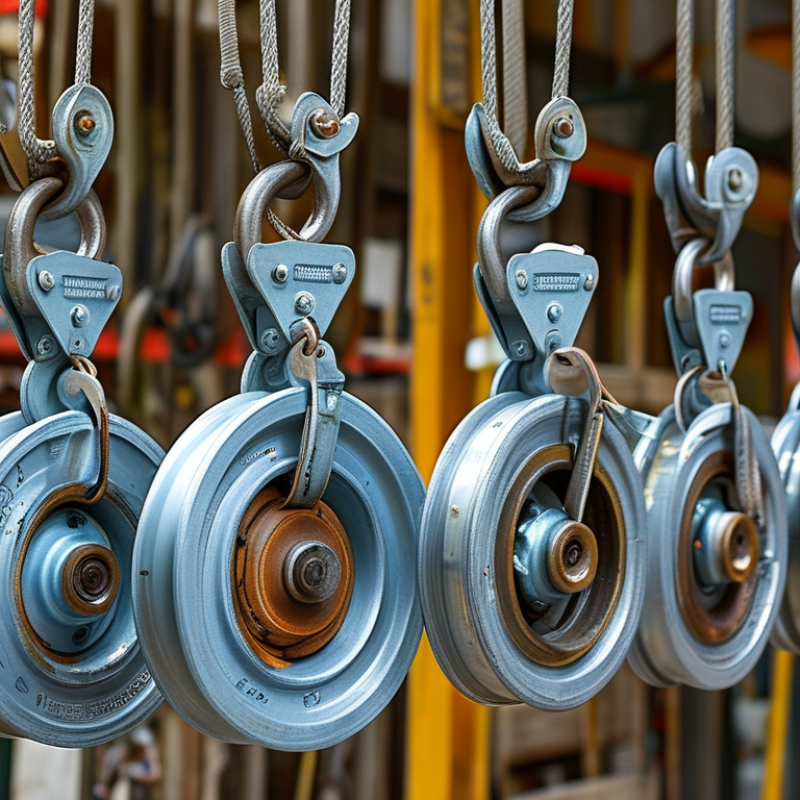
Choosing the right aluminum cable pulley requires understanding its core components. The materials used in pulleys influence their performance significantly. According to the American Society of Mechanical Engineers (ASME), aluminum pulleys are often preferred for their lightweight and durability. They typically offer strength-to-weight ratios that are crucial for various applications.
Consider the load capacity of the pulley. Different projects require different ratings. Research shows that a pulley rated for at least 1.5 times the maximum load can enhance safety and efficiency. However, overestimating needs can lead to unnecessary expenses. Users should evaluate the specific task to avoid miscalculating their requirements.
Another critical aspect is the bearing type. Pulleys with high-quality bearings tend to operate smoother and last longer. There’s a trade-off between cost and performance with this feature. It’s essential to balance your budget with long-term reliability. Users often overlook this point but may regret it later when faced with repairs. Investing time in thorough research will yield significant benefits.
When selecting an aluminum cable pulley, several key factors must be considered. The load capacity is critical. According to industry standards, different applications may require pulleys that can withstand loads ranging from 100 kg to over 500 kg. An incorrect choice can lead to equipment failure, posing safety risks.
The diameter of the pulley also plays a significant role in performance. A larger diameter can reduce wear on the cable, extending its lifespan. Conversely, small diameter pulleys may lead to increased friction. Research indicates that a pulley with a diameter that is too small can raise cable wear rates by 30%. Understanding the specifics of your application is essential.
In addition, material quality cannot be overlooked. A high-grade aluminum alloy is preferable for its strength-to-weight ratio. Variations in manufacturing can affect durability. Reports suggest that inferior materials may compromise safety and efficiency. Attention to these details is crucial to ensure optimal operation and longevity of the equipment.
When choosing an aluminum cable pulley, assessing load capacity is crucial. The load capacity defines the maximum weight the pulley can handle safely. It's vital to know both static and dynamic load ratings. Static ratings apply when the load is stationary. Dynamic ratings matter when the load is in motion. Understanding these ratings helps ensure safety and efficiency in applications.
Standards and specifications also play a significant role. The American National Standards Institute (ANSI) and the International Organization for Standardization (ISO) provide guidelines. These include material strength, design factors, and testing methods. It’s essential to confirm that the pulley meets these standards. Overlooking this aspect can lead to serious operational failures.
Consider the environment where the pulley will be used. Corrosive conditions can weaken aluminum over time. Assessing operational conditions is often underestimated but critical. Regular inspections and maintenance checks will also ensure reliability and prolong the pulley’s lifespan. Small issues can lead to major problems if ignored. Understanding these factors allows for better decision-making in purchasing the right aluminum cable pulley.
When selecting an aluminum cable pulley, material is crucial. Aluminum is lightweight, yet strong. It can resist corrosion, which is essential for outdoor use. According to industry reports, aluminum pulleys can maintain integrity in various environments. Many settings expose pulleys to moisture and chemicals. Corrosion resistance assures longevity in these conditions.
Tips: Always check the alloy grade. T6 aluminum is commonly used for its durability. Look for anodized finishes that enhance resistance to wear and rust.
When evaluating durability, consider the load capacity. Most aluminum pulleys can handle significant weights. However, weight limits vary based on design and manufacturing quality. A mismatch can lead to failures. Research indicates that appropriate stress testing is key for reliability.
Tips: Assess the pulley’s working load limit. Use weight that is comfortably below this threshold. Routine inspections can prevent mechanical failure.
In environments with high humidity or salt exposure, material choice is vital. Studies show that untreated aluminum can corrode quickly under such conditions. Coatings or alternative materials might offer better protection in these cases. Remember that not all aluminum pulleys perform equally under stress.
When choosing an aluminum cable pulley, size and design are crucial. The pulley size affects the load it can handle and its overall efficiency. A larger pulley may reduce strain on the cable but can also increase inertia. Ensure the pulley diameter matches the application. For high-speed operations, smaller pulleys are preferable. Keep in mind the cable’s thickness as well; it must fit properly to minimize wear.
Design aspects also influence performance. A well-designed pulley offers smooth rotation and minimizes friction. Look for features like sealed bearings that enhance durability. Consider the shape; a wider groove can help prevent the cable from slipping. However, overly complex designs might complicate maintenance and introduce points of failure.
**Tips:**
1. Regularly inspect the pulley for signs of wear.
2. Match the pulley’s capacity with your specific requirements.
3. Choose materials suited for the expected environment, like moisture or dust exposure.
Remember, the perfect pulley doesn't exist. Each application has unique challenges. Reflect on your own needs and the operational environment to make the right choice.
: Focus on the core components, such as materials and load capacity.
It defines the maximum weight the pulley can support safely.
Static ratings apply when the load is still; dynamic ratings are for moving loads.
Refer to ANSI and ISO for material strength and design factors.
Corrosive environments can weaken aluminum over time. Regular checks are essential.
High-quality bearings ensure smoother operation and longer lifespan.
Regular inspections and addressing small issues can prevent major problems.
Higher alloy grades, like T6, offer better strength and durability.
Untreated aluminum can corrode quickly in humid or salty conditions.
Evaluate your specific task to match the pulley with appropriate load capacity.
Choosing the right Aluminum Cable Pulley involves a thorough understanding of various key factors that influence selection. First, it's essential to assess the load capacity, ensuring the pulley meets specific standards and specifications for safe operation. Additionally, material durability and corrosion resistance are crucial in determining the longevity and reliability of the aluminum pulley, especially in challenging environments.
Furthermore, the size and design of the pulley significantly impact its performance. Selecting an appropriately sized Aluminum Cable Pulley ensures optimal functionality and efficiency in your project. By considering these aspects, you can make an informed decision that caters to your specific needs, enhancing the effectiveness of your applications involving aluminum pulleys.
