
Huishi
Choosing the right Industrial Rubber Belts is crucial for operational efficiency. According to a recent report by MarketsandMarkets, the global industrial rubber belts market is projected to reach $8.5 billion by 2025. This growth emphasizes the importance of selecting belts that meet specific industry needs.
Expert Alex Thompson, a leading consultant in the rubber industry, states, "The right belt can make or break the performance of your machinery." Choosing the best Industrial Rubber Belts involves understanding your operational requirements. Factors such as load capacity, resistance to heat, and environmental conditions should guide your decision.
Understanding these details can prevent costly downtime. Improper selections can lead to inefficiencies and increased maintenance costs. Thus, attention to these elements is essential. Investing time and resources in the right Industrial Rubber Belts not only enhances performance but also ensures longevity in equipment usage.
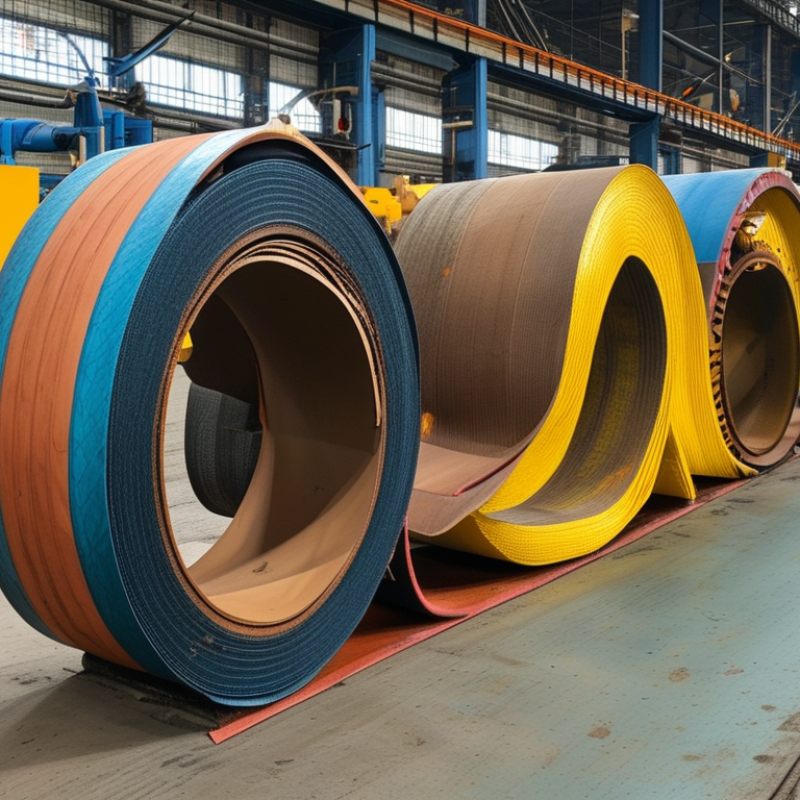
When selecting industrial rubber belts, understanding the various types available is crucial. Conveyor belts, for instance, are commonly used across diverse industries. Data from the Rubber Manufacturers Association indicates that conveyor belts account for nearly 38% of the total rubber product market. These belts facilitate material transportation. They can be flat, modular, or even belt-driven. Each type serves a distinct purpose based on the operational environment.
Another key type is power transmission belts. They are essential for machinery to function efficiently. Research shows that the global power transmission belt market is expected to reach $18 billion by 2026. These belts are often characterized by specific designs like V-belts or synchronous belts, which enhance grip and reduce slippage. Correct selection can significantly impact productivity and operational costs.
In practice, choosing the right type is not always straightforward. Users may overlook factors like temperature resistance, tensile strength, and elasticity. Experts recommend examining each application closely. This involves analyzing load conditions and environmental factors. Ignoring such details can lead to premature failure of the belts. Continuous assessment and adjustment of belt options tailored to specific needs are vital for optimal performance.
When selecting industrial rubber belts, various factors come into play. The material composition is crucial. For instance, natural rubber is strong but may not withstand oils and heat. Synthetic options, such as neoprene, often offer enhanced resistance to chemicals and temperature fluctuations. According to a report by the Rubber Manufacturers Association, more than 70% of industrial applications favor synthetic rubber due to its versatility and durability.
Belt design and construction also matter significantly. Engineers often evaluate tensile strength and elongation at break. A study published in the Journal of Applied Polymer Science found that belts with higher tensile strength can reduce maintenance costs by over 30%. Furthermore, surface texture can impact grip and slip resistance. A textured belt provides better traction, especially in heavy load applications.
Environmental conditions should also be considered. Belts exposed to moisture may develop mold or degradation. The American Society for Testing and Materials recommends specific rubber grades for wet environments. In practice, a mismatch between application needs and belt type can lead to frequent breakdowns or premature wear, raising operational costs. Choosing the right industrial rubber belt is a blend of understanding materials and matching them to specific operational contexts.
When selecting industrial rubber belts, it’s essential to evaluate key performance metrics. These metrics include tensile strength, flexibility, and wear resistance. A belt's tensile strength determines how much weight it can carry without breaking. Flexibility allows the belt to maneuver around pulleys and other equipment efficiently. Wear resistance reduces the frequency of replacements, saving time and costs.
Consider the environmental conditions where the belt will operate. Will it be exposed to extreme temperatures or chemicals? If so, these factors can significantly impact performance. Testing a few belt samples in your specific environment can provide valuable insights. It’s often necessary to re-evaluate choices if initial trials do not yield expected results.
Installation and maintenance are crucial too. A poorly fitted belt may lead to premature failure. Regular inspections can help identify issues early. Gathering feedback from operators about the belt’s performance can highlight areas needing improvement. Balancing these performance metrics with real-world conditions ensures you choose a belt that meets your needs effectively.
When selecting industrial rubber belts, industry standards and certifications are crucial. These standards ensure that belts perform reliably in demanding conditions. For instance, certifications like ISO 9001 indicate a commitment to quality management. This certification helps buyers understand the product's reliability. Various sectors may have specific standards, such as ANSI or ASTM. These can dictate the material properties, dimensions, and performance metrics of rubber belts.
Consider safety as well. Some belts may meet heightened safety standards, which is vital in hazardous environments. Checking for compliance with relevant safety regulations is important. It adds an extra layer of trust to your purchase. Yet, navigating these certifications can be tricky. Not all suppliers provide clear information. Additionally, some belts may claim compliance without proper verification. Therefore, scrutinizing the supporting documentation is essential. It helps to ensure that the belts will meet your operational needs.
Industry standards can also evolve. What was a gold standard five years ago may no longer apply. Therefore, staying updated on changes is necessary. Regular audits and feedback from field applications can provide insight into current performance benchmarks. This ongoing evaluation process helps make informed purchasing decisions. Finding dependable rubber belts is not just about the numbers; it involves understanding the entire landscape of production and performance.
When selecting industrial rubber belts, cost-benefit analysis plays a crucial role. Industry reports indicate that businesses often underestimate the total cost of ownership. Factors like maintenance, replacement frequency, and energy efficiency should be considered. For example, a report from the Rubber Manufacturers Association highlights that high-quality belts can reduce energy consumption by up to 15%. This could lead to significant savings over the belt's lifespan.
An analysis of various options reveals varied long-term costs. While cheaper belts may have lower initial prices, their durability is often lacking. They may fail sooner, necessitating frequent replacements. A comprehensive study from the International Rubber Study Group points out that premium belts can last up to 50% longer under similar conditions. This durability can translate into lower overall costs, emphasizing the importance of a thoughtful investment.
Investing in the right rubber belt means looking beyond the price tag. Consider the operational demands of your business. Downtimes due to belt failure can be costly, both financially and operationally. Evaluating the materials used in belt construction is essential. Sometimes, opting for a more robust solution results in less frequent replacements, ultimately benefiting the bottom line.
| Belt Type | Material | Width (inches) | Length (feet) | Cost per Foot ($) | Durability (Years) | Application |
|---|---|---|---|---|---|---|
| Standard Rubber Belt | Nitrile Rubber | 12 | 50 | 2.50 | 5 | Conveyors |
| Industrial Conveyor Belt | EPDM | 10 | 75 | 3.00 | 8 | Food Processing |
| Rough Top Belt | Natural Rubber | 16 | 60 | 2.75 | 6 | Construction |
| Chevron Belt | Polyester | 14 | 40 | 3.50 | 7 | Mining |
| Flat Rubber Belt | SBR | 20 | 100 | 2.20 | 5 | General Purpose |
: Common materials include natural rubber and synthetic options like neoprene. Natural rubber is strong but less heat-resistant.
Higher tensile strength allows belts to carry more weight without breaking. This can lower maintenance costs significantly.
Flexibility helps belts maneuver around pulleys and machinery efficiently. Inflexible belts can lead to operational issues.
Consider moisture, extreme temperatures, and chemical exposure. These factors can greatly impact a belt's performance and longevity.
A poorly fitted belt may fail prematurely, leading to costly repairs. Regular inspections can help prevent this.
Many underestimate total ownership costs, including maintenance and energy efficiency. This can lead to unexpected expenses.
Look beyond initial price and consider durability, replacement frequency, and energy savings. This approach minimizes long-term costs.
Gathering performance feedback helps identify weaknesses in the current belt. This information can guide better future selections.
Cheaper belts may fail sooner, leading to higher long-term costs. Investing in quality can enhance durability and save money.
Regular inspections are essential. They help identify potential issues before they lead to significant operational downtime.
When selecting the best Industrial Rubber Belts for specific applications, it is crucial to understand the various types available, as each type serves different industrial needs. Factors such as load capacity, environmental conditions, and durability significantly influence the choice of rubber belts. Evaluating performance metrics such as tensile strength and wear resistance further aids in determining the right fit for specific tasks.
Industry standards and certifications play a vital role in ensuring the quality and reliability of Industrial Rubber Belts, as they provide benchmarks for performance and safety. Additionally, conducting a cost-benefit analysis can help in comparing various options to ensure that the selected belts provide optimal value without compromising on quality or efficiency. By considering all these factors, businesses can make informed decisions that enhance their operational effectiveness.
