
Huishi
In the industrial sector, the choice of materials can significantly impact operational efficiency and performance. Aluminum pulleys have emerged as a preferred option among industries due to their lightweight, corrosion resistance, and strength-to-weight ratio. According to a report by the International Aluminum Institute, aluminum usage in industrial applications has grown by over 25% in the last decade, underscoring its importance.
John Anderson, an expert in mechanical engineering and industrial systems, emphasizes the advantages of aluminum pulleys. He states, "Selecting an aluminum pulley not only improves energy efficiency but also enhances the longevity of systems." This perspective highlights how aluminum materials can minimize friction and wear, essential for machines in high-demand settings.
Despite these advantages, not all applications benefit equally from aluminum pulleys. Various factors like load capacity, environmental conditions, and cost must be carefully assessed. A knowledgeable approach ensures that the selection aligns with both operational needs and budget. Consideration of these elements can make a considerable difference, advocating for informed decisions in pulley selection.
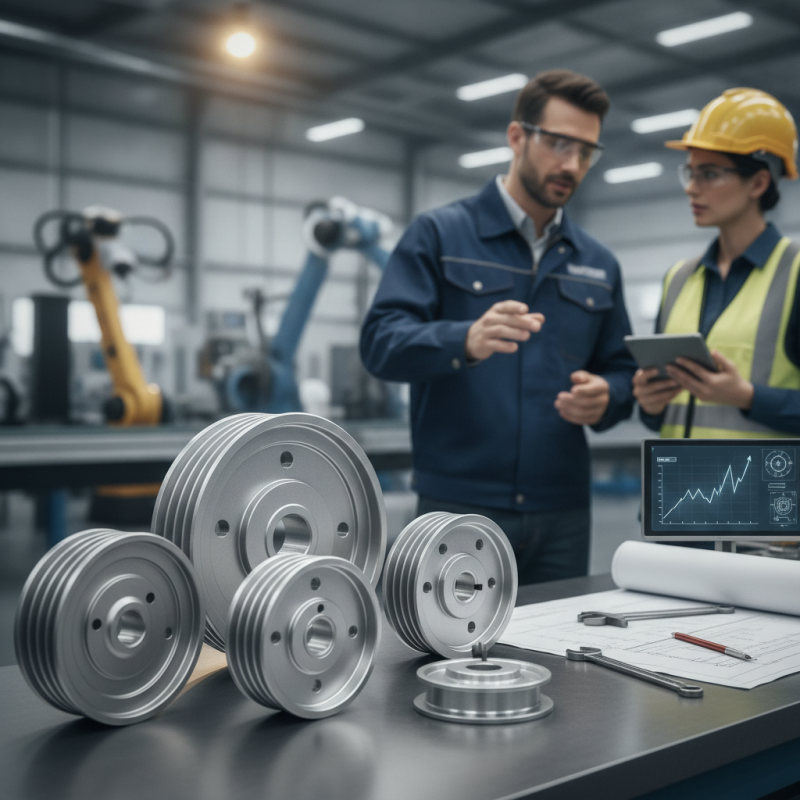
Aluminum pulleys have gained recognition in various industrial applications for their unique benefits. According to industry reports, they offer a strength-to-weight ratio that surpasses many alternatives, such as steel. This means lighter equipment and less strain on machinery, leading to improved efficiency. In many cases, aluminum pulleys can reduce overall system weight by up to 30%. This reduction can significantly impact transportation and handling costs.
Durability is another crucial attribute of aluminum pulleys. They resist corrosion and wear better than many other materials. Industry studies indicate that aluminum can last two to three times longer than traditional materials in certain environments, especially where moisture and chemicals are present. This durability minimizes downtime and replacement costs, providing a more reliable solution over time. However, it's important to consider that while aluminum offers many advantages, not all situations may call for it. Specific applications might still require stronger materials for extreme loads.
Additionally, the manufacturing process of aluminum pulleys allows for versatility in design. They can be produced in various sizes and configurations, catering to specific operational needs. This adaptability can enhance system performance but also requires careful planning to avoid inefficiencies. The integration of aluminum in pulley systems represents a step forward, yet it demands critical assessment in the selection process.
Aluminum pulleys have gained popularity in industrial applications for several reasons. With a tensile strength of around 70,000 psi, aluminum outperforms materials like plastic and steel in many contexts. This strength ensures that aluminum pulleys can support heavy loads without deformation. In fact, industry studies show that aluminum components can reduce weight by up to 50% compared to steel. This significant reduction leads to increased efficiencies in machinery.
Durability is another key advantage. Aluminum is resistant to corrosion, making it ideal for environments exposed to moisture or chemicals. Research indicates that aluminum can last up to twice as long as steel in adverse conditions. Although the initial cost may be higher, the longevity of aluminum equates to lower replacement expenses. However, one area of concern is that aluminum pulleys can weaken under extreme heat. This limitation requires careful consideration in high-temperature settings.
Furthermore, the recycling potential of aluminum cannot be overlooked. Approximately 75% of all aluminum ever produced is still in use today, highlighting its sustainability. Yet, it's essential to evaluate the specific requirements of your application before choosing aluminum. There are situations where traditional materials may still be the better option. Balancing performance and cost is crucial for making informed decisions in industrial setups.
Aluminum pulleys are favored in industrial settings for their lightweight characteristics. This feature directly impacts efficiency, as lighter pulleys reduce the overall load on machinery. Consequently, equipment can operate at higher speeds and with less wear and tear. The result is an increase in productivity and operational lifespan.
When considering aluminum pulleys, think about the design. Opt for pulleys with adequate weight distribution. This ensures that they will perform well under varying loads. Also, be mindful of the environmental conditions. While aluminum is durable, it can be susceptible to corrosion in harsh settings. Regular maintenance is crucial to prolong their life.
Tips: Keep an eye on fasteners and fittings. Even minor neglect can lead to significant failures. Ensure proper alignment of pulleys to minimize friction. Small adjustments can lead to smoother operations. Take the time to choose the right size and specification for your needs. A thoughtful approach saves time and resources in the long run.
This chart compares the weight of different pulley materials, highlighting the lightweight characteristic of aluminum pulleys, which makes them an efficient choice for various industrial applications.
Aluminum pulleys are increasingly favored in industrial applications due to their impressive corrosion resistance. In many environments, including coastal and chemical areas, aluminum shows a significant advantage over steel. A study by the Aluminum Association reports that aluminum's ability to form a protective oxide layer enhances its durability. This layer can resist various corrosive elements, making aluminum pulleys last longer under harsh conditions.
In a controlled test, aluminum pulleys exposed to salt spray for 48 hours demonstrated less than 5% corrosion. In comparison, steel pulleys suffered over 20% corrosion during the same time frame. This stark difference underscores aluminum's reliability in corrosive settings. Industries like marine, food processing, and pharmaceuticals benefit greatly from using aluminum pulleys. These sectors often require components that remain operational in moist or corrosive atmospheres.
Choosing aluminum pulleys might seem straightforward, yet some engineers express caution. They note that improper installation can still lead to wear in extreme conditions. Also, while aluminum is lightweight, ensuring the right specifications for load-bearing is critical. Balancing these factors can enhance the life span of pulleys in demanding environments.
When considering materials for industrial pulleys, aluminum stands out as a cost-effective choice for long-term use. Reports indicate that aluminum offers a significant reduction in weight compared to steel. This weight advantage can lead to lower energy consumption in machinery. In fact, a study by the Industrial Materials Institute found that switching to aluminum can reduce the overall energy costs by up to 15% over five years.
The cost-effectiveness of aluminum pulleys is not limited to initial investment but extends into longevity and maintenance. Aluminum is resistant to corrosion, which reduces the need for frequent replacements. The National Association of Manufacturers reported that maintenance costs can be reduced by approximately 30% when using aluminum pulleys instead of traditional materials. This statistic proves crucial for industries looking to improve their bottom line while minimizing downtime.
However, there are considerations. Aluminum is softer than steel, which means it may not be suitable for all applications. Heavy-duty operations might require additional assessments to verify compatibility. Reflecting on these factors is essential; while the benefits are clear, the limitations must be weighed carefully. This balanced approach fosters informed decisions in selecting the right materials for specific industrial contexts.
: Aluminum pulleys are lightweight and strong. Their tensile strength is around 70,000 psi. They support heavy loads effectively without deforming.
Aluminum can reduce weight by up to 50% compared to steel. This reduction enhances machinery efficiency significantly.
Aluminum resists corrosion, thus lasting longer in moist or chemical-rich environments. It can last twice as long as steel.
Yes, aluminum pulleys can weaken under extreme heat. This aspect requires careful evaluation in high-temperature applications.
About 75% of all aluminum ever produced is still in use. This highlights the sustainability of aluminum components.
Yes, regular maintenance is crucial. Neglect can lead to failures, and proper alignment minimizes friction for smoother operations.
Selecting pulleys with adequate weight distribution is essential. It ensures optimal performance under varying loads.
Monitor fasteners and fittings closely. Even minor neglect can cause significant failures in the long run.
While the initial cost may be higher, longevity reduces replacement expenses. Consider the balance between performance and cost.
Aluminum pulleys are becoming an increasingly popular choice in industrial applications due to their numerous advantages. Their durability and strength allow them to outperform traditional materials, ensuring reliable performance in demanding environments. Additionally, aluminum's lightweight characteristics enhance operational efficiency by reducing energy consumption during machinery operation.
Another significant benefit of aluminum pulleys is their excellent corrosion resistance, making them suitable for various environments, including those with high humidity or exposure to chemicals. This quality ensures a longer lifespan, contributing to the cost-effectiveness of aluminum pulleys for long-term use. Overall, opting for aluminum pulleys can lead to improved performance, efficiency, and savings over time, solidifying their role as an essential element in modern industrial applications.
