
Huishi
The demand for PU conveyor belts has surged, driven by their versatility and durability across various industries. According to a market research report by Grand View Research, the global conveyor belt market was valued at approximately $4.5 billion in 2020, with significant annual growth projected through 2028. PU conveyor belts are a vital component in sectors like food processing, pharmaceuticals, and logistics, where hygiene and precision are paramount.
These belts offer numerous advantages, including resistance to abrasion, oils, and extreme temperatures. Their lightweight nature enhances energy efficiency, making them increasingly popular among manufacturers. However, buyers often face challenges in selecting the right options. A thorough understanding of material specifications and performance characteristics is essential for making informed decisions.
Despite the impressive growth, some suppliers may lack transparency regarding quality and sourcing practices. It's crucial to collaborate with reputable manufacturers. Potential buyers should conduct comprehensive evaluations of suppliers. Reviewing technical specifications and performance data can reveal each option's true potential. Balancing quality and cost is essential for maximizing long-term efficiency and effectiveness.
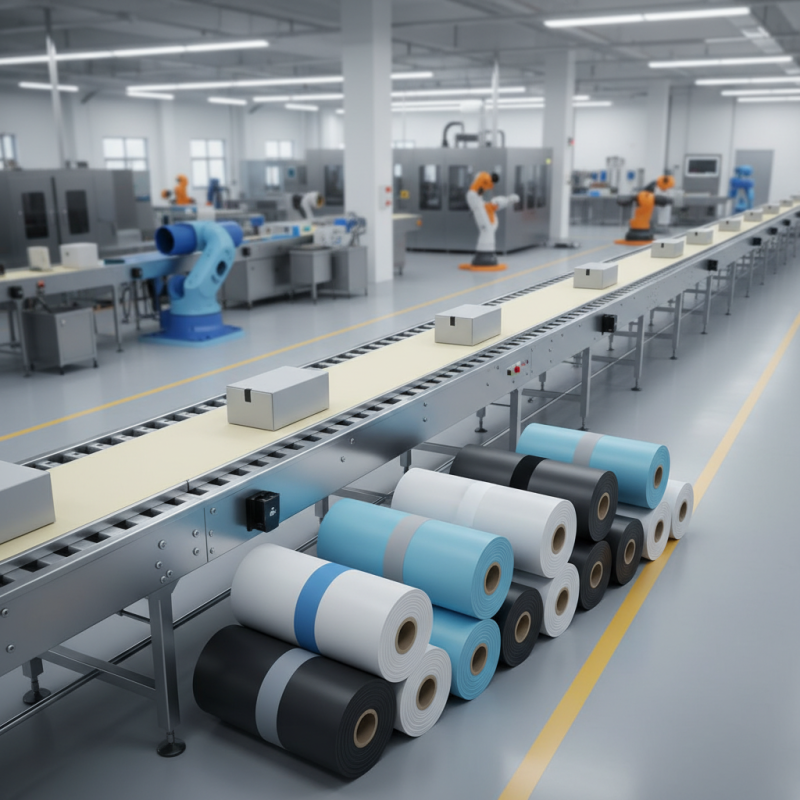
PU conveyor belts have become essential in various industries due to their durability and versatility. Made from polyurethane, these belts offer excellent resistance to abrasion, oil, and chemicals. According to a recent market analysis, the demand for PU conveyor belts is projected to grow by 5% annually over the next five years. This growth is driven by their increasing application in food processing, logistics, and manufacturing.
In food manufacturing, PU conveyor belts are preferred due to their compliance with health and safety standards. They prevent contamination, ensuring that products remain safe for consumption. In logistics, these belts facilitate the smooth transport of materials, reducing downtime and improving efficiency. However, some industries still overlook the importance of regularly checking belt wear and tear. Neglecting maintenance can lead to costly downtime.
Tips: Regular inspection of PU conveyor belts can prevent unexpected breakdowns. When replacing belts, choose the right thickness and hardness to suit the specific application. Additionally, employee training can significantly improve the handling and maintenance of these essential tools. Prioritizing these factors ensures optimal performance and longevity of the conveyor systems.
When selecting PU conveyor belts, several factors should guide your decision. The material’s thickness affects its durability. Thicker belts typically endure more wear, making them suitable for heavy loads. However, not all applications require heavy-duty options. Evaluate your operational needs carefully.
Surface texture also plays a vital role. Smooth surfaces reduce friction, benefiting speed. Conversely, textured belts offer grip for inclined or inclined applications. Consider the specific materials you will transport. Different substances may require distinct surface characteristics for optimal performance.
Compatibility with existing machinery is crucial. A belt that fits poorly can lead to inefficiencies. Measure dimensions accurately before purchasing. Also, think about maintenance requirements. Some PU belts may need special care or cleaning methods. This can affect long-term reliability and operating costs. Making informed choices regarding these factors is key to achieving effective conveyor system performance.
| Belt Type | Thickness | Width | Temperature Resistance | Load Capacity | Applications |
|---|---|---|---|---|---|
| Lightweight PU Belt | 2mm | 300mm | -10°C to 50°C | 100 kg/m² | Food Processing |
| Heavy-duty PU Belt | 5mm | 500mm | -20°C to 60°C | 300 kg/m² | Mining |
| Antistatic PU Belt | 3mm | 400mm | -10°C to 45°C | 200 kg/m² | Electronics |
| Oil-resistant PU Belt | 4mm | 600mm | -10°C to 70°C | 250 kg/m² | Automotive |
| FDA Approved PU Belt | 2.5mm | 450mm | -5°C to 45°C | 150 kg/m² | Bakery |
When exploring the landscape of PU conveyor belt manufacturers, it's essential to consider various factors. These include quality, service, and innovation. Global buyers prioritize companies that specialize in durable materials. A reliable manufacturer often demonstrates years of experience and expertise in the field. They typically invest in research and development, leading to advancements that enhance the product's performance.
Many manufacturers produce a wide range of options, including custom designs. Some focus on food-grade standards, while others cater to heavy industrial applications. Buyers should scrutinize the production processes to ensure compliance with safety standards. It's crucial to engage with manufacturers who provide detailed specifications and certifications. A transparent partnership fosters trust.
However, not all companies maintain consistent quality. Some businesses may struggle with production delays or issues with customer service. This inconsistency can lead to challenges for buyers relying on timely deliveries. Prospective customers should seek out testimonials and case studies to gain insights into a manufacturer's reliability. The path to finding a suitable PU conveyor belt provider often requires careful consideration and reflection.
When exploring PU conveyor belt materials, it's essential to consider their unique properties. Polyurethane (PU) is known for its durability and flexibility. It can withstand various temperatures and is resistant to abrasions. This makes PU belts a popular choice in industries like food processing, packaging, and pharmaceuticals. The material’s lightweight nature contributes to energy savings and easier handling.
The comparative analysis of PU materials reveals some nuances. For instance, varying hardness levels influence the belt's traction and wear resistance. Softer belts may be ideal for products requiring gentle handling, while harder options excel in heavy-duty applications. Understanding these differences helps businesses choose the right belt for their specific needs. However, not all manufacturers provide detailed material specifications. This lack of transparency can lead to challenges when selecting a suitable belt, emphasizing the need for thoughtful procurement practices.
Additionally, while PU belts offer many benefits, they may not be the best option for all scenarios. Certain chemicals can degrade PU materials over time. This potential limitation must be weighed against the many advantages of using PU belts. Addressing these factors ensures that buyers make informed decisions that enhance productivity and efficiency in their operations.
PU conveyor belts play a crucial role in various industries, from food processing to packaging. Their longevity largely depends on proper maintenance. A 2022 industry report indicates that well-maintained PU belts can last 30% longer than those not regularly serviced. This highlights the need for a robust maintenance plan to ensure optimal performance.
Regular cleaning is vital. Accumulated debris can lead to wear and tear, ultimately decreasing efficiency. Using a soft brush and mild detergents can help keep the belts in excellent condition.
Inspecting for damages, such as cracks or fraying, should be a routine process. Addressing minor issues early can prevent costly replacements later on.
Monitoring operating conditions is also essential. High temperatures and humidity can affect the integrity of PU materials. Factoring in these conditions allows for timely adjustments. An ineffective maintenance approach can lead to unplanned downtimes. Failure to maintain standards may result in operational inefficiencies. Ensuring consistency in maintenance practices can yield significant operational advantages.
: PU conveyor belts offer durability, flexibility, and excellent resistance to abrasion, oil, and chemicals.
They comply with health and safety standards, preventing contamination and ensuring product safety.
Regular inspection helps prevent unexpected breakdowns. Choose the right thickness and hardness for specific applications.
Consider quality, service, and innovation. Look for manufacturers with a track record of experience and expertise.
Not all companies maintain consistent quality. Some may face production delays or poor customer service.
Softer belts are suitable for gentle handling, while harder belts are better for heavy-duty applications.
No, they may not be suitable for scenarios involving certain chemicals that can degrade PU materials.
Neglecting maintenance and failing to inspect belt wear and tear can result in unexpected breakdowns.
Detailed specifications and certifications build trust. Lack of transparency can complicate the selection process.
Review testimonials and case studies to assess the reliability of the manufacturer. Reflecting on this can avoid regrets later.
PU conveyor belts are versatile and widely used in various industries due to their durability and adaptability to different applications. When selecting a PU conveyor belt, key factors such as material composition, cost-effectiveness, and specific application needs should be considered to ensure optimal performance.
Additionally, understanding the properties of different PU conveyor belt materials provides insight into their suitability for varying environments. Regular maintenance practices are essential for prolonging the lifespan of these belts, ensuring they operate efficiently while reducing downtimes. This comprehensive overview serves as a valuable guide for global buyers seeking the best options in PU conveyor belts to meet their industrial requirements.
