
Huishi
When it comes to machinery and transportation, the choice of Flat Rubber Drive Belts is crucial. These belts play an essential role in ensuring smooth operations. They deliver power efficiently, making them vital for many applications.
Flat Rubber Drive Belts are designed to withstand various conditions. Their flexibility and strength make them suitable for different machines. Engineered for reliability, these belts can handle heavy loads without slipping. However, not all belts perform the same. Users often face challenges in selecting the right type.
Many factors come into play when assessing quality. Material composition, design, and brand reputation matter significantly. While some belts may appear cost-effective, they may lack durability. It's essential to weigh these aspects carefully before purchasing. Investing in the right Flat Rubber Drive Belts can lead to long-term benefits. A small mistake might result in performance issues or costly repairs. Make informed choices to ensure reliable performance in all operations.
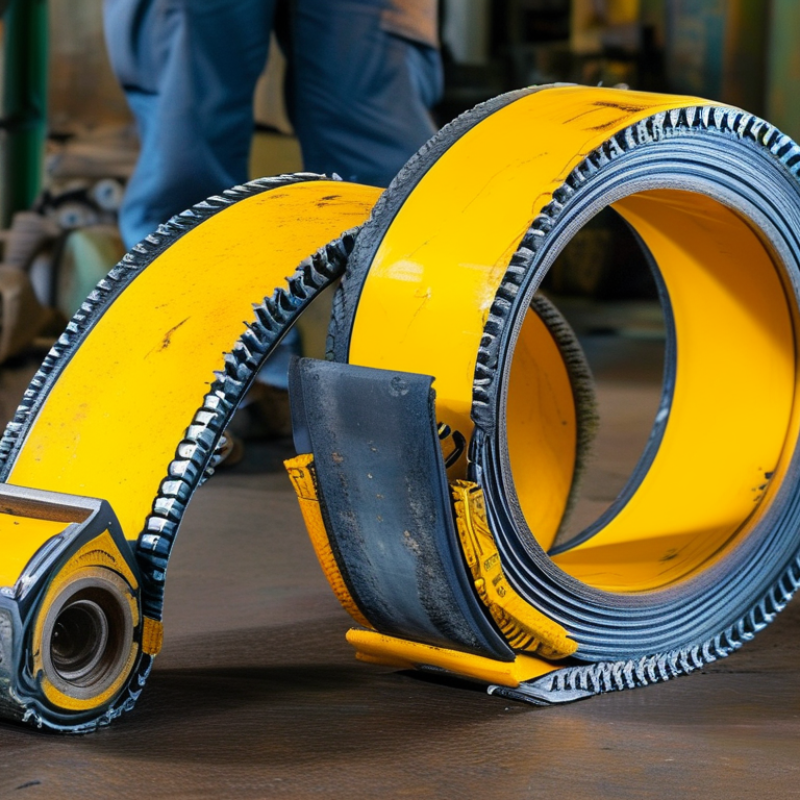
When considering flat rubber drive belts, it’s essential to understand their types and materials. Flat rubber belts come in various forms, including endless, banded, and reinforced styles. Each type is designed for specific uses, affecting performance and longevity. Endless belts tend to provide smooth operation, while banded options offer more strength for high-load applications.
The materials used in these belts also play a crucial role. High-quality rubber, for instance, ensures flexibility and resistance to wear. Some belts may incorporate synthetic fibers, which can enhance durability and tension retention. However, not all materials perform equally under different conditions. For example, belts used in extreme temperatures might degrade faster than anticipated. It’s vital to choose the right combination of material and design for your specific needs.
Investing time in understanding these details can yield better operational efficiency. Yet, many overlook the importance of regular maintenance. A belt that appears to function well today might develop issues tomorrow. Checking for wear and proper tension can prevent costly breakdowns down the line. Consideration of these factors can lead to more reliable performance and increased lifespan of your equipment.
When selecting flat rubber drive belts, several key factors can significantly influence their performance. Material composition is crucial. High-quality rubber provides durability and flexibility. It impacts not only lifespan but also the ability to withstand varying temperatures. Cheaper materials may seem appealing, but they often lead to frequent replacements.
Another factor is the design of the belt itself. Proper thickness ensures effective power transmission. A belt that is too thin may wear out quickly, while an overly thick belt can lead to increased friction. Additionally, the surface texture can affect grip. A smooth surface may slip, while a textured one helps maintain traction.
Installation and maintenance play a vital role as well. Improperly aligned belts can lead to premature wear. Regular checks for signs of damage enhance reliability. Users should also consider environmental factors, as extreme conditions can affect belt performance. Understanding these factors is essential for achieving optimal performance from flat rubber drive belts.
| Category | Material Quality | Temperature Resistance | Width (mm) | Length (m) | Load Capacity (kg) |
|---|---|---|---|---|---|
| Industrial Applications | High-grade rubber | -30°C to 80°C | 50 | 5 | 100 |
| Automotive | Natural and synthetic blend | -20°C to 70°C | 40 | 3 | 80 |
| Home Appliances | Durable rubber | -10°C to 60°C | 30 | 2 | 50 |
| Agriculture | Synthetic elastomer | -15°C to 75°C | 60 | 4 | 120 |
| Textile Machinery | Non-abrasive compound | 0°C to 100°C | 25 | 6 | 90 |
When selecting flat rubber drive belts, durability is key for reliable performance. Different types of rubber belts vary significantly in their longevity and resistance to wear. For instance, belts made from high-grade synthetic rubber often outperform traditional materials. Their ability to withstand heat and friction makes them a suitable choice for heavy-duty applications.
Testing different rubber belts reveals important insights. Some belts may have a lower resistance to abrasion, leading to premature wear. In real-world settings, this can result in unexpected downtime. It is crucial to observe how each belt performs under specific conditions. Environmental factors like temperature and humidity can impact their durability as well. The best choice may not always be the most expensive one; often, mid-range belts offer satisfactory performance without breaking the bank.
Users often find that their experiences provide the best guidance. While reviews offer a glimpse into product performance, personal testing remains invaluable. Inconsistent feedback points to the fact that one belt may perform well in one application, but falter in another. This ongoing discussion and testing highlight the complexity of finding the most durable flat rubber drive belts.
When it comes to flat rubber drive belts, understanding industry standards is essential for reliability. Effective belt performance relies on materials and design. According to a recent study, belts crafted from high-quality rubber can reduce slippage by up to 30%. This reduction enhances efficiency and productivity across various applications.
Testing under controlled conditions reveals that the optimal thickness for flat belts is around 3 to 5 mm. This dimension balances flexibility and strength, minimizing wear over time. However, many users overlook the importance of regular maintenance. A lack of inspections can lead to premature failures, highlighting the need for an ongoing evaluation of belt condition.
Tips:
Regular testing and adherence to industry standards are key. Not all belts perform under extreme conditions, so understanding limitations is crucial. Monitoring belts can help identify when to replace them, ensuring continuous operation.
Flat rubber drive belts are essential in various applications due to their reliability and efficiency. Commonly found in industrial machinery, these belts help transfer power from motors to driven components. Their flat design allows for improved grip and reduced slippage. This feature is critical for systems requiring precise movement, such as conveyor belts or woodworking machinery.
In home appliances, flat rubber drive belts play a significant role, too. They power devices like washing machines and dryers, helping them operate smoothly. A worn-out belt can lead to appliance failure, causing inconvenience and costly repairs. Regular inspection of these belts is vital for maintaining performance.
Despite their durability, flat rubber drive belts can suffer from wear and tear over time. Factors like heat, dust, and improper tension can accelerate degradation. Users must be aware of these elements to ensure longevity. Identifying early signs of damage is crucial to prevent unexpected downtime. Frequent checks can enhance reliability and performance, avoiding costly disruptions.
: High-quality rubber is essential for durability and flexibility. Cheaper materials can lead to frequent replacements.
The thickness of the belt is crucial. Too thin belts wear out quickly, while overly thick ones increase friction.
Proper alignment is vital. Misalignment can cause premature wear and reduce overall performance of the belt.
Extreme temperatures and humidity levels can negatively affect the lifespan and effectiveness of rubber belts.
Regular inspections prevent unexpected failures. Overlooking maintenance may result in premature wear or needed replacements.
The ideal thickness ranges from 3 to 5 mm, balancing strength and flexibility while minimizing wear.
Monitoring tension is crucial. Over-tensioning can damage belts, while under-tensioning can lead to slippage.
Regularly check alignment and tension to enhance performance and avoid uneven wear on the belts.
Not all belts perform well under harsh conditions. Knowing limitations is necessary for optimal function.
Continuous monitoring helps identify wear signs, prompting timely replacements and ensuring steady operation.
Flat Rubber Drive Belts are essential components in various machinery, providing reliable performance across multiple applications. This article explores the different types and materials used in flat rubber drive belts, emphasizing how these factors significantly influence their performance. Key considerations such as strength, flexibility, and resistance to wear are highlighted to help users select the most suitable belts for their needs.
Further, a comparative analysis of the durability of various flat rubber drive belts is provided, alongside industry standards and test data that demonstrate optimal belt performance. By understanding these elements, users can make informed decisions about the best flat rubber drive belts for their specific requirements, ensuring longevity and reliability in their operations.
