
Huishi
The PVC Belt Conveyor has become a vital asset for many industries worldwide. Its efficiency and adaptability make it an attractive choice for global buyers. This type of conveyor system effectively handles diverse materials, enhancing productivity while reducing manual labor costs. Buyers are increasingly recognizing its benefits in various sectors, including manufacturing, agriculture, and packaging.
Utilizing a PVC Belt Conveyor ensures durability in demanding environments. The belt's resistance to wear and tear maximizes operational time and minimizes maintenance. Users have noted significant improvements in production cycles and overall workflow. However, it's essential to consider the initial investment and installation challenges, as these factors can impact the overall return on investment.
As industry needs evolve, the PVC Belt Conveyor offers flexibility through customizations. Companies can tailor the conveyor to suit specific applications, making it a versatile tool in their operations. This adaptability adds to its long-term value, though buyers must stay informed about technological advancements. Understanding these benefits is crucial for making educated purchasing decisions.
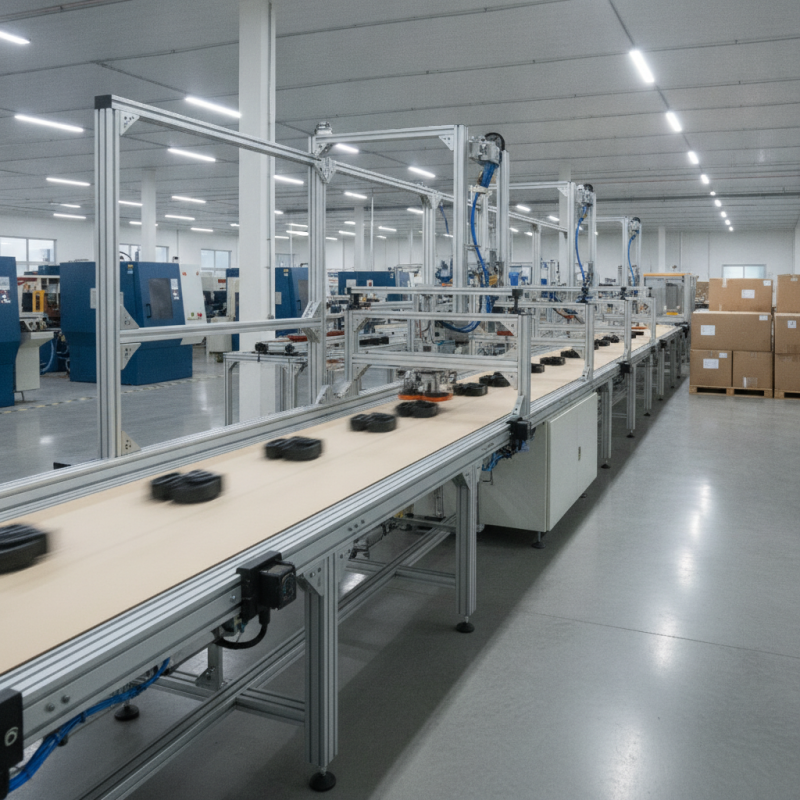
PVC belt conveyors have become integral in various industries, including food processing, packaging, and manufacturing. The material's durability and flexibility make it an ideal choice for transporting goods. According to a recent industry report, the global market for belt conveyors is projected to grow at a CAGR of 4.2% from 2023 to 2028. This growth highlights the increasing demand for efficient material handling solutions.
In food processing, PVC belts comply with hygiene standards. They are resistant to water and oils, ensuring food safety. In packaging, their smooth surface allows for easy movement of products without damage. The automotive industry also benefits from PVC belt conveyors, using them to streamline assembly lines. However, some users report issues with belt slippage or misalignment, which can disrupt operations.
**Tip: Regular maintenance is crucial. Inspect belts for wear and ensure proper tension.** This can prevent unexpected breakdowns. Operators should also consider environmental factors impacting conveyor performance.
The versatility of PVC belts makes them suitable for diverse applications. They can be customized in size and thickness, catering to specific operational demands. However, finding the right configuration can be challenging. It is important for buyers to consult experts to avoid costly mistakes.
**Tip: Seek advice from industry professionals when choosing conveyor specifications.** This can help in selecting a solution that enhances efficiency and minimizes issues.
PVC belt conveyors offer several advantages for material handling in various industries. Their lightweight and flexible design ensures easy maneuverability. This characteristic helps fit into tight spaces and allows for quick adjustments. Moreover, PVC materials resist wear and tear, enhancing the conveyor's lifespan and decreasing maintenance costs.
Tips: Regularly inspect the belts for cuts or abnormalities. This can prevent unexpected downtime. Additionally, ensure proper alignment to maximize efficiency.
Another significant benefit is their resistance to chemicals and moisture. This feature makes PVC conveyors ideal for food processing and pharmaceuticals. They maintain hygiene standards, which is crucial in these sectors. However, it’s essential to evaluate the specific environment. Extreme temperatures might affect the conveyor’s performance.
Tips: Consider the operating environment when selecting a conveyor. Matching materials to conditions can mitigate potential issues. Proper training can also empower staff to handle equipment efficiently.
The cost-effectiveness of PVC belt conveyors is appealing to global buyers. These conveyors are designed for various industries, including manufacturing and logistics. Their affordability reduces operational costs significantly. According to industry reports, PVC belt conveyors can be 20-30% cheaper to maintain than traditional conveyor systems.
In addition to lower maintenance costs, PVC belts offer durability. They can last longer under continuous use, minimizing replacement frequency. This durability translates to additional savings. A study from the International Journal of Industrial Engineering illustrates that switching to PVC can lead to up to 15% savings in long-term operational expenses.
Despite their advantages, some may overlook potential limitations of PVC belts. These conveyors may not perform as well in extreme temperatures or heavy loads. Buyers should carefully assess their specific needs when considering these systems. Balancing cost and functionality is essential to selecting the right conveyor for any industry.
PVC belt conveyors have gained popularity due to their durability and low maintenance requirements. These conveyors are designed to withstand harsh conditions. The material is resistant to moisture and many chemicals. This feature makes them suitable for various industries, including food processing and packaging. Over time, this durability can lead to lower operational costs.
Maintenance of PVC belt conveyors is straightforward. Regular inspections can help identify minor issues before they escalate. Cleaning is easy, requiring only simple soap and water solutions. However, some users overlook these simple maintenance routines. Neglect can lead to premature wear or unexpected failures. Users should be aware of the signs of wear, like fraying or cracking, to maximize conveyor lifespan.
Another factor to consider is the conveyor’s design. A well-designed conveyor system minimizes stress on the belt. This increases overall efficiency and longevity. Assessing load capacities is crucial when choosing a PVC conveyor system. It is essential to balance load distribution to prevent undue strain. Buyers should carefully evaluate their specific needs before making a selection.
PVC belt conveyors are rapidly gaining popularity across various industries. Their versatility makes them suitable for diverse market sectors such as food processing, logistics, and manufacturing. In food processing, they ensure safe and hygienic transport of products. The smooth surface of PVC belts is easy to clean, reducing the risk of contamination.
In logistics, these conveyors efficiently transport goods. Their strength accommodates heavy loads, while customizable lengths suit different warehouse layouts. They play a crucial role in automating processes, which boosts productivity. However, adjustments might be necessary for specific applications to optimize performance.
Manufacturing industries benefit from PVC belt conveyors as well. These systems support rapid assembly line movements. But there may be challenges in integrating them with existing equipment. Regular maintenance is essential to avoid breakdowns. Users should also evaluate the right belt specifications for their unique requirements. Balancing cost with efficiency is key.
| Market Sector | Applications | Benefits |
|---|---|---|
| Food Industry | Transporting packaged food items | Easy to clean, resistant to moisture |
| Automotive | Conveying car parts | Durable, low maintenance |
| Pharmaceutical | Handling medication packaging | Non-toxic, chemical resistant |
| Logistics | Parcel sorting and transportation | High efficiency, versatile design |
| Mining | Transporting minerals and ores | High load capacity, robust construction |
: PVC belt conveyors offer cost-effectiveness, durability, and low maintenance. They can significantly reduce operational costs.
PVC belt conveyors can be 20-30% cheaper to maintain. This can lead to noticeable savings for businesses over time.
These conveyors resist moisture and many chemicals, making them last longer under continuous use.
Regular inspections and simple cleaning with soap and water can extend the lifespan of PVC belts significantly.
Neglecting maintenance may lead to issues like fraying or cracking, resulting in unexpected failures.
Yes, they may not perform well in extreme temperatures or heavy loads. Users must assess their specific requirements.
Proper design and balanced load distribution are key. Undue strain should be avoided to maintain efficiency.
Switching can lead to up to 15% savings in long-term costs, making it an appealing option for many businesses.
Ensuring the right load capacity prevents undue strain on the conveyor, which affects durability and performance.
A well-designed conveyor minimizes stress on the belt, enhancing both efficiency and longevity of the system.
PVC Belt Conveyors have become a vital component across various industries due to their effectiveness in material handling. These conveyor systems offer numerous advantages, including enhanced efficiency and reliability, making them preferred choices for global buyers. Their cost-effectiveness is notable, as they reduce operational costs while providing long-lasting performance. Additionally, PVC Belt Conveyors require minimal maintenance, further emphasizing their durability.
The versatility of PVC Belt Conveyors allows them to be utilized in diverse market sectors, from manufacturing to logistics. Their ability to handle a wide range of materials makes them suitable for different applications, ensuring that businesses can optimize their operations. Overall, the advantages of PVC Belt Conveyors establish them as a crucial asset for any industry aiming for improved productivity and sustainability.
